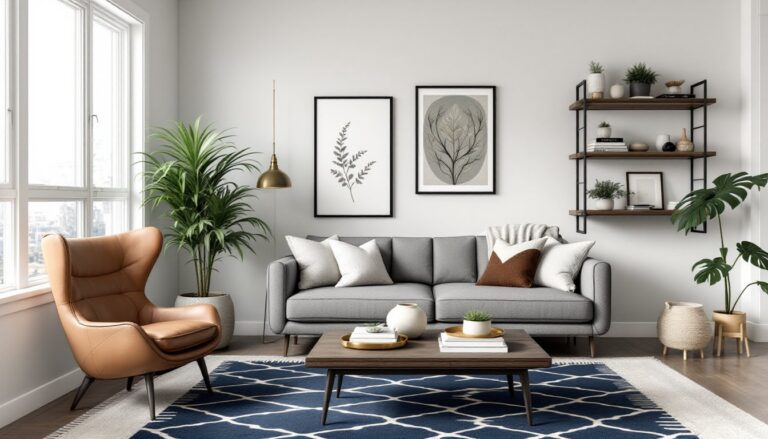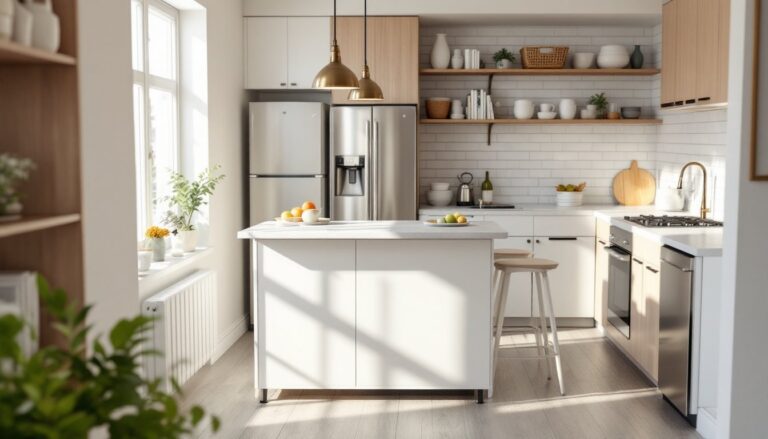
Most homeowners don’t realize that the spaces they live in are shaped by centuries of design principles, color theory, and psychology. Interior design isn’t just about picking paint colors or arranging furniture, it’s a blend of science, history, and practical problem-solving that directly affects how you feel in your home. Whether you’re planning a kitchen remodel, refreshing a bedroom, or simply curious about what makes certain spaces feel right, understanding these interior design facts will give you the confidence to make smarter choices. Let’s jump into 15 fascinating insights that reveal how design actually works.
Table of Contents
ToggleKey Takeaways
- Interior design facts reveal that colors trigger real emotional responses—blues and greens calm the nervous system for bedrooms, while warm colors stimulate energy in kitchens and dining areas.
- Layered lighting combining ambient, task, and accent light sources creates depth and visual interest far more effectively than relying solely on overhead fixtures.
- Spatial planning follows mathematical rules like the golden ratio and the rule of thirds, ensuring furniture placement and room proportions create visual harmony and comfortable traffic flow.
- Minimalism reduces cognitive load and decision fatigue for focus and rest, while maximalism stimulates the brain with pattern and color—choose based on your space’s purpose and personality.
- Material selection should prioritize durability and maintenance for your lifestyle, not just appearance, since the right material choice ensures long-term functionality and cost-effectiveness.
- Interior design principles trace back centuries through movements like Art Deco and Scandinavian design, proving that understanding historical context helps you apply timeless design rules confidently to modern spaces.
Color Psychology Powers Your Design Choices
The colors you choose for your walls, furniture, and accents aren’t random, they trigger real emotional and physiological responses. Blues and greens calm the nervous system, making them ideal for bedrooms and bathrooms. Warm colors like reds, oranges, and yellows stimulate energy and appetite, which is why they work so well in kitchens and dining areas. Neutral tones like beige, gray, and taupe create balance and flexibility, allowing other design elements to shine.
Professional designers use color psychology intentionally. A pale blue bedroom promotes better sleep, while a warm terracotta accent wall in a living room encourages conversation and connection. The intensity and saturation of color also matter, a muted sage green feels different from a bright lime green, even though both are green. When planning interior design ideas, consider not just what you like, but how each color makes you feel and function in that space.
Lighting Design Is More Important Than You Think
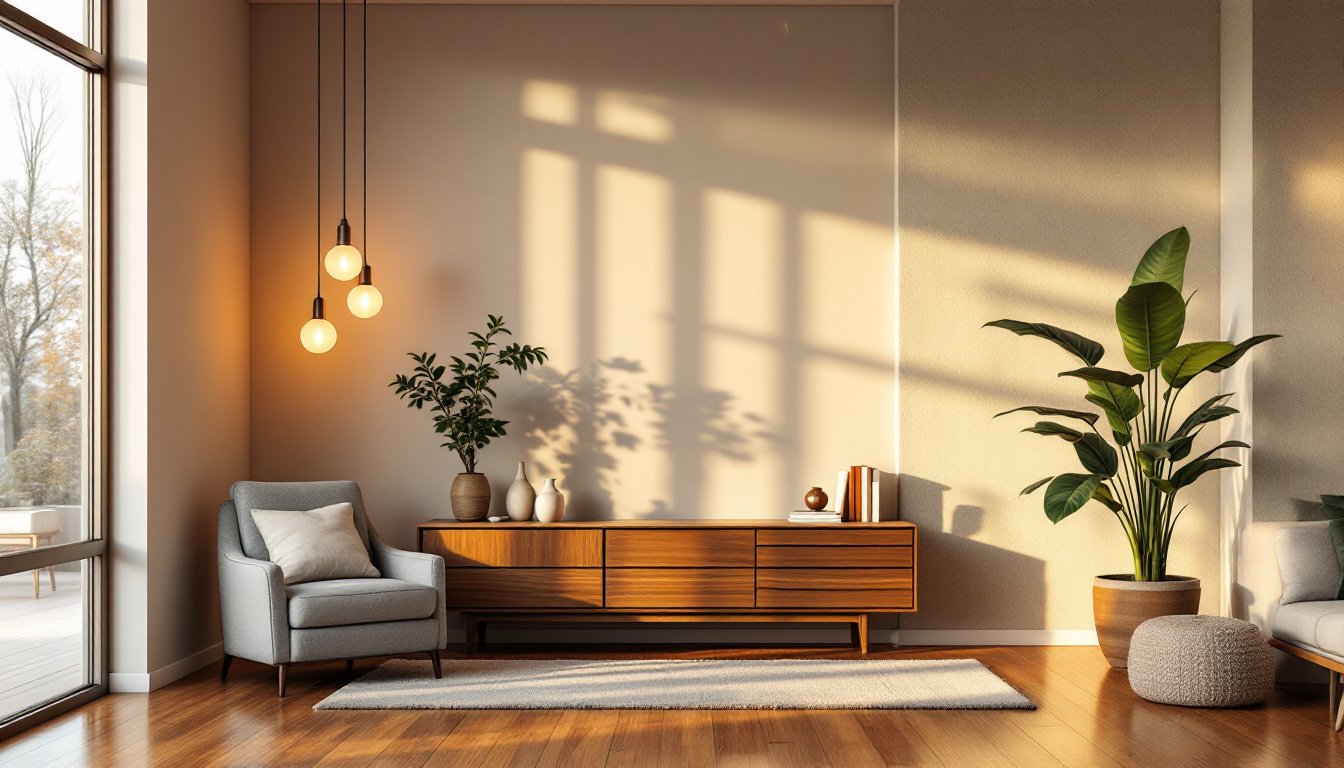
Lighting is one of the most underestimated elements of interior design, yet it can completely transform a room. The right lighting can make a small space feel larger, highlight architectural features, and set the mood for any activity. There are three main types: ambient (general overhead light), task (focused light for specific activities like reading), and accent (highlight lighting for artwork or features). Most homes rely too heavily on overhead fixtures alone, which creates harsh shadows and flat spaces.
Layered lighting, combining multiple light sources at different heights and intensities, creates depth and visual interest. For example, a home office interior design benefits from bright task lighting over the desk, softer ambient light, and perhaps a table lamp for accent. Natural light also plays a crucial role. East-facing windows provide energizing morning light, while north-facing windows offer consistent, flattering illumination without harsh shadows. The color temperature of bulbs matters too: warmer tones (2700K) feel cozy: cooler tones (4000K+) feel crisp and alert.
The History of Interior Design Reveals Timeless Principles
Interior design as a profession emerged in the early 1900s, but principles of good design trace back centuries. Victorian design emphasized ornament and luxury: mid-century modern stripped things down to essential forms: postmodern design celebrated eclecticism and playfulness. Understanding these movements helps explain why certain combinations work. The rule of thirds, balance, proportion, and symmetry aren’t new inventions, they’re principles that have guided builders, architects, and designers for generations.
Research shows that 10 surprising facts about interior design history reveal how cultural values and technological innovation shaped the spaces we live in. Art deco brought geometric precision: industrial design celebrated raw materials: Scandinavian design merged minimalism with warmth. When you decorate your modern home interior design, you’re drawing from this rich heritage. Knowing why a principle works helps you apply it confidently to your own projects.
Spatial Planning Follows Mathematical Rules
Good spatial planning isn’t guesswork, it follows proportional rules that create visual harmony. The golden ratio (1:1.618), used by architects and designers for millennia, appears everywhere in nature and translates beautifully to interior spaces. Dividing a room using thirds rather than halves creates more dynamic, interesting layouts. Furniture placement should allow for clear sightlines and comfortable traffic flow, typically requiring at least 18 inches of walking space in hallways and around furniture.
Scale and proportion matter immensely. A massive sofa drowns a small living room: spindly furniture makes a large space feel empty. Designers use a simple rule: large pieces should take up about one-third of wall space. When planning a dining room interior design, the table should be positioned to allow at least 36 inches of space on all sides for comfortable seating and movement. The height of furniture relative to wall height also affects perception, taller furniture makes ceilings feel higher: grouped lower pieces create coziness. These aren’t arbitrary guidelines: they’re rooted in how humans perceive and navigate space.
Minimalism and Maximalism Have Scientific Roots
The debate between minimalism and maximalism isn’t just stylistic preference, it’s rooted in psychology and cognitive load. Minimalism reduces visual clutter and decision fatigue, making spaces feel calm and focused. This works well in bedrooms, bathrooms, and home offices where concentration or rest is the goal. Maximalism celebrates pattern, color, and layering, which stimulates the brain and creates energy. Interestingly, research shows that the “right” amount of visual stimulation varies by personality and activity.
Some people thrive in enriched, textured environments filled with art, books, and collections. Others feel overwhelmed and prefer open, streamlined spaces. Neither is wrong, it depends on your neurotype and what you do in the space. A living room interior design that entertains frequently might benefit from more visual interest, while a bedroom designed for sleep should lean minimalist. The key is intentionality: every object should serve either a functional or emotional purpose. Decorating “just because” creates clutter: thoughtful curation, whether minimal or maximal, creates harmony.
Material Choices Impact Your Home’s Functionality and Appeal
Materials aren’t just aesthetic choices, they determine durability, maintenance, safety, and how spaces actually perform. Hardwood floors are beautiful but require regular refinishing: laminate is budget-friendly but harder to repair. Natural stone countertops are stunning but porous and stain-prone: quartz is engineered for durability and low maintenance. Paint finishes matter too: flat paint hides imperfections but stains easily: satin and semi-gloss resist moisture and are easier to clean, making them ideal for kitchens and bathrooms.
Underlayment, backing materials, and substrate choices affect longevity and performance. Quality matters in places with heavy use or moisture exposure. When selecting materials for interior design photography-worthy spaces, consider not just appearance but cleaning, durability, and long-term cost. A $2-per-square-foot vinyl plank that lasts 10 years costs less than a $10-per-square-foot hardwood that needs refinishing every 5 years. Design success isn’t about expensive materials, it’s about choosing the right material for the job. Many stunning interiors combine investment pieces with budget-friendly finds, proving that thoughtful selection beats blank-check spending. Visiting design inspiration sites like Decoist shows how professionals mix materials strategically for both beauty and function.
Conclusion
These 15 interior design facts reveal that good design is equal parts science, history, and intentionality. Whether you’re tackling your first renovation or refreshing a tired space, understanding color psychology, spatial rules, and material performance gives you confidence to make decisions that work. The best spaces reflect both timeless principles and your personal needs. Start with one room, apply what you’ve learned, and watch how design transforms not just your home’s appearance but how you actually live in it.