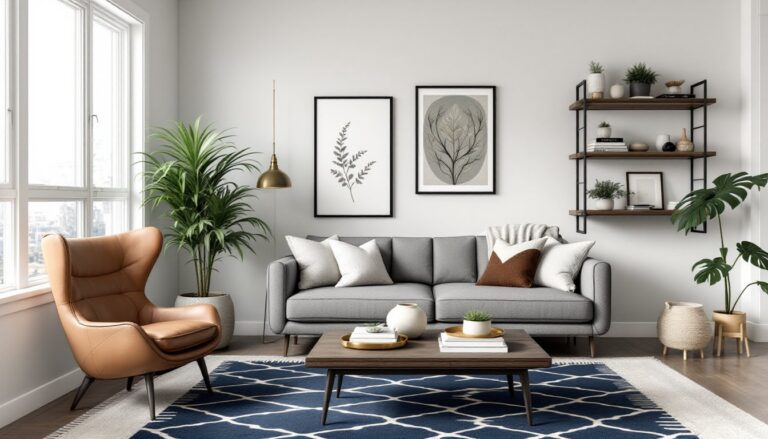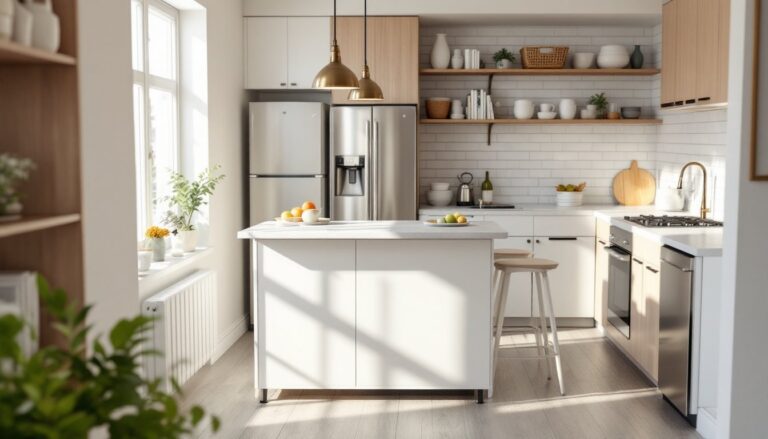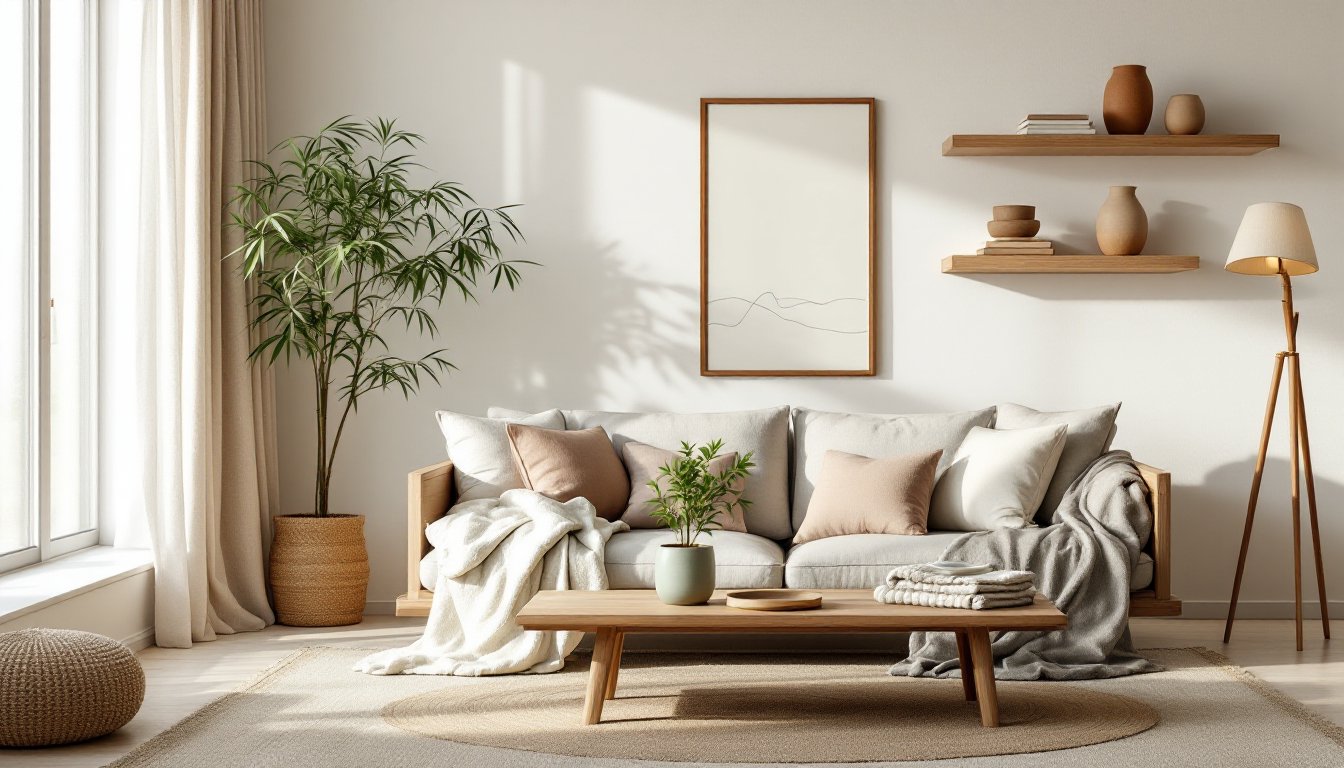
Japandi interior design has quietly become one of the most sought-after aesthetics for homeowners looking to escape visual clutter without sacrificing comfort. It’s the marriage of two design philosophies: the restrained elegance of Japanese minimalism and the functional coziness of Scandinavian design. If you’ve ever felt torn between wanting a serene, stripped-down space and one that actually feels livable and warm, Japandi hits that sweet spot. Unlike trend-driven styles that feel dated within a few years, this approach creates rooms that age gracefully and remain relevant. Whether you’re planning a full renovation or simply refreshing your existing décor, understanding how to layer these principles will help you build a home that feels both intentional and inviting.
Table of Contents
ToggleKey Takeaways
- Japandi interior design combines Japanese minimalism with Scandinavian coziness to create spaces that feel serene yet livable, hitting the sweet spot between intentionality and comfort.
- The core principle of less is more means every piece of furniture and décor must serve a purpose or spark joy—eliminate visual noise so remaining items gain presence.
- Natural materials like wood, linen, wool, stone, and leather are essential to Japandi style and develop character over time through visible patina rather than looking worn-out.
- Start your Japandi journey by testing principles in a single room, choosing a restricted neutral color palette, and sourcing one statement furniture piece to anchor the space.
- Edit accessories ruthlessly and hide non-essential storage behind closed doors or baskets—open shelving should display only curated items that contribute to the calm aesthetic.
- Use warm-toned lighting, strategic plant placement, and asymmetrical arrangement to add life and softness to your Japandi space without introducing clutter or visual chaos.
What Is Japandi Style?
Japandi blends the zen quietness of Japanese design with Scandinavian practicality and warmth. Japanese interiors emphasize emptiness as a design element, negative space breathes life into a room. Scandinavian design, by contrast, focuses on making functional spaces beautiful and livable, often through natural light, soft textures, and understated elegance. When combined, they create an aesthetic that’s minimal without feeling cold, and cozy without clutter.
The term “Japandi” itself is relatively new, but the fusion makes intuitive sense. Both cultures value craftsmanship, respect materials for what they are, and reject excess. A Japandi room typically features clean lines, a neutral color palette, and purposeful décor. You won’t find decorative items that don’t earn their place: every object contributes to the whole.
This style works across entire homes or single rooms, and it translates well to renters and owners alike since the core principles hinge on arrangement and finish rather than permanent structural changes. If you’re exploring modern home interior design, Japandi offers a grounded alternative to maximalist or heavily accessorized approaches.
Core Design Principles That Define Japandi
Minimalism and Simplicity
At Japandi’s heart is the principle that less is more. This doesn’t mean bare walls or an austere environment, it means intentionality. Every piece of furniture, every color choice, every texture should serve a purpose or spark joy. Visual noise is eliminated so the eye can rest.
Start by auditing what you own. If an item doesn’t function well or connect aesthetically to your vision, it goes. This isn’t cold or clinical: it’s liberating. With fewer items competing for attention, the remaining pieces gain presence. A single well-crafted wooden side table becomes a focal point rather than blending into a crowd of furniture. A small potted plant stands out against calm walls instead of getting lost among dozens of decorative pieces.
In practice, minimalism means choosing a restricted color palette, typically whites, grays, blacks, and warm naturals like beige or soft taupe. It means avoiding pattern overload: one patterned rug, perhaps one geometric throw, but not both in the same room. Open shelving displays only what you need and love, grouped thoughtfully. The goal is a space where nothing feels accidental.
Natural Materials and Textures
Where minimalism provides the skeleton, natural materials give Japandi its soul. Wood, stone, linen, wool, clay, and leather are the building blocks. These materials age visibly and beautifully, developing patina and character over time rather than looking worn-out.
Wood is non-negotiable. Light ash, pale oak, or warm walnut flooring (or light-toned wood area rugs if you rent) grounds a room. Furniture should showcase wood’s grain, exposed joinery, natural edges, and matte finishes beat glossy veneers. Scandinavian design brought the concept of “hygge,” that cozy tangibility, and Japandi inherits it through texture: chunky knit blankets, linen curtains that filter light diffusely, raw cotton cushions, and woven tatami or jute mats.
Stone and clay bring cool, earthy elements, think terracotta pots for plants, slate accents, or stone countertops. Leather appears in subtle ways: simple seating, small poufs, or minimal wall art. The idea is that you can feel the material’s origin. When you run your hand across a linen pillow or sit on a leather chair, it should feel honest, not synthetic.
Texture layering prevents a Japandi space from feeling flat. A smooth concrete wall pairs with a soft wool rug: a polished wooden table sits next to a woven storage basket. This textural variety engages the senses and makes the space feel nurtured rather than cold. Lighting becomes crucial here too, warm white bulbs (not harsh daylight) allow natural materials to glow and cast gentle shadows that add dimensionality. Consider exploring interior design ideas for your home to see how textures interact in practical room settings.
How to Incorporate Japandi Into Your Home
Start with one room. The best way to understand Japandi is to live with it. Choose a bedroom, home office, or bathroom, somewhere you spend quiet time. This lets you test principles before committing to an entire home.
Choose your base palette. Pick a dominant neutral (white, soft gray, warm beige) and a secondary one. Add one accent color if desired, a muted blue-green, warm ochre, or charcoal gray. This constraint trains the eye to focus on form and texture instead of color variety.
Source a statement furniture piece. Japandi values quality over quantity. Invest in one or two key items: a low-profile bed with a solid wood frame, a sculptural dining table, or a floating shelving system with clean lines. This piece anchors the room aesthetically and functionally. The rest of the furniture should be simpler, more utilitarian.
Bring in natural materials. Add wood flooring or a light wood finish to your largest furniture. Layer in a natural fiber rug, jute, sisal, or wool. Hang linen curtains or use simple wooden blinds. A single clay plant pot or stone accent table. These materials don’t need to match perfectly: their textures complement one another.
Edit your accessories ruthlessly. This is where Japandi differs from typical minimalism. You can have a few decorative items, but they must earn their place. A folded throw blanket, a small stack of books, a single framed piece of art, a plant in a ceramic pot. Arrange them asymmetrically, not dead-center, but with intention.
Use plants strategically. Living greenery is Japandi’s quiet luxury. A tall indoor bamboo or fiddle leaf fig in a corner, small potted succulents on a shelf, or trailing plants from a high shelf. Plants bring life without clutter, and they soften hard architectural lines.
Control lighting. Harsh overhead lights kill Japandi’s mood. Use warm-toned table lamps, wall sconces, or rice paper lanterns to create soft pools of light. If you’re designing a dining room interior design, dimmable pendant lights over the table encourage gathering without blast-furnace brightness.
Consider existing architecture. If your walls are already painted a busy color, paint over them with a soft neutral. If your room has dark wood trim, lean into it, it complements Japandi’s natural warmth. Baseboards and door frames don’t need to match walls exactly: slight contrast adds refinement. Exposed brick? Perfect: leave it as is or whitewash it lightly. High ceilings? Use them to create vertical breathing room with tall furniture or plants.
Declutter as you go. Japandi isn’t a one-weekend makeover. As you source new pieces, get rid of old ones. This prevents accumulation and forces decision-making. Sites like Decoist and Homify showcase real homes using these principles, seeing how designers space furniture and edit collections helps calibrate your own eye. For a more design-forward approach, Dwell covers minimalist and Scandinavian homes that inform Japandi aesthetics.
Storage must be beautiful or hidden. Open shelving in a Japandi room shows only curated items. Everything else lives behind closed doors, floating cabinets, sliding barn doors, woven baskets under tables. This separates display from storage, keeping the visual field clean.
Pay attention to living room home interior design layouts. Japandi favors low-profile, open furniture arrangements. Avoid blocking windows or doorways with tall pieces. Group seating to encourage conversation but leave walking paths clear. This open flow is borrowed from Japanese spatial planning and Scandinavian functionality, form serves life, not the reverse.
Conclusion
Japandi interior design offers a refreshing middle path: rooms that are calm and uncluttered, yet genuinely comfortable and lived-in. By respecting negative space, choosing quality materials, and editing ruthlessly, you build an aesthetic that works harder and lasts longer than trend-dependent décor. Start small, test the waters in a single room, and let the principles guide your choices. The goal isn’t perfection, it’s a home that feels like a deliberate reflection of how you actually live.