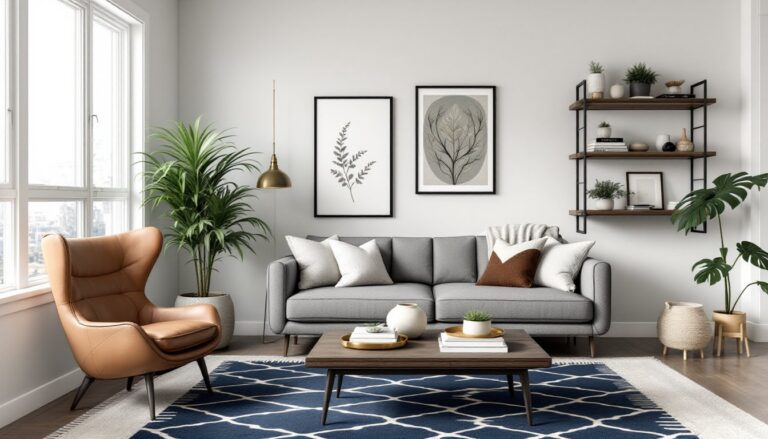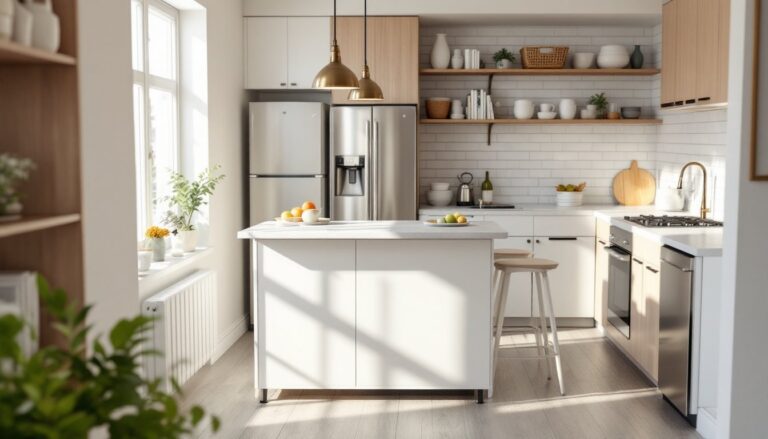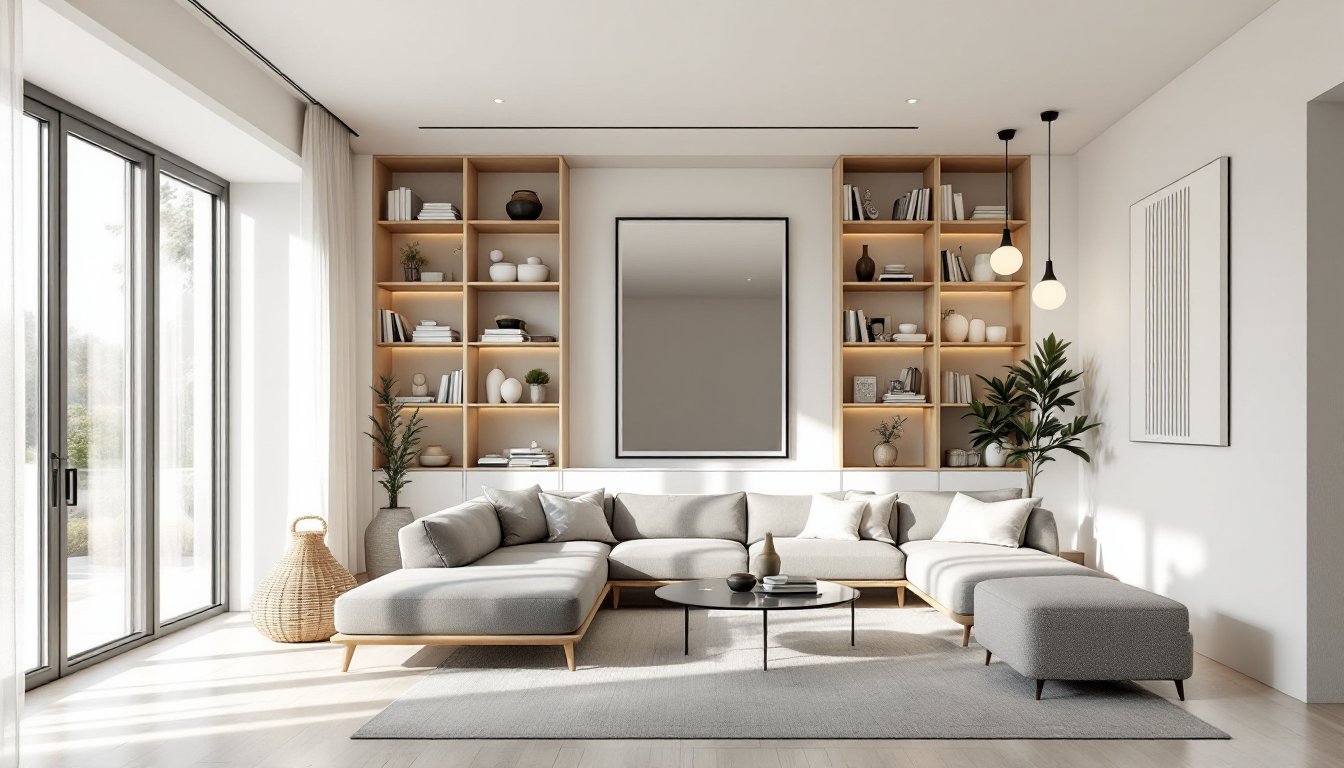
Small rooms don’t have to feel cramped, and large spaces don’t need to feel empty. Whether you’re working with a tight apartment or an oversized bedroom, maximizing interior design space comes down to smart planning and tactical design choices. Most homeowners overlook simple, high-impact strategies that can transform how a room feels and functions. The good news: you don’t need a renovation budget or a professional designer to pull it off. This guide walks through ten practical, actionable strategies that work in any home, regardless of square footage or style preference.
Table of Contents
ToggleKey Takeaways
- Maximizing interior design space starts with assessing your current layout and identifying problem areas like poor furniture placement, inadequate lighting, and traffic flow bottlenecks.
- Multi-functional furniture such as storage ottomans, sleeper sofas, and bed frames with built-in drawers significantly increase usable space by serving double duty without overwhelming small rooms.
- Vertical storage solutions like wall-mounted shelves, floating cabinets, and tall bookcases free up premium floor space and dramatically improve room functionality.
- Light, neutral wall colors and layered lighting create an airy feel and make rooms appear larger, while dark accents should be used sparingly to maintain perceived spaciousness.
- Decluttering and establishing simple, sustainable organization systems remove visual chaos and make any interior design space feel more open and intentional.
- Strategic design tricks like mirrors, vertical lines, area rugs, and furniture with exposed legs create the optical illusion of expanded space without requiring renovation.
Assess Your Current Layout and Identify Problem Areas
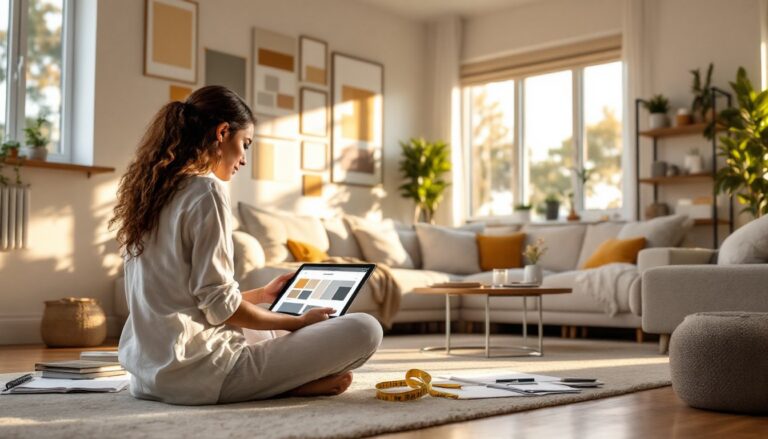
Before buying a single piece of furniture or moving walls, take a hard look at what you’ve got. Grab a pen, paper, and a tape measure, or snap photos from different angles if you prefer digital notes. Measure the room’s dimensions (length, width, ceiling height) and note where doors, windows, and permanent fixtures live. These details matter more than most people think.
Next, walk through the room during different times of day. Notice where light enters, where shadows pool, and which corners feel dead. Does traffic flow naturally, or do people bottleneck at a doorway? Are there awkward gaps between furniture? These observations reveal where the real problems hide.
Many rooms suffer from poor furniture placement simply because no one took ten minutes to think it through. A sofa pushed against the wrong wall might block light or make a room feel smaller. Floating furniture (moving it away from walls) often opens up space, even in tight quarters. Write down three to five specific problems, “corner looks empty,” “room feels dark,” “can’t fit a dining table”, and keep them handy as you plan.
Choose Multi-Functional Furniture to Serve Double Duty
Multi-functional furniture is the workhorse of space-smart design. A storage ottoman does triple duty: seating, storage, and a coffee table alternative. A console table behind the sofa becomes a desk, a display shelf, or a bar when needed. Bed frames with built-in drawers eliminate the need for a separate dresser. These aren’t trendy add-ons, they’re practical investments that earn their footprint.
When shopping for pieces, ask yourself: “Does this do more than one thing?” A sleeper sofa works for a living room and guest accommodations. A tall bookcase with baskets holds books, décor, and everyday items while serving as a room divider. Wall-mounted desks flip up when not in use, perfect for home offices squeezed into bedrooms. Even a well-chosen media console can hide clutter while displaying décor.
The key is choosing furniture scaled to your space. An oversized sectional might look impressive in a showroom but will make a small room claustrophobic. Measure carefully before purchasing, and don’t skimp on quality, a durable piece that serves multiple functions pays for itself through longevity. Sites like Freshome showcase modern layouts where multi-functional pieces anchor small spaces without overwhelming them.
Use Vertical Storage to Free Up Floor Space
Floor space is premium real estate in any room. The walls above your head? Often wasted. Installing shelves, wall-mounted cabinets, and hanging storage dramatically increases usable space without eating into square footage. Tall, narrow bookcases become vertical storage heroes, especially in corners that can’t accommodate wider furniture.
Wall-mounted cubbies work beautifully in entryways, bedrooms, and home offices. Pegboards hold tools, accessories, and small items while keeping them visible and accessible. Floating shelves above a desk, dresser, or credenza add storage without visual weight. Magnetic strips on kitchen walls hold spices and tools: hooks in bathrooms organize towels and robes. These solutions work because they exploit wasted vertical real estate.
When installing shelving, consider how load-bearing walls support weight. Standard drywall anchors work for light décor: heavier items like books need to be mounted into studs or solid backing. A stud finder costs under fifteen dollars and takes the guesswork out. Interior Design Photography: Capture often highlights these vertical tricks because they photograph well and genuinely improve function. Don’t forget the space above doorways, ledges and shallow cabinets fit perfectly and are often overlooked.
Leverage Light and Color to Create an Airy Feel
Light and color shape how large or small a space feels. A room flooded with natural light immediately feels bigger, even if the actual square footage hasn’t changed. Maximize window visibility by using lightweight curtains, rolling shades, or plantation shutters instead of heavy drapes. If privacy is essential, consider sheer or semi-transparent options that filter light while maintaining sightlines.
Artificial light matters equally. Layered lighting, overhead fixtures, task lighting, and accent lights, creates depth and prevents the flat, cramped feeling of a single ceiling fixture. Recessed lights, pendant lights, and wall sconces distribute illumination more evenly than a single bulb. Brighter bulbs (measured in lumens, not just wattage) brighten a space noticeably.
Color psychology plays a real role too. Light, neutral walls (whites, soft grays, warm beiges) make rooms feel larger because they reflect light and don’t visually “close in” the space. Accent walls in deeper tones add character without shrinking perception if applied to just one wall or architectural feature. The rule: lighter walls expand: darker walls compress. Dark ceilings lower perception, while white or light ceilings feel taller. Applying these principles costs nothing but takes intention, review Modern Home Interior Design: Transform ideas that use light and neutrals as anchors.
Declutter and Establish Smart Organization Systems
Clutter is the enemy of perceived space. A room filled with items, even nice items, feels smaller and more chaotic. The simplest way to maximize interior design space is to remove things that don’t serve a function or bring joy. This doesn’t mean owning nothing: it means being intentional about what stays.
Start by sorting belongings into three piles: keep, donate, and discard. Be honest, if you haven’t used it in a year and it doesn’t make you happy, it doesn’t earn its place. Once you’ve pared down, create homes for what remains. Drawer dividers organize socks and accessories. Labeled bins stack neatly on shelves. A charging station corrals cords and devices. Matching containers (even simple cardboard ones) look intentional and organized.
Organization systems only work if they’re sustainable. A complex system with ten steps will fail: a simple one you can maintain will stick. If hanging clothes works better than folding, hang them. If bins frustrate you, use open shelves instead. The goal is finding a method that matches how you actually live, not how you think you should live. Dining Room Interior Design: Transform pieces often feel larger partly because they’re curated, not overstuffed.
Implement Strategic Design Tricks for Visual Expansion
Certain design tactics create the illusion of more space without requiring renovation. Mirrors reflect light and create depth, a large mirror opposite a window bounces natural light throughout the room, making it feel airier. Don’t use tiny mirrors: go bold with a statement piece or a gallery wall of matching frames.
Vertical lines (via artwork, striped rugs, tall lamps, or wallpaper) draw the eye upward and make ceilings feel higher. Horizontal lines do the opposite, so reserve them for spaces where you want a more grounded feel. Rugs anchor spaces and define zones without walls. A rug under a seating area says “this is the living zone.” An area rug under a dining table delineates that space from the rest of the room.
Furniture legs (rather than skirted or solid bases) let light pass underneath, making pieces look lighter and less anchored. Glass or lucite tables take up space visually while remaining transparent. Wall-to-wall curtains hung near the ceiling (not at the window frame) make walls feel taller. Diagonal furniture placement can make an awkward room feel more dynamic, though this works best with professional guidance. According to row house and brownstone renovations, smart spatial tricks often trump square footage for livability.
Conclusion
Maximizing interior design space isn’t about having more square footage, it’s about using what you have smarter. Start with a clear assessment, invest in multi-functional pieces, push storage up the walls, dial in light and color, clear the clutter, and apply visual tricks that expand perception. Most homeowners see dramatic improvements within a single weekend of rearranging and organizing. The best part? These strategies work in rentals and owned homes alike, and few cost anything beyond sweat equity. Your space is waiting to feel bigger.