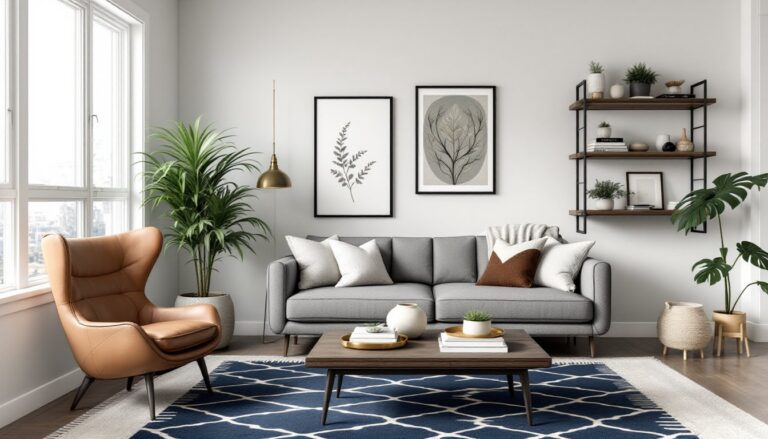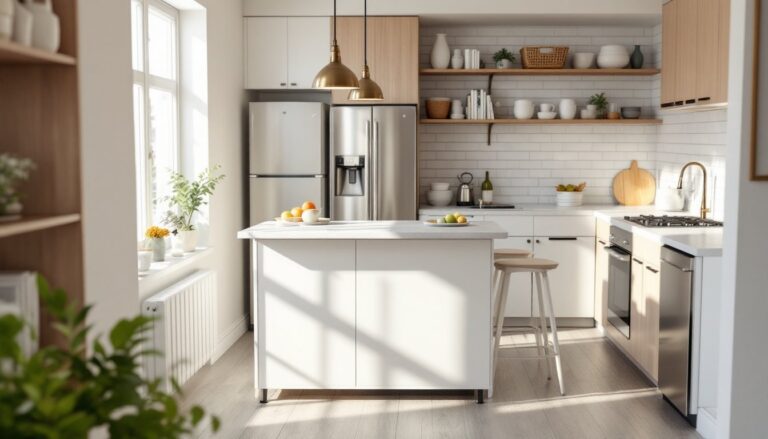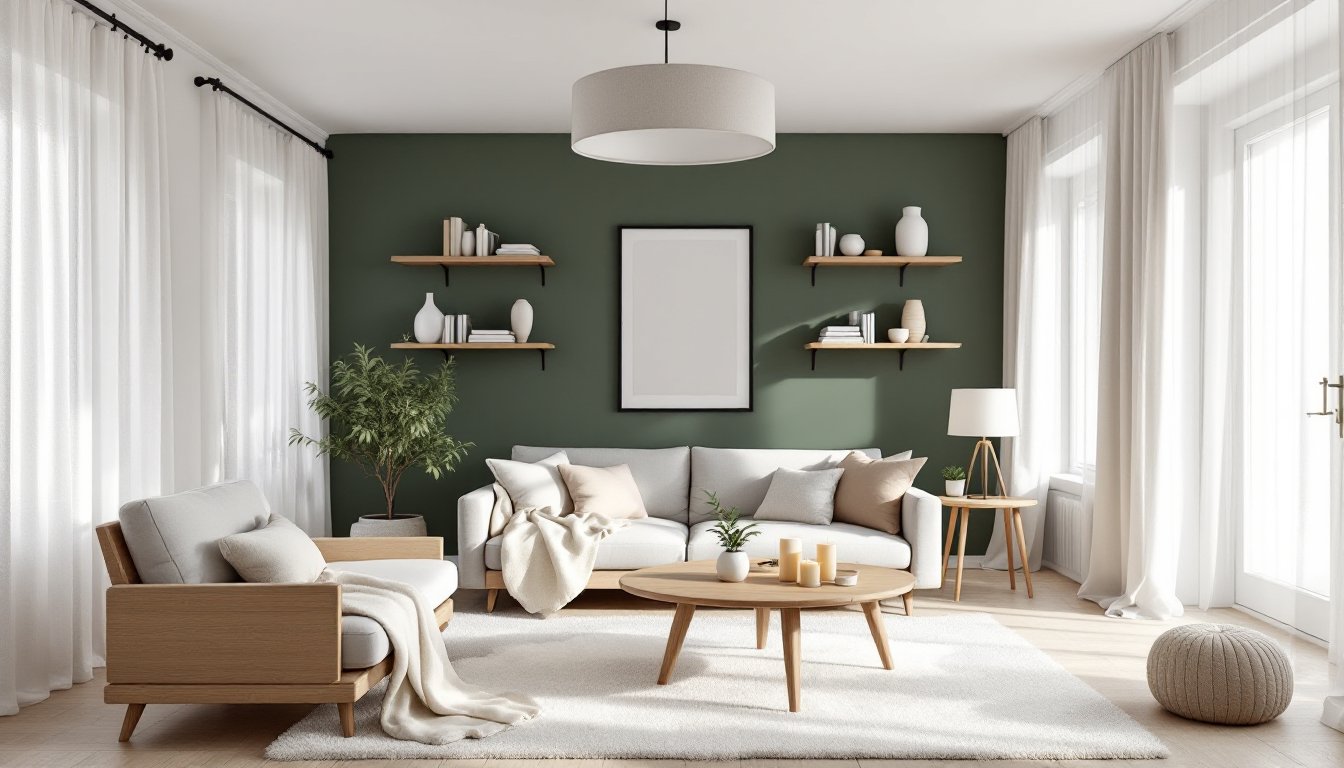
Scandinavian interior design has grown far beyond a passing trend, it’s a thoughtful approach to creating spaces that feel both calm and functional. Whether you’re drawn to the clean lines, the emphasis on natural light, or simply the promise of a clutter-free sanctuary, a Scandinavian living room can transform how you feel in your home every day. This style prioritizes simplicity, quality over quantity, and the marriage of beauty with purpose. If you’re ready to bring that Nordic serenity into your living room, this guide walks you through the essential principles, material choices, furniture strategies, and lighting solutions that define the Scandinavian aesthetic. You don’t need to demolish and rebuild, thoughtful swaps and intentional choices are all it takes.
Table of Contents
ToggleKey Takeaways
- Scandinavian living room design prioritizes simplicity, natural materials, and functionality—creating calm, purposeful spaces where every item earns its place.
- A neutral color palette of soft whites, warm grays, and subtle accent colors, combined with light wood furniture and natural textiles, forms the foundation of the Scandinavian aesthetic.
- Layered lighting with warm 2700K bulbs—including ambient, task, and accent layers—is essential for creating the warm, cozy ambiance that counters long Nordic winters.
- Strategic storage through built-in shelving and closed cabinets eliminates visible clutter while maintaining the clean lines central to Scandinavian interior design.
- Transform your space affordably by starting with an honest audit, painting with warm neutrals, refinishing dark wood pieces, and embracing negative space rather than filling every surface.
- Quality over quantity extends Scandinavian design’s appeal: investing in durable, timeless pieces like solid wood furniture and natural textiles creates rooms that improve daily life for years to come.
The Fundamentals of Scandinavian Interior Design
Scandinavian interior design emerges from the Nordic region, Denmark, Sweden, Norway, and Finland, where long, dark winters and limited daylight shaped how people approached their homes. The core philosophy centers on lagom, a Swedish concept meaning “just right,” and cosiness with purpose. There’s no excess here, no room for decoration that doesn’t serve you.
At its heart, Scandinavian design champions minimalism without feeling cold or sterile. Unlike stark modernism, this style wraps functionality in warmth through natural materials, soft textiles, and carefully curated pieces. Every item in the room earns its place, nothing is decorative clutter.
The style also prioritizes sustainability and longevity. Scandinavian furniture makers historically built pieces to last generations, using solid wood and timeless silhouettes rather than trendy designs that look dated in five years. This approach makes the style particularly appealing to homeowners who value both aesthetics and durability. When you apply these principles to your living room, you’re not just chasing a look: you’re building a space that actually improves your daily life.
Color Palettes and Materials That Define the Style
Choosing Your Base Colors
The Scandinavian color palette leans heavily on neutrals: whites, soft grays, warm beiges, and cool blacks. This restraint creates a calm visual foundation that doesn’t overwhelm the eye. The goal is to let natural light bounce around the room uninterrupted.
White walls are classic, but they don’t have to feel institutional. Warm whites with subtle undertones (avoiding stark, cold whites) feel more inviting. Many Scandinavian spaces pair white walls with one accent color, deep navy, forest green, or muted terracotta, applied to a single wall, a built-in shelf, or even just the window frame. This controlled use of color adds personality without sacrificing the minimalist aesthetic.
Greys work beautifully as a secondary base, especially in muted, warm tones. Think dove gray, greige (a gray-beige blend), or soft charcoal rather than cool, industrial grays. These feel grounded and sophisticated while maintaining the light, airy quality Scandinavian design demands.
Natural Materials and Textures
Where Scandinavian rooms earn their soul is in the materials. Light woods, birch, ash, and pine, form the backbone of furniture and flooring. Unlike dark woods, light woods maintain the brightness that’s central to the style. Nominal 1-inch lumber (actual ¾-inch thickness) is standard for shelving and built-ins: it has the right visual weight without feeling chunky.
Living Room Home Interior often features these light wood tones as foundational pieces. Pair wood with concrete, stone, or plaster for an understated textural richness.
Textiles soften the minimalism. Linen, wool, and cotton, natural fibers that age gracefully, replace synthetic materials. A chunky knit throw, a sheepskin rug, or linen curtains add tactile warmth. These aren’t merely decorative: they’re honest materials that show their character over time.
Leather accents (usually in neutral tones) introduce another layer of natural texture. High-quality leather furniture feels premium without being ostentatious, fitting the Scandinavian ethos of understated quality.
Furniture Selection and Layout Strategies
Scandinavian furniture emphasizes clean lines, functional forms, and proportional balance. Look for pieces with tapered legs, simple silhouettes, and minimal ornamentation. A sofa in this style typically features a rectangular frame, neutral upholstery, and legs that create visual lightness, the piece sits above the floor rather than appearing to sink into it.
Scale matters tremendously. Choose furniture that’s appropriately sized for your room: oversized sectionals overwhelm small spaces, while tiny chairs in a large room feel lost. A sofa in the 84–96 inch range works for most living rooms without dominating the space.
Layout prioritizes flow and conversation. Arrange seating in an open arrangement that encourages connection rather than forcing everyone to face a television. If a TV is necessary, position it thoughtfully, not as the room’s focal point. Many Scandinavian living rooms hide the television behind a panel or in a low cabinet when not in use.
Incorporate Modern Home Interior Design principles like negative space. Don’t fill every square foot: breathing room is part of the aesthetic and makes the room feel larger and calmer. A gallery wall of six framed black-and-white photographs scattered across white walls creates visual interest without clutter.
Storage is critical because Scandinavian design despises visible clutter. Built-in shelving, closed cabinets, and low credenzas hide books, electronics, and household items while maintaining sight lines. If you’re installing floating shelves, use 10–12 inch depth for most items: standard shelf brackets rated for 50 pounds per shelf handle typical loads.
Wood and light colors dominate furniture choices. A light oak coffee table, a birch bookcase, or a natural linen sectional ground the room while maintaining brightness. Pair one or two key wood pieces with metal accents (brushed steel, matte black handles) for subtle contrast.
Lighting Solutions for Warmth and Ambiance
Scandinavian design venerates natural light. Large windows, sheer curtains (linen or cotton, not heavy drapes), and light-colored walls maximize daylight penetration. If privacy is needed, roller shades in neutral tones or wooden slat blinds maintain aesthetic while providing control.
When natural light fades, and in Nordic winters, it fades early, layered artificial lighting saves the space. The goal is warm, diffused light that mimics the soft quality of daylight, never harsh ceiling fixtures alone.
Integrate three lighting layers: ambient (overhead light providing overall brightness), task (focused light for reading or work), and accent (subtle lighting that highlights architectural features or creates mood). A white linen pendant light centered in the room handles ambient duty. A floor lamp with a fabric shade placed beside seating offers task lighting. Small accent lights directed at a shelf or artwork add depth.
Color temperature matters, use 2700K (warm white) bulbs rather than cool 4000K or 5000K. This mimics candlelight and the warmth of natural sunset. Dimmable switches let you adjust brightness throughout the day and evening.
Table lamps on natural wood side tables, small sculptural ceramic pendant lights, and even candles (used liberally, not just decoratively) are hallmarks of Scandinavian lighting. The style embraces candlelight as a design element, not merely a backup when the power goes out.
Avoid recessed ceiling lights unless you’re planning new construction: retrofitting them disrupts ceiling integrity. Instead, Interior Design Ideas for Home leverage portable fixtures that offer flexibility as your room evolves.
Practical DIY Tips for Your Scandinavian Makeover
Start with an honest audit. Before buying anything, photograph your current space and list what genuinely serves you. Donate or relocate the rest. Scandinavian design thrives on restraint: emptying the room partway gets you halfway there.
Paint walls strategically. If repainting, choose soft whites or warm grays and plan for proper surface prep, sand glossy surfaces lightly, patch holes, and prime before rolling. Use quality interior latex paint (Benjamin Moore Aura, Sherwin-Williams Emerald, or equivalent) for durability and finish. One gallon covers roughly 350 square feet: most living rooms need 2–3 gallons per coat. Budget for two coats minimum.
Refinish wood furniture responsibly. Light wood is essential, but you may inherit darker pieces. A light stain or whitewash can transform dark wood without stripping and sanding (which generates sawdust and demands ventilation). For staining, apply pre-stain wood conditioner first, let it dry 15 minutes, then apply your chosen stain with a lint-free cloth in the direction of the grain. Allow 24–48 hours drying time before sealing. Wear nitrile gloves and eye protection throughout.
Install floating shelves for display and storage. Use solid wood boards (1×12 nominal, which measures 11.25 inches wide) and appropriate wall anchors rated for your wall type (drywall, plaster, or masonry). Heavy-duty floating shelf brackets hide behind the board, creating a clean look. Home Interior Design Ideas often feature open shelving displaying carefully arranged books and ceramics. Secure brackets into wall studs when possible: if hitting studs isn’t feasible, use expandable anchors rated for the load.
Hang artwork properly. Black frames, natural wood frames, or no frame (matted prints only) suit Scandinavian style. Arrange six to eight pieces in a loose grid, leaving 2–3 inches between frames. Use a level and measuring tape: poor hanging undermines the deliberate aesthetic. Command strips (for renters) or small picture hooks (for permanent installation) work equally well.
Layer textiles thoughtfully. Swap heavy curtains for linen panels. A chunky wool throw over your sofa, a sheepskin rug under a wood coffee table, and scattered linen cushions add coziness. Machine-wash most linens in cool water: air-dry to prevent shrinking. Wool pieces benefit from hand-washing or dry cleaning to maintain their integrity.
Embrace negative space. This is the hardest part for many DIYers: leaving wall space bare, shelves partially empty, and surfaces uncluttered. Resist the urge to fill every surface. One tall plant in a corner, a single sculptural vase on a shelf, a few books stacked horizontally, these sparse arrangements exemplify the style and require no installation.
Use resources like Freshome or Homify to gather inspiration and see how others execute Scandinavian living room designs at scale. Studying real installations helps clarify which elements resonate with your vision.
Moving Forward with Your Scandinavian Living Room
Transforming your living room into a Scandinavian sanctuary isn’t about achieving perfection: it’s about intentionality. Strip away the excess, invest in quality basics (light wood furniture, natural textiles, warm lighting), and let breathing room do the heavy lifting. Most changes, new paint, furniture arrangement, textile swaps, and thoughtful art placement, require no permits, no professionals, and relatively modest budgets. Start with one element, live with it for a week or two, and build from there. Your Scandinavian living room will reward you with calm, clarity, and genuine comfort every time you walk in.