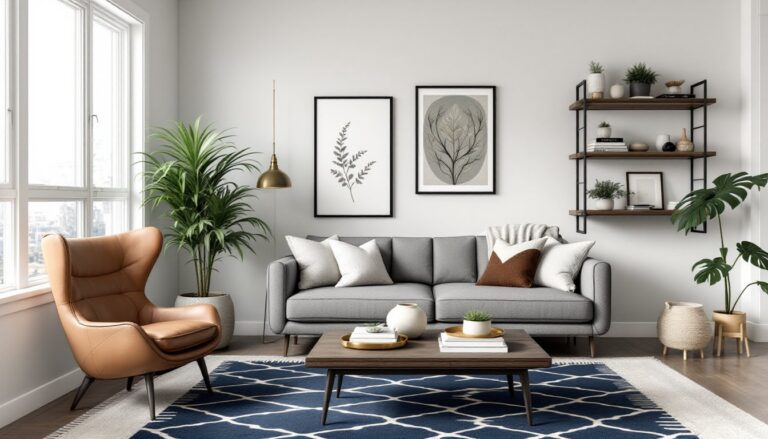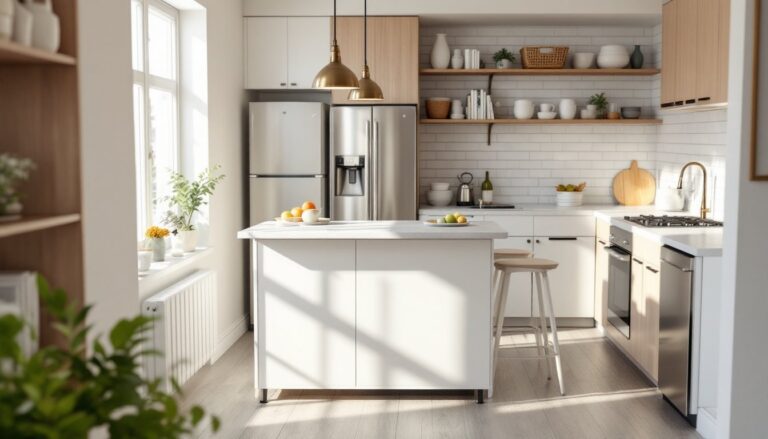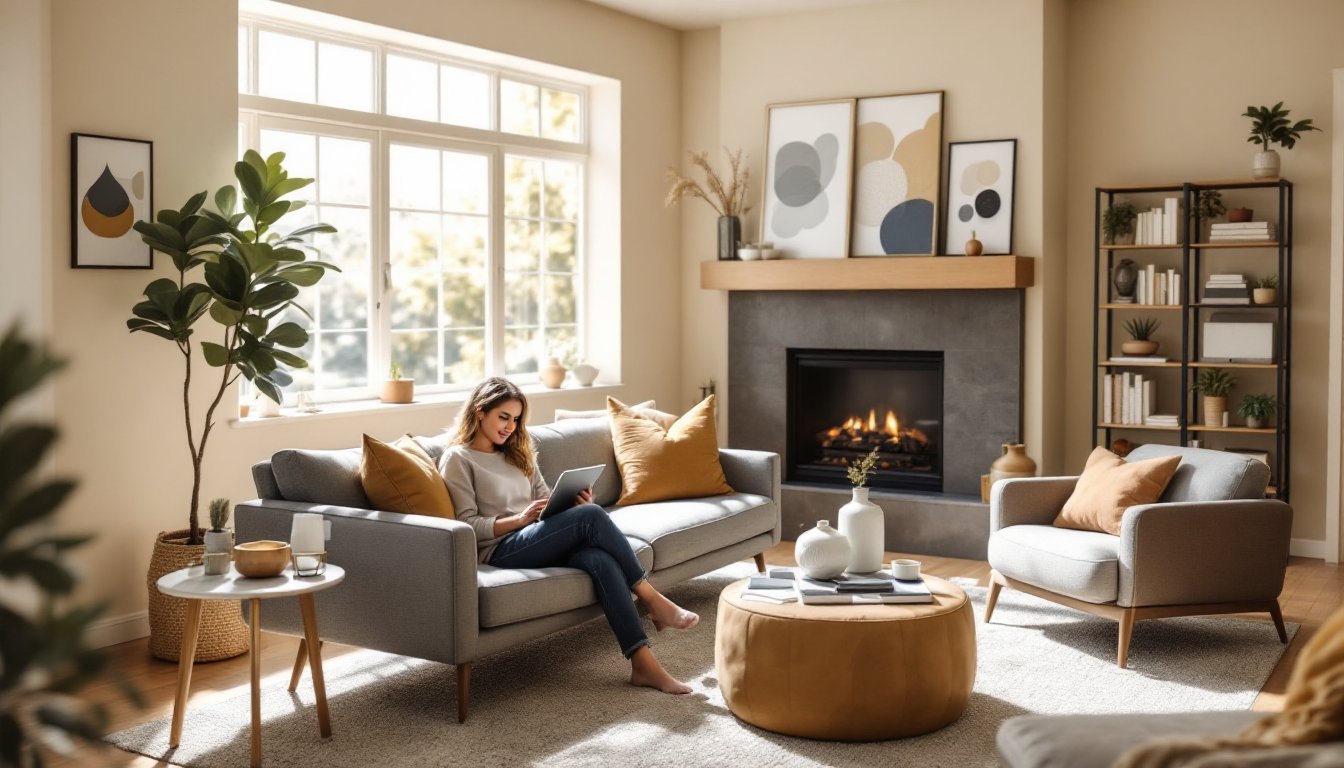
Interior design used to mean hiring an expensive professional or spending weekends pinning ideas on Pinterest without a clear direction. But in 2026, chatgpt interior design is reshaping how homeowners approach their spaces. Rather than guessing at color schemes or furniture layouts, you can now consult an AI assistant that understands spatial relationships, style preferences, and budget constraints. ChatGPT won’t replace a professional designer for complex structural work, but it’s become an invaluable brainstorming partner for everyday renovations and decorating decisions. Whether you’re refreshing a single room or planning a whole-house makeover, learning to use ChatGPT effectively can save time, spark ideas you wouldn’t have considered alone, and help you make confident design choices before spending a dime.
Table of Contents
ToggleKey Takeaways
- ChatGPT interior design transforms home decorating by providing on-demand, personalized guidance for layouts, color palettes, and budgeting without hiring expensive professionals.
- Specific, detailed prompts yield the best results—include room dimensions, existing elements, style preferences, and budget constraints to receive tailored design recommendations.
- ChatGPT excels at solving common spatial challenges like cramped rooms, narrow hallways, and awkward layouts by explaining design principles so you understand the reasoning behind suggestions.
- The tool helps allocate budgets realistically and prioritizes high-impact, lower-cost upgrades like new hardware and lighting over costly structural changes.
- ChatGPT is ideal for cosmetic updates and DIY projects but cannot assess structural issues, building codes, or create photorealistic 3D renderings—hire a professional for complex renovations.
ChatGPT as Your Personal Interior Design Assistant
ChatGPT functions as an on-demand design consultant you can access anytime, no appointment booking or design fees required. Feed it details about your space (room dimensions, existing furniture, natural light, architectural features), your style preferences (modern, farmhouse, minimalist, eclectic), and your constraints (budget, timeline, rental vs. owned), and it generates tailored suggestions rather than generic advice.
The key is specificity. Vague prompts like “make my living room better” yield surface-level responses. Instead, try: “I have a 14×16 living room with one large window on the south wall, cream-colored walls, and a slate fireplace. I prefer warm, cozy aesthetics but want to keep it feeling open. My budget is $3,000 for furniture and decor. What layout would work?” ChatGPT will then offer room plans, suggest furniture pieces and scale, and explain why each recommendation suits your situation.
What makes this particularly useful for DIYers is that ChatGPT can explain the reasoning behind suggestions, spatial flow, color theory, proportion, so you understand the principles, not just the checklist. You’re essentially learning design logic while solving your immediate problem. This understanding carries over to future decisions, making you a sharper, more confident DIYer.
Generating Room Layout and Furniture Placement Ideas
Room layout is where many homeowners get stuck. Furniture placement affects traffic flow, conversation areas, TV viewing angles, and overall comfort, but visualizing these relationships without a professional’s eye is tough. ChatGPT excels here.
Describe your room’s fixed elements: doorways, windows, electrical outlets (yes, outlet placement matters), existing built-ins, and any large structural features. Tell ChatGPT what activities happen in the room. Then ask for multiple layout options with pros and cons for each. For example, in a bedroom, ChatGPT might suggest centering the bed on the wall opposite the entry versus angling it in a corner, explaining how each affects sightlines and usable space.
When sketching a layout suggestion, mention your furniture dimensions (a standard sofa is roughly 84″ wide: a queen bed is 60″×80″) so ChatGPT can calculate whether pieces actually fit and provide scale guidance. Many layout failures stem from oversized furniture in small rooms, ChatGPT can flag this if you feed it accurate measurements. For complex layouts, some DIYers take ChatGPT’s suggestions and mock them up using Interior Design Photography to visualize before committing.
Getting Color Palette and Styling Recommendations
Color selection paralyzes many homeowners. Thousands of paint shades exist: narrowing down feels impossible. ChatGPT can help you build a cohesive palette based on your starting point.
Begin by describing an anchor, a permanent element you’re not changing, like a tile backsplash, flooring, or that vintage rug you love. Give ChatGPT the color (as specifically as possible: “warm gray with subtle beige undertones,” not just “gray”). Then ask for complementary wall colors, accent colors, and how to distribute them across the room. ChatGPT understands color relationships and can suggest a palette that feels intentional rather than random.
Beyond paint, ChatGPT can recommend how to style shelves, arrange artwork, layer textiles, and choose finishes that harmonize with your palette. Modern home interior design often relies on cohesion, every piece, from hardware to throw pillows, should sing the same song. ChatGPT can guide you on this without requiring you to hire a stylist. Sites like Home Bunch and Freshome offer visual inspiration, but ChatGPT helps you understand why certain combinations work, so you can apply those principles to your unique space.
Budget Planning and Material Selection Help
One of ChatGPT’s most practical applications is helping you allocate a budget realistically. Tell it your total budget, your priorities (kitchen remodel vs. guest bedroom refresh), and your timescale. ChatGPT can break down a $5,000 budget across flooring, paint, furniture, lighting, and accessories, explaining trade-offs.
It also helps with material selection. Ask ChatGPT to compare paint finishes (flat, eggshell, satin, semi-gloss) and why each suits different rooms. Discuss flooring options: laminate vs. vinyl vs. real hardwood, with durability, cost, and aesthetic implications. Request the pros and cons of natural fiber rugs versus synthetic, wall-to-wall carpet versus area rugs. ChatGPT won’t give you a single “best” answer because context matters, a low-traffic formal dining room has different flooring needs than a high-traffic kitchen.
When budgeting, ChatGPT can also help you prioritize “big impact, lower cost” upgrades (new hardware, updated lighting, fresh paint) versus pricier structural changes. Living Room Home Interior Design renovations, for instance, can range from a $1,500 paint-and-furniture refresh to a $20,000 overhaul. ChatGPT helps you understand what level of investment matches your goals.
Using ChatGPT to Overcome Common Design Challenges
Specific problems yield the best ChatGPT responses. A room might feel cramped, dated, or disconnected from adjoining spaces. Describe the exact issue, “My dining room feels dark and isolated from the kitchen: the entryway is cramped and cluttered”, and ChatGPT will diagnose root causes and suggest targeted solutions.
Say you have an awkwardly long, narrow hallway. ChatGPT can recommend paint strategies (lighter walls to feel less confining), lighting placement (recessed fixtures along the ceiling), and decor (mirrors to reflect light, artwork at eye level to break monotony). For a living room that feels choppy because of scattered furniture, ChatGPT might suggest anchoring the room with a rug and creating defined zones, conversation area, reading nook, that feel intentional rather than haphazard.
One powerful feature: ChatGPT can problem-solve constraints. Working with a rental? It’ll suggest removable solutions: peel-and-stick wallpaper, non-permanent paint, freestanding room dividers. Stuck with dark, small spaces? It’ll recommend light-reflecting surfaces, strategic mirror placement, and color strategies. Home Interior Design Ideas often hinge on creative solutions within constraints, and ChatGPT is excellent at thinking through those trade-offs.
Limitations and When to Call a Professional Designer
ChatGPT is powerful but not infallible. It can’t assess structural issues, load-bearing walls, electrical capacity, or building codes specific to your jurisdiction. If you’re removing a wall, running new wiring, or installing plumbing, you need a licensed professional, not an AI.
ChatGPT also generates text, not true 3D renderings. It can describe a layout, but it won’t show you a photorealistic image of your room transformed. Tools exist for that (many are AI-powered as well), but ChatGPT alone can’t produce visual mockups. Also, ChatGPT’s knowledge has a training cutoff: it may not know about the very latest finishes or products released in 2026. When selecting specific brands or new materials, cross-reference its suggestions.
Consider hiring a designer if you’re tackling Modern Home Interior Design for a high-stakes space (master bedroom, kitchen), have a very tight budget requiring expert allocation, need structural changes, or want professional-grade 3D renderings and procurement. For straightforward cosmetic updates, refreshing a guest room, updating a Dining Room Interior Design, styling shelves, ChatGPT provides more than enough guidance. A practical approach: use ChatGPT to generate ideas and a rough plan, then consult a designer if the project feels complex or high-cost.
Conclusion
ChatGPT has democratized interior design guidance. It won’t replace professionals for structural work or high-end projects, but for homeowners seeking inspiration, spatial problem-solving, and confidence-building design logic, it’s an invaluable tool. The best results come from specific, detailed prompts that tell ChatGPT about your actual constraints, not your dreams in a vacuum. Ask good questions, cross-reference suggestions, and trust your instincts. Combined with hands-on DIY skills and an understanding of when to call in experts, ChatGPT transforms interior design from an intimidating mystery into a manageable, creative process you can tackle yourself.