Custom interior design isn’t just for magazine spreads or celebrity homes, it’s about making your space work for you, reflect your personality, and fit your budget. Whether you’re renovating a single room or reimagining your entire home, the goal is the same: create a space that feels intentional, functional, and genuinely yours. The good news is that custom design doesn’t require hiring an expensive decorator or blowing through your savings. With the right approach, clear priorities, and a bit of elbow grease, you can build a home that’s both beautiful and practical. In 2026, the focus is on personalization over trends, creating spaces that serve your lifestyle rather than chasing what’s popular.
Table of Contents
ToggleKey Takeaways
- Custom interior design prioritizes intentional choices about color, layout, and function to create a space that reflects your personality and serves your lifestyle, rather than chasing trends.
- Successful custom interior design on a budget requires prioritizing big-ticket items like furniture and flooring, sourcing strategically by mixing investment pieces with budget-friendly alternatives, and breaking projects into phases to avoid decision fatigue.
- Defining your authentic design style through inspiration gathering and mood boards, combined with honest self-assessment of how you actually live, prevents costly mistakes and ensures cohesive, functional spaces.
- A hybrid approach of consulting a professional designer ($200–$500) for direction while executing the plan yourself can provide expert guidance at a fraction of full design service costs.
- Practical execution follows a clear sequence: measure and plan layout, choose paint color in actual lighting, layer lighting for function, source key furniture, add accessories, then evaluate and adjust as you live in the space.
What Is Custom Interior Design and Why It Matters
Custom interior design is the process of deliberately shaping your living spaces to match your needs, preferences, and budget. Unlike off-the-shelf decorating or cookie-cutter room makeovers, custom design means making intentional choices about color, layout, materials, and function. It’s not about following trends, it’s about understanding what actually works in your home.
Why does it matter? A thoughtfully designed space improves daily life. When your living room layout supports conversation, when your kitchen storage puts frequently used items at arm’s reach, when your bedroom color palette actually helps you sleep, those are the wins that matter. Custom design also helps you avoid expensive mistakes, like buying furniture that doesn’t fit the space or choosing paint colors that look wrong in your lighting.
The difference between custom design and generic decorating is intentionality. You’re not just buying things: you’re selecting items that serve a purpose, fit your aesthetic, and work together as a cohesive whole. Modern Home Interior Design approaches emphasize this thoughtful curation, whether you’re drawn to minimalism, maximalism, industrial styles, or something uniquely yours.
Understanding Your Design Style and Personal Aesthetic
Before you buy anything, take time to understand what actually appeals to you. Your design style is the visual language of your home, it’s how you communicate who you are through your space.
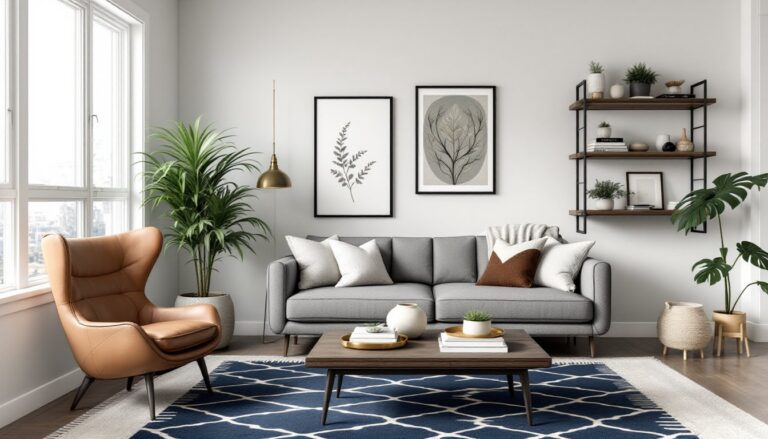
Start by looking at homes, rooms, and pieces that make you pause. Do you love clean lines and open space? Warm, layered textures? Bold colors or calming neutrals? Notice patterns in what attracts you. Some people gravitate toward scandinavian simplicity, others toward eclectic maximalism, and many discover they’re drawn to a hybrid style that blends influences.
Consider how you live, not how magazines show homes living. If you have kids or pets, a cream-colored sofa isn’t realistic, and that’s fine. If you work from home, your design needs to support focus and function, not just look pretty. If you entertain often, flow and seating matter more than a pristine statement piece.
Finding Inspiration and Creating Your Vision Board
Gather visual references before you commit to anything. Use Pinterest, Instagram, design blogs, or physical magazine tear-outs. The goal isn’t to copy what you find: it’s to identify the elements you genuinely like.
Create a mood board, digital or physical, with images of rooms, color combinations, furniture styles, and textures that appeal to you. Look for recurring themes. Maybe you notice warm wood tones appear in most images, or geometric patterns, or specific color families. These aren’t accidents: they’re clues about your authentic preferences.
Resource sites like Homedit and Architectural Digest are excellent for gathering ideas and seeing how professional designers approach different rooms and styles. Compare what resonates with you across different sources. Interior Home Design guides can help you translate inspiration into actionable decisions for your own space.
Planning Your Custom Design Project on a Budget
The biggest myth about custom design is that it requires unlimited spending. It doesn’t. What it requires is strategy. Custom design on a budget means prioritizing ruthlessly and shopping deliberately.
Start with the big-ticket items: furniture, flooring, paint, and built-in elements (if applicable). These set the tone and foundation for everything else. Get these right, and you can add smaller accessories over time. Get these wrong, and no amount of throw pillows will fix it.
Break your project into phases. Maybe phase one is painting and updating the lighting in your living room. Phase two, six months later, is replacing the sofa. Phase three, a year later, is adding a dining table that actually fits your space. Staging your project this way keeps you sane and prevents decision fatigue.
Source strategically. Mix investment pieces (a quality sofa that will last years) with budget-friendly items (wall art, lighting, accessories). Learn to recognize good bones in used furniture. An older wooden frame with solid construction can be refinished or reupholstered far more cheaply than buying new.
Setting Realistic Priorities and Timelines
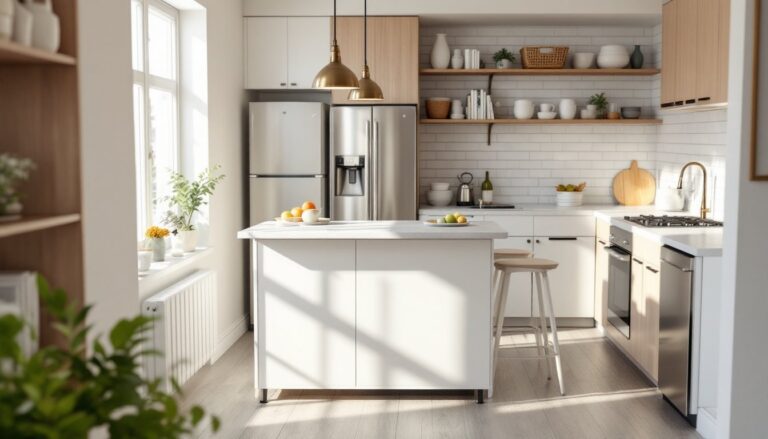
Ask yourself what matters most for your lifestyle and wellbeing. For some people, it’s the bedroom, a peaceful, functional retreat is worth the investment. For others, it’s the kitchen, where they spend significant time and want everything to work smoothly. For others, it’s the living room, their gathering space.
Be honest about what stays versus what goes. A piece of inherited furniture might have sentimental value, but if it doesn’t fit your design or function, it will cost you in visual peace and physical space. Permission to donate or sell things that don’t serve you is a game-changer.
Set a realistic timeline. Custom design isn’t rushed. You might spend two months thinking through your living room before you buy a single piece. That’s not procrastination: that’s smart planning. Home Design Interior projects typically see best results when decisions are made thoughtfully, not impulsively.
Estimate costs honestly. A fresh coat of paint costs a few hundred dollars and has huge visual impact. New flooring costs thousands. New custom cabinetry or built-ins cost more. Know these ranges for your region and project scope before you start, so there are no surprises.
DIY Versus Hiring a Professional Designer
You don’t need a designer to create a custom interior. But understanding when a professional saves money, and when you can handle it solo, is crucial.
DIY makes sense when: You have a clear vision, patience for the learning curve, and time. You’re comfortable making mistakes and adjusting. Your project is a single room without structural changes. You’re detail-oriented and can visualize spatial relationships.
Hire a designer when: Your project is large or complex (multiple rooms, structural changes, custom elements). You’re stuck and can’t move forward. You’re planning built-ins, cabinetry, or layouts that require professional drawings. You want someone to manage contractors or sourcing. You need design expertise to avoid costly mistakes.
Many DIYers hire a designer for a consultation ($200–$500 typically) to get direction, then execute the plan themselves. This hybrid approach often costs less than full design services while providing professional guidance. Interior Design Home professionals can also help you prioritize spending and make tough calls about what to invest in.
If you hire someone, request a clear scope of work: Are they designing the full space or just advising on specific elements? Are they sourcing and ordering items, or are you? What’s included in the fee, and what’s extra? Get it in writing. A good designer saves money through smarter choices, not by spending more.
Practical Steps to Bring Your Custom Design to Life
Once you’ve clarified your style and priorities, execution is straightforward.
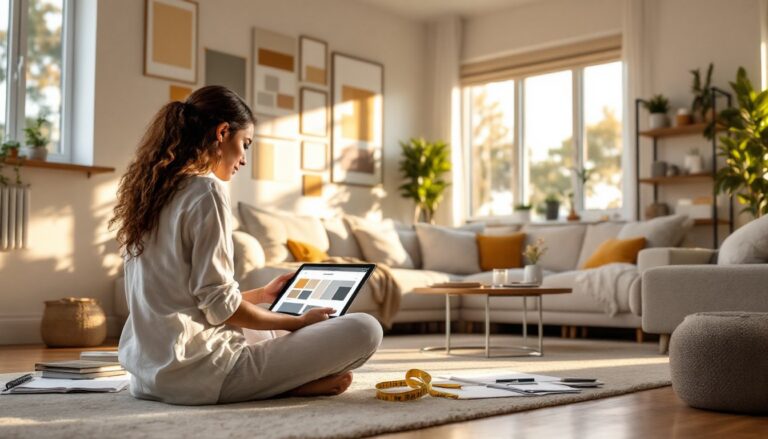
Step 1: Measure and plan layout. Use actual dimensions of your room and furniture. Sketch it to scale on paper or use a digital tool. This prevents buying a sofa that won’t fit through the door or a dining table that leaves no walking space.
Step 2: Choose your foundation. Paint is usually first because it’s transformative and affects how everything else looks. Pick colors in actual lighting conditions in your home, not from a swatch under store lights. Get samples and live with them for several days.
Step 3: Plan lighting. Don’t underestimate this. Recessed lights, table lamps, floor lamps, and pendant lights all serve different functions. A well-lit room feels better and is more functional. Consider layering: ambient light for general illumination, task light for specific areas, accent light to highlight features.
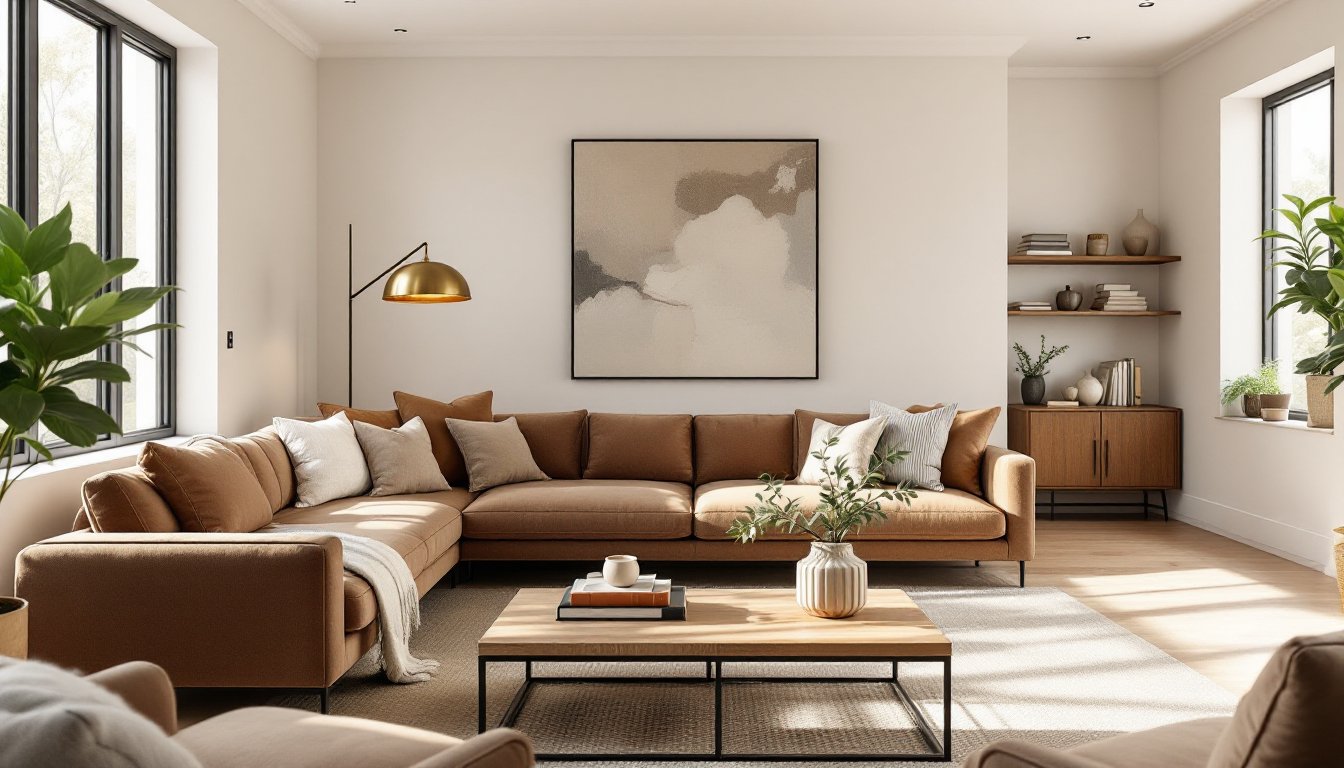
Step 4: Source key furniture pieces. Start with pieces that define the room’s function and layout. A sofa for the living room, a dining table, a bed frame. Make sure these work in the space and fit your budget. Living Room Home Interior Design and Dining Room Interior Design guides offer specific advice for furniture selection in these key spaces.
Step 5: Layer in accessories and styling. Once major pieces are in place, add smaller items: throw pillows, rugs, art, plants, shelving. These create visual interest and tie colors together. They’re also easy to change if you want to refresh without starting over.
Step 6: Evaluate and adjust. Live in the space for a few weeks. Does the layout work? Do you need more storage? Is the color scheme calming or does it feel off? Make notes and adjust. Custom design isn’t static: it evolves as you understand what works.
Design resources like Elle Decor offer inspiration for styling and finishing touches, while Home Interior Design Ideas provides practical concepts you can adapt. Home Office Interior Design guidance is especially useful if you’re working from home and need a space that supports both function and comfort.