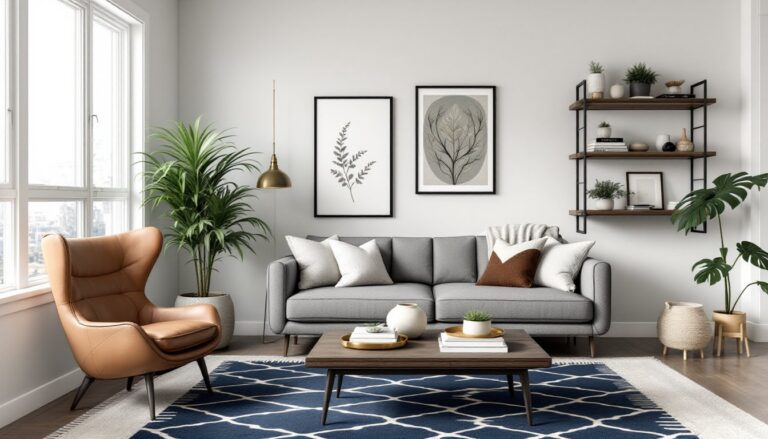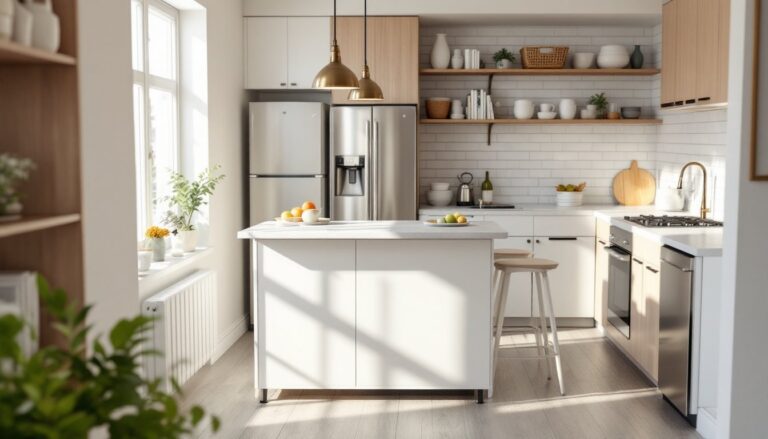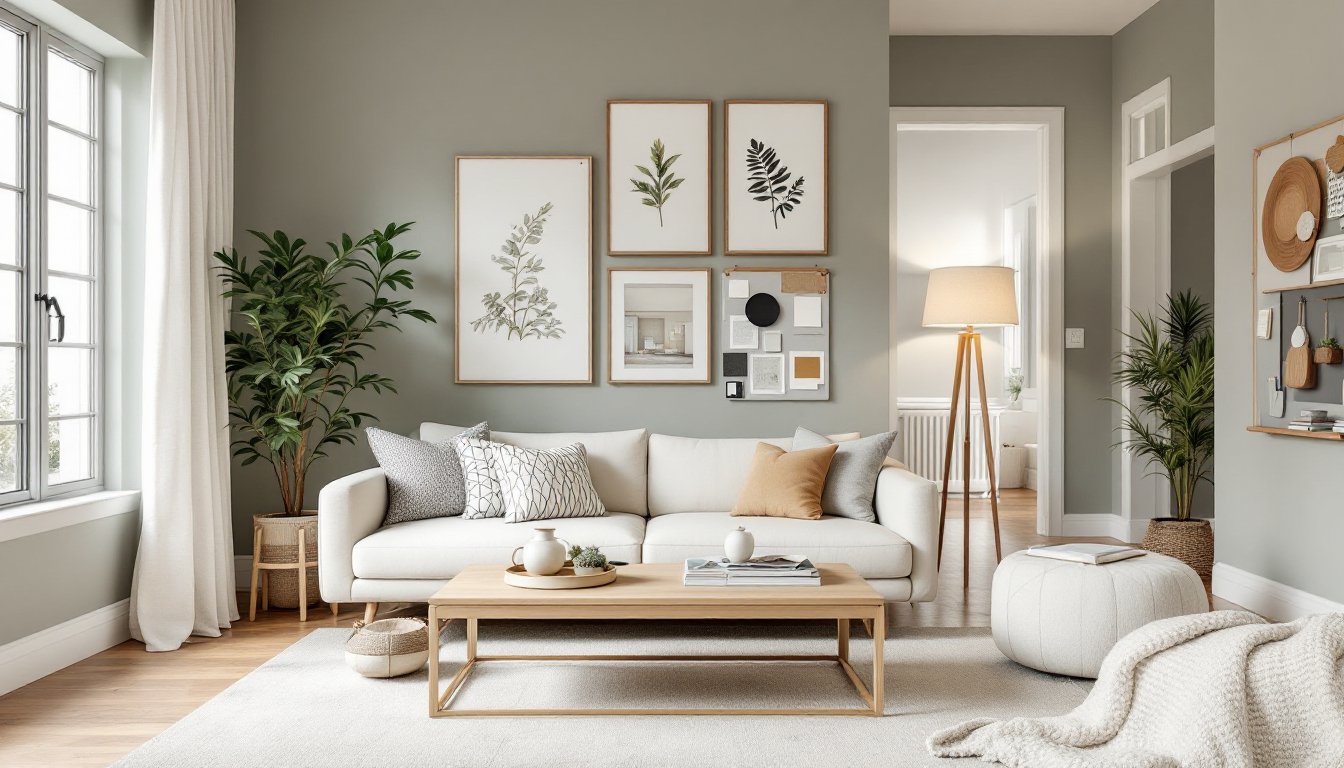
Figuring out your interior design style can feel overwhelming. You walk through a home improvement store, scroll endless Pinterest boards, and end up with a mishmash of ideas that don’t quite work together. An interior design style quiz cuts through the confusion by helping you identify what actually appeals to you, not what you think should appeal to you. Whether you’re drawn to sleek minimalism, cozy cottage vibes, or something bold and dramatic, taking a design style assessment gives you a clear direction before you start any project. This guide walks you through why a quiz matters, what to expect, and how to use your results to make real decisions about your space.
Table of Contents
ToggleKey Takeaways
- An interior design style quiz identifies your authentic aesthetic preferences, preventing scattered decorating choices and creating a cohesive framework for every design decision.
- Taking a design style assessment saves money and time by eliminating costly mistakes, while helping you communicate clearly with contractors or designers about your vision.
- Major design styles—modern, traditional, industrial, bohemian, coastal, transitional, and eclectic—each have distinct visual markers that a quality quiz clarifies with examples and historical context.
- Use your quiz results to build a mood board of 15–20 reference images, then identify three to five non-negotiables per room to translate your style into real home projects.
- Avoid common mistakes like chasing trends instead of your genuine preferences, designing for aspiration rather than reality, or forcing a single style when blending two to three compatible aesthetics works better.
Why An Interior Design Style Quiz Matters For Your Home
A lot of people approach home decorating by collecting pieces they like in isolation. You grab a throw pillow here, a mirror there, and suddenly your room feels disjointed. An interior design style quiz prevents that scattered approach by creating a unifying framework for your choices.
When you identify your core design style, everything else becomes easier. Paint color selection, furniture selection, lighting choices, and accessory shopping all point back to that core aesthetic. You spend less money making mistakes and more time enjoying a cohesive space. A quiz also helps you communicate clearly with contractors, designers, or friends when you’re bouncing ideas around, “I’m going for modern minimalism” or “My style is cozy cottage” gives everyone a shared understanding.
Beyond aesthetics, knowing your style helps you invest wisely. A well-chosen design direction means furniture and finishes stay relevant longer. You’re not chasing trends: you’re building something with staying power. That translates to a home that feels intentional and personal rather than random, which actually increases your home’s resale appeal too.
What To Expect From This Design Style Assessment
A solid interior design style assessment typically asks 10 to 20 quick questions about your preferences, color, texture, layout, and the vibe you want to feel when you walk into a room. You’re not overthinking: you’re picking gut responses. Do you prefer clean lines or layered textures? Bold colors or neutrals? Lots of visual interest or calm breathing room?
Once you answer, the quiz cross-references your responses against established design archetypes. Modern, traditional, industrial, bohemian, coastal, transitional, the major categories all have clear visual markers. The results typically show you a primary style match (and sometimes secondary matches) with descriptions of what that style looks like in practice.
A well-designed assessment also shows examples. Visual references matter because “modern” means something different to everyone. One person pictures sleek Scandinavian minimalism: another sees a warm, wood-forward contemporary space. Images clarify that gap. Good quizzes also explain the historical or cultural roots of each style, which helps you understand why certain elements work together.
Breaking Down the Major Interior Design Styles
Understanding the major categories helps you recognize what the quiz is measuring. Each style has recognizable DNA.
Modern emphasizes clean lines, open space, and function-first design. Think neutral palettes, minimal ornamentation, and furniture that prioritizes usability. This is different from traditional, which incorporates historical references, symmetry, and often darker woods or period-appropriate details.
Industrial borrows from warehouse and factory aesthetics, exposed brick or concrete, metal accents, rough textures, and a “authentic wear” look. It’s the opposite of polished.
Bohemian (or boho) celebrates color, pattern, layering, and global influences. Rugs, textiles, plants, and eclectic artwork mix freely. It’s intentionally not matchy-matchy.
Coastal evokes beach living: soft nautical tones, natural textures, airy layouts, and a relaxed vibe. Light wood, whites, and ocean-inspired palettes dominate.
Transitional bridges traditional and modern, it takes classic bones but simplifies them. You get softer symmetry and warmer neutrals without heavy historical detail. It’s a practical choice for people who want timeless without feeling stuffy.
Eclectic or maximalist styles mix periods, colors, and influences deliberately. Nothing is “supposed” to match, but skilled maximalism still feels intentional, not chaotic.
Modern Art Deco Interior design combines geometric shapes and luxe materials, while Masculine Interior Design leans into deeper tones, leather, and strong lines. Space Interior Design takes futurism to another level entirely, creating rooms that feel otherworldly.
How To Use Your Quiz Results In Real Home Projects
Once you’ve nailed down your style, the real work starts: translating that insight into decisions.
Start with a mood board. Clip or pin 15 to 20 images that match your quiz result. Mix interior shots with close-up details, a paint color, a fabric texture, a lighting fixture. This visual library becomes your north star when you’re shopping or planning.
Next, identify the non-negotiables for each room. If your quiz says “modern home interior design,” that might mean you need a neutral wall color, clean-lined furniture, and minimal clutter. If it’s “cozy cottage,” you might prioritize warm tones, pattern mixing, and layered lighting. Knowing your three to five core requirements prevents decision paralysis.
When you’re planning actual projects, repainting a living room, refinishing a dining room, or designing a home office, check every choice against your style. Will this paint color work? Does this furniture silhouette fit? If the answer is no, skip it, even if it’s on sale.
Also reference design inspiration platforms. Resources like House Beautiful’s interior style guide showcase eight key looks with clear visual examples. Freshome and Home Bunch offer detailed room-by-room inspiration tagged by style. Seeing how pros execute your identified aesthetic teaches you proportions, material pairings, and layering techniques that matter in real rooms.
Common Mistakes When Identifying Your Design Style
People often confuse their design style with their lifestyle or their partner’s style.
One common slip: answering based on what’s currently trending instead of what you genuinely like. A design style quiz works best when you’re honest about your actual preferences. If you don’t naturally gravitate toward minimalism, don’t force it because it’s popular. A style you love stays relevant to you: trend-chasing leads to constant redecorating.
Another mistake: picking based on aspirational Pinterest energy rather than your real life. If you have kids and pets, a pristine white Scandinavian apartment sounds lovely on a board but might drive you crazy in practice. The best style is one that works with your household, not against it.
Some people also score “multiple styles” on a quiz and panic, thinking they need to pick just one. That’s not how it works. Most real homes blend two or three compatible aesthetics. You can anchor a space in modern but add transitional warmth or a bohemian accent wall. What matters is intentionality, your blended approach should feel deliberate, not accidental.
Finally, don’t assume your style applies identically to every room. Your cozy cottage cottage aesthetic might shine in a bedroom but need scaling back in a kitchen. Style is your foundation: project needs and room function refine how you apply it.
Conclusion
An interior design style quiz isn’t just a fun personality test, it’s a practical decision-making tool. It clarifies your preferences, saves you money on wrong choices, and gives you a framework for creating a home that genuinely reflects who you are. Take the quiz honestly, study the descriptions and examples, then build your mood board and start small. Your design style becomes clearer with each project you complete.