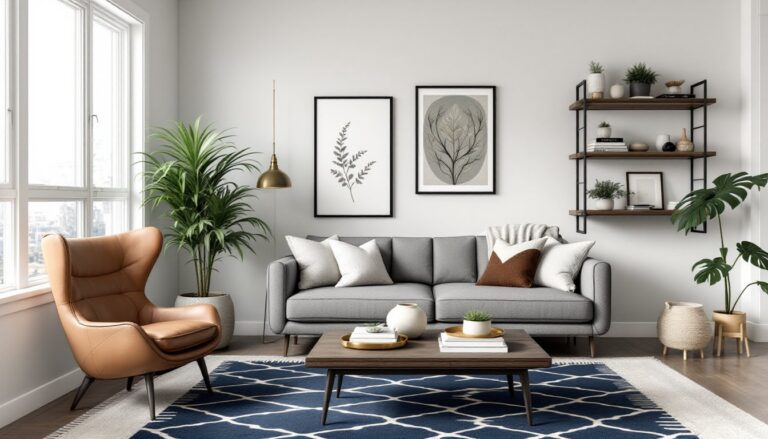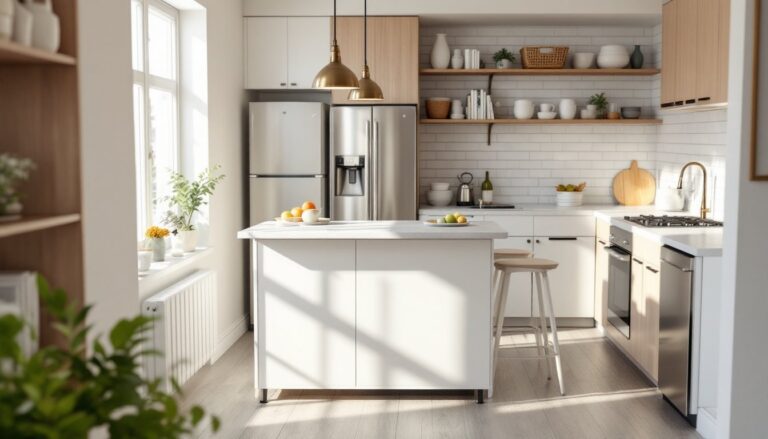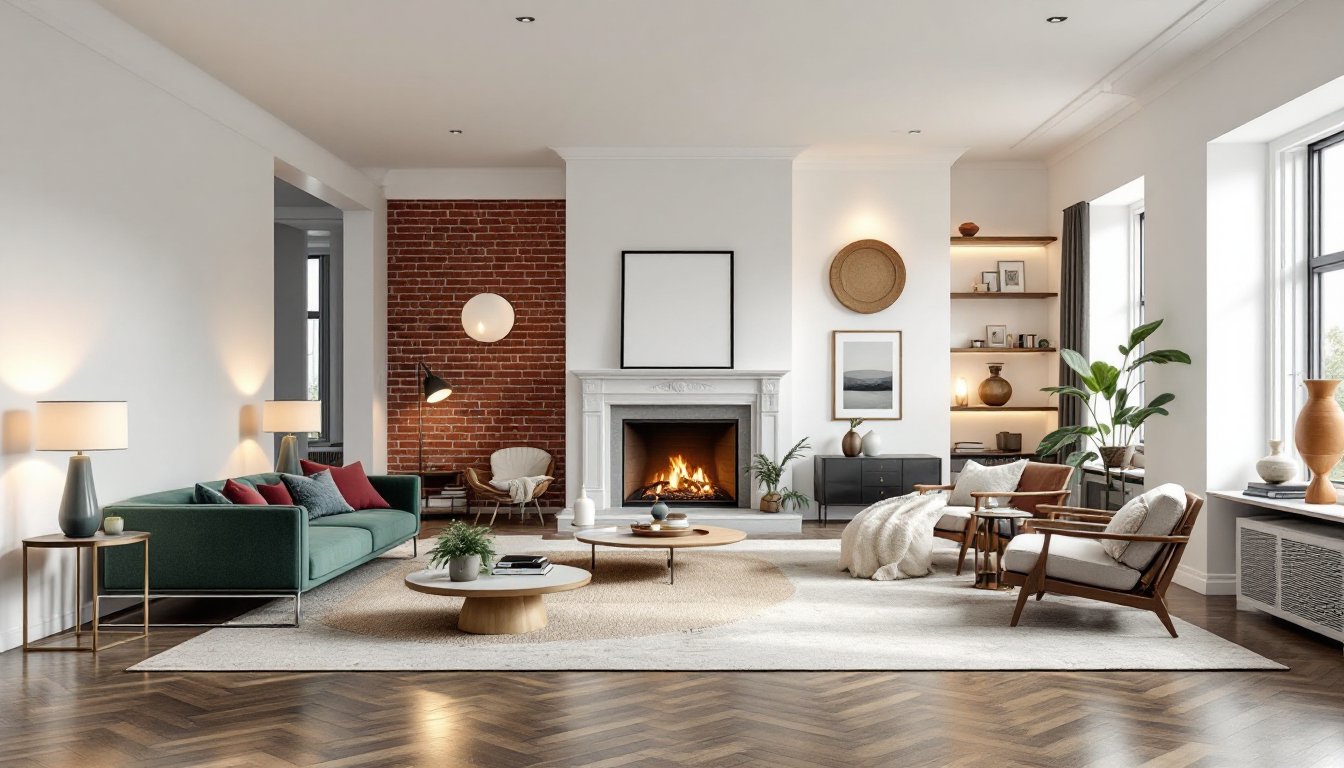
Walking into a home and feeling something click, that’s the power of interior design style. Whether you’re staring at bare walls in a new place or ready to refresh a tired room, knowing which design direction fits your life makes all the difference. There’s no single “right” way to decorate: instead, there are established styles that range from sleek and minimal to warm and layered. This guide breaks down the major interior design types you’ll encounter, explains what makes each one distinct, and helps you figure out which one (or mix of several) speaks to your taste and daily life. By the end, you’ll have a clearer sense of where to start with your next project.
Table of Contents
ToggleKey Takeaways
- Modern and contemporary design prioritize clean lines and minimalism, while traditional design emphasizes warmth, symmetry, and historical period furnishings—choose the interior design type that matches your emotional preferences and lifestyle demands.
- Minimalist and industrial design reward thorough prep work; minimalist spaces require flawless walls since imperfections show, while industrial spaces celebrate exposed structural elements like brick, steel, and concrete.
- Eclectic and transitional design allow you to blend styles intentionally, with transitional design offering a more polished approach that bridges traditional and contemporary without demanding dramatic changes.
- Coastal and rustic design both rely on authentic materials—real linen, weathered wood, and stone matter more than synthetic alternatives—to create their distinctive calming or grounded atmospheres.
- Most successful homes blend 70–80% of one interior design style with 20–30% influence from another, allowing you to build a foundation with your preferred style and add personality through accent pieces.
- Start by identifying the emotional feeling you want (calm, warm, creative), notice which colors and materials naturally appeal to you, and test your design choices in one room for a month before committing fully.
Modern And Contemporary Design
Modern and contemporary are terms that often get mixed up, so let’s split them clearly. Modern design draws from early-to-mid 20th century movements, think clean lines, geometric shapes, and a focus on function. It embraces minimalism without the extreme austerity: a modern living room might have a low-slung sofa with chrome legs, a sculptural side table, and one statement lighting piece.
Contemporary design, on the other hand, simply means “of today.” It shifts and evolves as design trends move forward. Contemporary rooms tend to feel current, often pulling from multiple eras while keeping a sense of openness and simplicity.
Both styles favor:
• Neutral color palettes (whites, grays, blacks, earth tones) with occasional bold accent colors
• Minimal clutter and purposeful furniture placement
• Natural materials like wood, concrete, and glass
• Functional décor, pieces that look good and serve a purpose
• Open floor plans and unobstructed sight lines
When you’re looking to execute a modern space, start with wall prep. Clean paint in soft white or warm gray creates the foundation. Then layer in pieces thoughtfully rather than filling every corner. A modern bedroom works best when you’re willing to leave breathing room around the bed frame and nightstands. This style rewards restraint.
Modern Art Deco interior design offers another take on contemporary aesthetics, blending clean lines with geometric flair for homeowners who want something with a bit more personality.
Traditional And Classic Design
Traditional design is the comfort food of interior styles. It references period furnishings, Victorian, Colonial, Early American, or English country, and prioritizes warmth, symmetry, and a sense of history. A traditional living room feels like it could have existed a few decades ago and never gone out of style: paired lamps on side tables, a patterned area rug, rich wood furniture, and maybe a fireplace mantel as the focal point.
Classic design is similar but broader, it’s essentially the “timeless” approach that borrows the best principles from traditional without being tied to one era. You’ll see classical symmetry, quality materials, and neutral to warm colors.
Key markers of traditional and classic spaces:
• Rich color schemes: burgundy, forest green, cream, gold accents
• Wood furniture with detailed molding or carving
• Textiles with patterns: florals, damask, toile, plaids
• Layered lighting: ceiling fixtures, lamps, sconces
• Architectural details like crown molding, baseboards, and wainscoting
• Gallery walls and traditional artwork
If you’re moving toward a traditional aesthetic, crown molding makes an immediate impact. Installing quality crown molding isn’t a five-minute job, it requires a miter saw, caulk, and precise angle cuts, but it signals craftsmanship and permanence. Paired with warm paint (soft yellows, warm whites, or muted reds) and intentional furniture arrangement, traditional spaces feel grounded and inviting.
This style works beautifully in dining room interior design where formality and gathering naturally belong.
Minimalist And Industrial Design
Minimalist design strips everything down to essentials. It’s not cold or empty, it’s intentional. Every piece serves a purpose or brings genuine joy. The philosophy comes from the Japanese concept of ma (negative space) and the “less is more” ethos. A minimalist kitchen doesn’t hide clutter in cabinets: it simply doesn’t have clutter to hide.
Industrial design takes the opposite visual approach but shares minimalism’s honesty. It celebrates raw materials, visible structure, and the “bones” of a building. Exposed brick, steel beams, concrete floors, and Edison-style bulbs are hallmarks. Industrial spaces often look like converted factories or lofts, because that’s their origin.
Minimalist rooms feature:
• White, gray, or monochromatic walls
• Negative (empty) space as intentional design
• Functional furniture with no ornamentation
• Hidden storage to maintain clean lines
• Few decorative objects: those present have meaning
Industrial spaces feature:
• Exposed structural elements: brick, steel, concrete
• Metal fixtures, piping, and hardware
• Reclaimed or raw wood
• Utilitarian lighting: pendant lights, track lighting
• Large windows and open layouts
Both styles reward thorough prep work. For minimalist painting, walls must be perfect, every imperfection shows. For industrial spaces, you may need to expose brick or leave structural elements visible, which requires careful demolition and cleaning. Neither style hides mistakes.
Industrial design pairs well with home office interior design when you’re building a workspace that feels creative yet focused.
Eclectic And Transitional Design
Eclectic design is the permission slip to break rules. It mixes eras, styles, and cultural influences intentionally, a Victorian chair next to a mid-century side table, bohemian textiles alongside industrial shelving. The key word is intentional. Random clutter isn’t eclectic: thoughtful, curated mix is.
Transitional design is eclectic’s more polished sibling. It bridges traditional and contemporary: neutral walls, classic furniture silhouettes, modern simplicity in layout, and a blend of old and new pieces. It’s the design equivalent of dressing in quality basics with one statement accessory.
Eclectic spaces showcase:
• Multiple color palettes working together
• Vintage and new furniture side by side
• Bold artwork and collected pieces
• Varied textures: wood, metal, fabric, ceramic
• Cultural references from different traditions
Transitional spaces feature:
• Neutral backgrounds (warm whites, soft grays, warm taupes)
• Familiar furniture shapes in updated materials
• Balanced mix of traditional and contemporary pieces
• Subtle pattern and texture, not bold prints
• Clean lines with some traditional detailing
The hardest part of both styles is restraint. With eclectic design, you can go overboard fast. Build a color story first, decide if your palette will be jewel tones, pastels, or a warm-and-cool mix, then choose pieces that fit. Transitional design works in most homes because it doesn’t demand dramatic changes. You can live with traditional furniture, paint walls a soft gray-beige, and add a few contemporary lighting fixtures to shift the feel.
Modern home interior design provides another framework if you’re drawn to blending styles but want more structure.
Coastal And Rustic Design
Coastal design brings the beach indoors: light, airy, and centered on calming blues, whites, and sandy neutrals. It’s inspired by seaside homes and vacation mentality. Weathered wood, natural fibers, and a lived-in (but clean) feeling define the vibe. A coastal bedroom might have whitewashed furniture, linen bedding, jute accents, and a palette of blue and cream.
Rustic design celebrates natural materials, weathering, and a connection to the land. It includes lodge style, farmhouse, and cabin aesthetics. Reclaimed wood, stone, leather, and a warm color palette (warm browns, deep greens, burnt orange) ground rustic spaces. Rustic rooms feel collected and timeless rather than trendy.
Coastal design includes:
• Light, bright color palette: whites, creams, soft blues, sea greens
• Natural textures: linen, jute, rattan, rope
• Weathered and whitewashed wood
• Beach-inspired décor: driftwood, shells, nautical art
• Relaxed, uncluttered feel
Rustic design includes:
• Warm, earthy colors: browns, creams, rust, deep greens
• Raw or reclaimed wood with visible knots and grain
• Stone, leather, and wrought iron
• Handcrafted and vintage pieces
• Cozy, gathered atmosphere
Both styles benefit from authentic materials. In coastal design, real linen curtains and jute rugs matter more than synthetics that approximate them. For rustic spaces, genuine reclaimed wood (or aged-look alternatives) and real stone create the foundation. Paint color is crucial: coastal rooms need crisp whites or warm creams: rustic spaces need deeper, earthier tones.
Coastal aesthetics shine in cozy cottage interior design, where comfort and relaxation anchor the entire approach. Rustic elements also work across living room home interior design when you’re building a gathering space that feels warm and grounded.
Choosing Your Interior Design Style
Now that you’ve met the major styles, how do you pick? Start by asking yourself a few questions:
What feeling do you want when you walk into a room? Calm and open? Warm and layered? Creative and eclectic? That emotional anchor matters more than any specific style name.
What materials and colors naturally appeal to you? If you consistently reach for warm wood tones and soft fabrics, modern stark white might fight against your instincts. If you love clean lines and empty space, traditional damask wallpaper will exhaust you.
How much time do you want to spend maintaining and styling the space? Minimalist and modern spaces demand ongoing tidiness and editing. Eclectic and traditional spaces are more forgiving of collected items and texture.
What does your lifestyle demand? Families with young kids often do better with rustic or transitional (forgiving, layered, durable) than minimalist (every toy and crumb shows). Folks who work from home benefit from the clarity and focus of modern or industrial design.
The good news: you don’t have to commit to one pure style. Most successful homes are 70-80% one style with 20-30% influence from another. Someone might build a modern foundation (neutral walls, clean furniture, open layout) and add eclectic accents (vintage artwork, collected textiles, cultural pieces) for personality.
Start with one room. Paint walls, establish your core furniture, and live with it for a month before adding accessories. This teaches you what actually works for your daily life rather than what looks good in a magazine photo. Resources like Dwell’s interior inspiration gallery and design sites like Decoist offer thousands of real examples. Scroll, collect screenshots of rooms that resonate, and notice which styles show up repeatedly. That’s your answer.
Interior home design is eventually a personal expression. Your space should work for you first and impress others second.
Conclusion
Interior design styles aren’t restrictions, they’re frameworks. Modern, traditional, minimalist, industrial, eclectic, coastal, and rustic each offer a distinct language for arranging a home. The smartest move is to understand what each style values, then borrow liberally from the ones that match your life and taste. Start small, trust your instincts, and remember that the best designed space is one you actually enjoy living in, not one that performs well on social media.