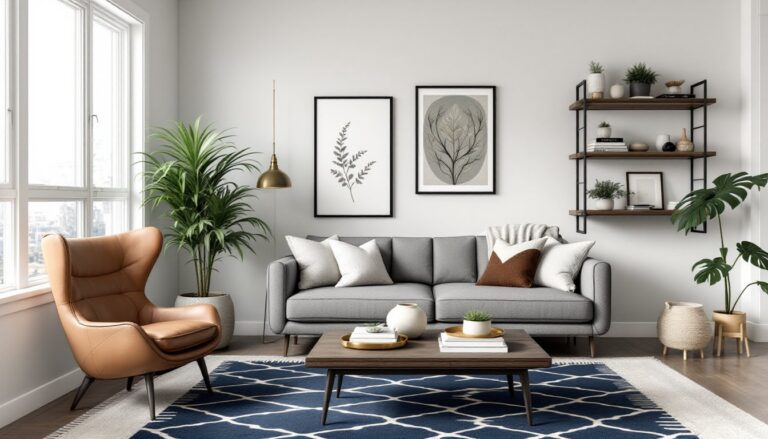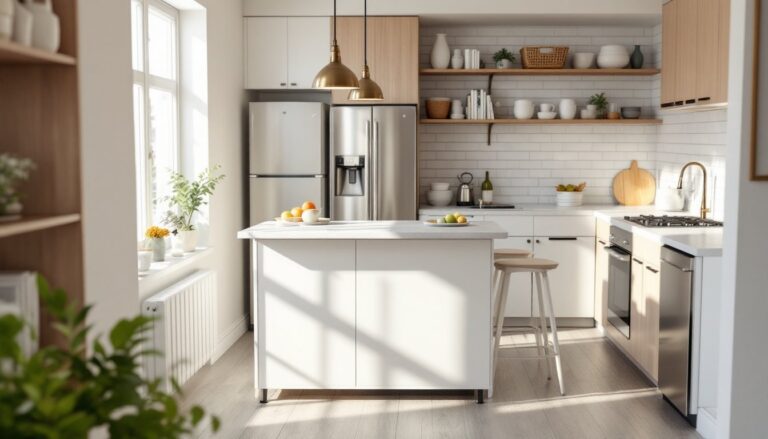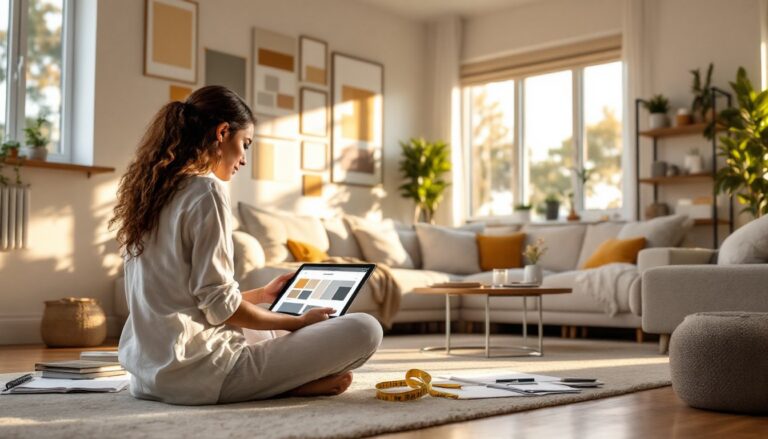
Interior design shows have become the go-to source for homeowners and DIY enthusiasts looking to breathe new life into their spaces. Whether you’re watching professionals tackle full-home renovations or exploring the latest design trends on screen, these shows offer actionable inspiration you can actually carry out yourself. The beauty of interior design shows lies in their practical approach, they break down complex design decisions into manageable steps, showcase real materials and textures, and demonstrate how specific design choices impact a room’s functionality and aesthetic. For DIYers, this means seeing both the successes and occasional missteps of experienced designers, all from the comfort of your couch. In 2026, the influence of these shows on home improvement has never been stronger, with millions turning to their favorite programs for project ideas, color schemes, and the confidence to tackle their own transformations.
Table of Contents
ToggleKey Takeaways
- Interior design shows demystify the design process by showcasing real decision-making, material selection, and problem-solving that DIY homeowners can apply to their own projects.
- Contemporary design trends featured on interior design shows include warm neutrals, layered lighting, natural materials, and multifunctional furniture that make home transformations feel more accessible.
- Translating interior design show concepts into your space requires testing samples in your actual environment, taking measurements, and assessing existing architecture before making changes.
- Building a personal style guide by collecting images and identifying common threads from your favorite shows prevents design chaos and ensures cohesive, intentional choices across your home.
- Professional designers’ approach of starting with a room’s bones and working within real constraints offers a roadmap for DIY enthusiasts to achieve high-impact designs without expensive professional help.
Why Interior Design Shows Matter for DIY Homeowners
Interior design shows serve a unique purpose in the DIY world, they’re part inspiration, part education, and entirely motivational. When you watch a designer assess a room’s bones, measure for scale, and work within real constraints (budget, timeline, existing structure), you’re learning the decision-making process behind good design. That’s invaluable for homeowners tackling their own projects.
These shows demystify concepts that might otherwise feel intimidating. You see how a designer chooses paint colors by holding samples against walls in different lighting conditions. You watch them source materials, compare options, and make trades based on function and budget. Most importantly, you realize that skilled design isn’t magic, it’s a series of intentional choices grounded in understanding your space and goals.
For DIY enthusiasts specifically, interior design shows provide a roadmap without the design-school tuition. They teach proportion, color theory, spatial planning, and material selection through real examples. You can pause, rewind, and take notes on techniques that apply to your project, whether that’s coordinating a small bathroom remodel or reimagining an entire living area. The projects featured often include the struggles and solutions, not just the polished reveal, and those moments teach the most.
The Most Inspiring Interior Design Shows for Home Improvement Ideas
The landscape of interior design shows has expanded dramatically, with options ranging from transformation-focused programs to deep dives into specific design philosophies. HGTV remains a heavyweight in the space, offering everything from budget-conscious makeovers to high-end renovations. Shows on this network often emphasize the “before and after” impact, which helps you visualize what’s possible in your own home.
On platforms like Homedit, you’ll find curated design ideas and room transformations that focus on authentic style rather than trend-chasing. These resources highlight how real people live in beautifully designed spaces, offering a more grounded perspective than purely commercial programming. Meanwhile, Design Milk appeals to those interested in contemporary furniture and modern design aesthetics, showcasing innovative products and design solutions that influence how homes are styled today.
Beyond streaming, traditional broadcast shows still deliver excellent DIY-applicable content. Shows featuring professional organizers teach you how to work with what you have, a skill every homeowner needs. Other programs focus on budget-friendly transformations, proving that high-impact design doesn’t require deep pockets. The key is choosing shows that align with your taste and the scope of your project.
Contemporary Design Trends You’ll See on Screen
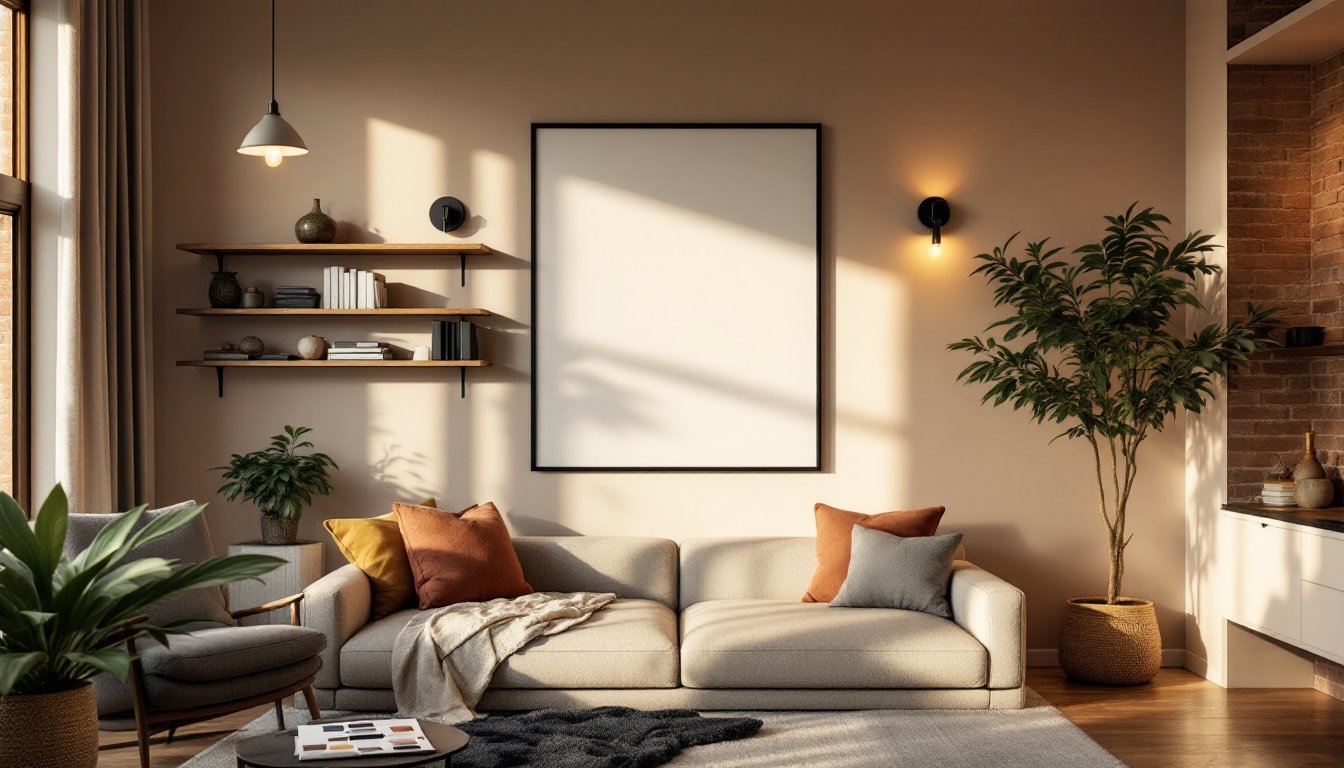
In 2026, several design movements are prominent across interior design shows. Warm neutrals are replacing cool grays, think terracotta, warm beige, and soft taupe walls creating cozier, more inviting spaces. Layered lighting is another trend you’ll spot repeatedly, with designers using multiple light sources (pendant lights, wall sconces, table lamps) to create ambiance and functionality rather than relying on a single overhead fixture.
Natural materials and visible texture are also having a major moment. You’ll see designers celebrating wood grain, exposed brick, stone accents, and textured fabrics rather than hiding them behind modern finishes. This trend makes DIY projects feel more accessible, imperfections in materials and finishes become design features rather than flaws. Multifunctional furniture and built-in storage continue to dominate, especially in smaller spaces where every piece must earn its place. Many shows now highlight sustainable choices, demonstrating how to incorporate reclaimed materials, second-hand finds, and eco-conscious products into cohesive designs.
How to Apply Interior Design Show Concepts to Your Own Projects
Watching interior design shows is one thing: translating what you’ve learned into your own space requires intentional steps. Start by identifying specific scenes or room transformations that speak to you, then ask yourself why. Did you love the color palette, the furniture arrangement, the lighting scheme, or the overall mood? Understanding what resonates helps you extract principles you can adapt rather than copying a design outright.
Next, assess your own space honestly. Professional designers always begin with what they’re working with, existing architecture, natural light, room dimensions, and current furniture. Take measurements, note where light enters at different times of day, and identify what stays versus what goes. This mirrors the diagnostic approach you see on every professional design show.
When choosing materials or colors inspired by a show, buy samples and test them in your space. Paint a large swatch on your wall and observe it throughout the day. Bring home fabric or wood samples. This step separates shows from reality, screen colors and textures look different under studio lighting than they will in your actual room. Document the specific products used on your favorite shows (designers often share product lists online), then source comparable items that fit your budget and style.
For layout changes, start with a simple floor plan sketch. Measure your space, note outlets and architectural features, then arrange furniture on paper before moving anything physical. This is exactly what designers do, and it saves you the back strain and buyer’s remorse. If you’re tackling interior design ideas for home, use shows as reference points for how different zones can work together functionally and aesthetically. For structural changes, walls, electrical, plumbing, consult home design interior resources or a professional to understand what requires permits or licensed work in your jurisdiction.
Creating Your Personal Style Guide From Your Favorite Shows
One of the smartest tactics DIYers extract from interior design shows is the process of building a personal style guide. Instead of approaching each project in isolation, successful homeowners create a cohesive visual reference that travels with them from room to room.
Start a digital or physical collection of images, color palettes, furniture styles, and finishes you’re drawn to from your favorite shows. Note the common threads, do you consistently gravitate toward warm or cool tones? Are you drawn to minimalist spaces or do you prefer layered, eclectic looks? Do you love modern furniture or traditional pieces? This reveals your authentic style, which matters far more than chasing whatever’s trendy this month.
Once you’ve identified your preferences, document them. Create a Pinterest board, a folder of screenshots, or even a simple mood board using paint chips, fabric swatches, and magazine cutouts. Include notes on why each image appeals to you. When it’s time to make decisions, choosing paint colors, selecting modern home interior pieces, or planning a layout, you have a reference system that keeps your choices cohesive and intentional.
This approach also prevents the “design chaos” many homeowners experience when they pick colors and furniture impulsively. By grounding decisions in a personal style guide informed by designs you admire, you’re more likely to create a home that feels authentically yours rather than a disconnected collection of borrowed ideas. Shows teach this indirectly, you notice how professional designers maintain consistency while adding personality. That’s the goal for your personal projects too.
Conclusion
Interior design shows offer far more than entertainment, they’re a free masterclass in how to think about your space, make intentional choices, and transform rooms with purpose. By watching critically, testing ideas in your own environment, and building a personal style reference, you can move beyond “inspired by a show” into genuinely executing designs that work for your home and life. The key is remembering that the real design magic happens when you adapt what you’ve learned to your unique constraints, preferences, and needs.