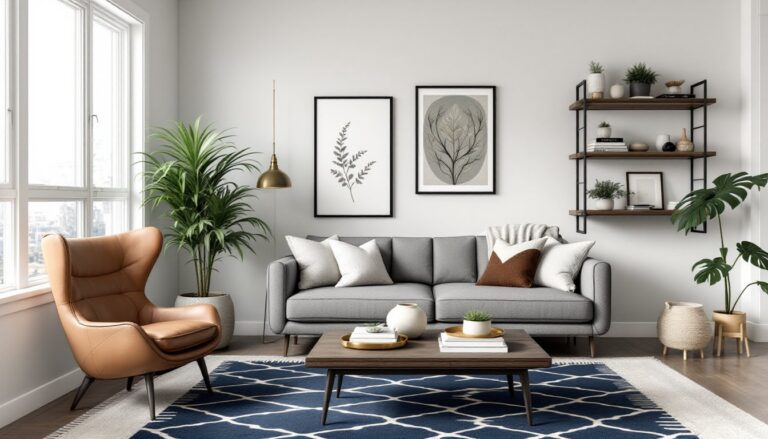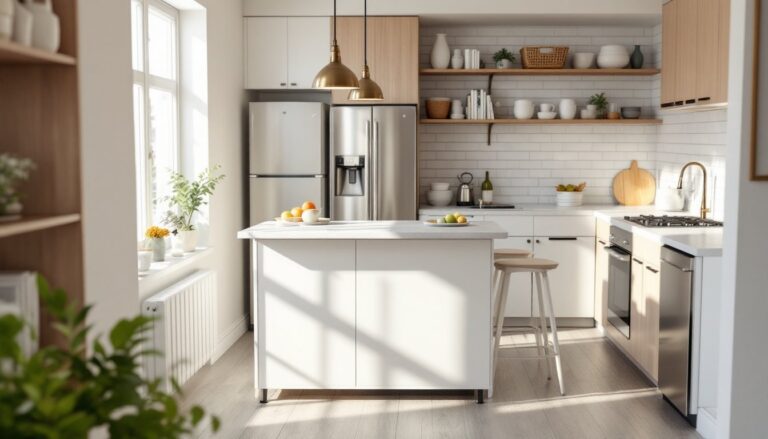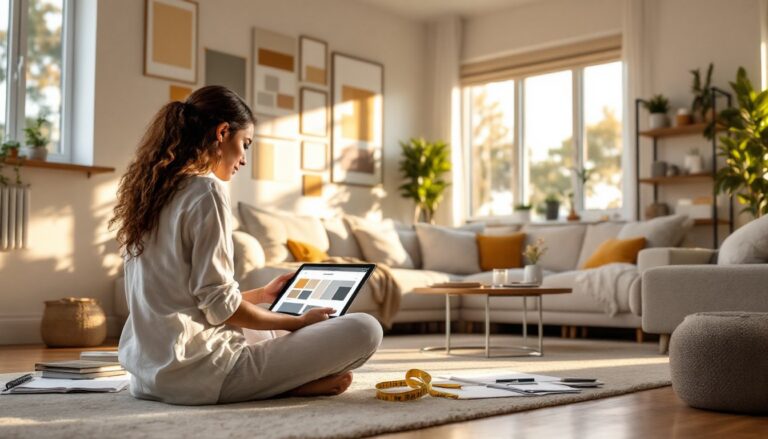
Netflix has become a goldmine for anyone craving design inspiration, and it’s not just passive watching anymore. Whether you’re planning a kitchen overhaul, reimagining your bedroom, or tackling a complete living room redesign, the platform’s collection of interior design shows delivers real techniques, genuine transformations, and actionable ideas you can steal for your own space. From organizational systems to professional makeover tactics, these shows prove that expert-level design inspiration is now streaming at your fingertips. The best part? You don’t need to hire a designer, you just need to pay attention, take notes, and roll up your sleeves.
Table of Contents
ToggleKey Takeaways
- Netflix interior design shows provide actionable, step-by-step techniques and real transformations that DIYers can adapt to their own spaces without hiring a professional designer.
- Shows like Queer Eye and The Home Edit emphasize the practical psychology of design—making spaces reflect your lifestyle and personality rather than following cookie-cutter trends.
- Interior design competition formats like Interior Design Masters reveal professional problem-solving strategies, color theory, spatial planning, and budget prioritization that apply to any-scale project.
- Never Too Small demonstrates that compact living doesn’t limit design ambition; smart spatial planning, multifunctional furniture, and strategic color choices maximize tiny apartments and studios.
- Transform inspiration into execution by taking detailed notes on specific techniques, creating visual boards, breaking projects into actionable layers, and adapting designs to your actual lifestyle and budget.
- Netflix interior design shows normalize the messy reality of home improvement—unexpected pivots, hidden issues, and budget constraints—making them far more relatable than glossy magazine photos.
Why Netflix Interior Design Shows Are Perfect for DIY Inspiration
Netflix’s interior design shows work differently than glossy magazines or Pinterest feeds. Real designers tackle actual problems, tight budgets, awkward layouts, cluttered spaces, and show you step-by-step how they solve them. You see the before, the mistakes, the pivots, and the final result. That’s gold for DIYers.
These shows also normalize the messiness of real home improvement. They show you that professionals sometimes rip out drywall mid-project, swap their initial plan, or discover hidden issues once they start demo work. That mirrors your own experience far better than a finished showroom photo.
Another advantage: you can pause, rewind, and study specific techniques. A designer’s tiling method, a paint color palette, a storage hack, you can watch it multiple times without missing a detail. The best programs feature interior design competition shows that pit professionals against each other, raising the bar for creativity and execution. Watching how pros approach constraints and deadlines teaches you how to think like a designer when you’re standing in your own space with a measuring tape.
Queer Eye: Life-Changing Makeovers Beyond Just Design
Queer Eye isn’t purely about interior design, it’s about transformation. But the design element is stunning and deeply practical. Each episode features Antoine David (the design expert in the “Fab Five”) completely reimagining someone’s home in days, often starting from a space that’s either neglected, cluttered, or outdated.
What makes Queer Eye’s design approach valuable for DIYers is its focus on emotion and function. Antoine doesn’t just make spaces pretty: he makes them reflect who the person is and how they actually live. A living room becomes a welcoming hub. A bedroom transforms into a sanctuary. These aren’t cookie-cutter designs, they’re personalized solutions.
You’ll see practical moves like strategic paint colors, furniture arrangement to maximize flow, lighting choices that change everything, and the power of removing clutter before you redecorate. The team often works within tight budgets and real-world constraints (bad plumbing, small rooms, dated fixtures), which means the solutions are replicable. Antoine’s finishing touches, styling shelves, layering textiles, choosing artwork, show how small decisions compound into a cohesive aesthetic.
The Home Edit: Organization and Styling Mastery
The Home Edit (created by organizers Clea Shearer and Joana Teplin) is less about gutting spaces and more about editing what you have. Their philosophy: a well-organized, styled home feels bigger, calmer, and more beautiful.
For DIYers, this show is a masterclass in before-and-after thinking. They tackle closets, kitchens, pantries, and living areas by first removing everything, sorting ruthlessly, and then reinstalling items in a logical, visually pleasing way. You learn how to use matching bins, label makers, and simple organizational systems to transform chaos into order.
The styling element is equally important. Once items are organized, the team layers textures, colors, and decorative objects to make functional storage look intentional and curated. A pantry isn’t just labeled containers, it’s a designed space. This approach teaches DIYers that good organization isn’t just about utility: it’s about creating a space you actually want to look at. The tactics are low-cost and high-impact: paint shelving, swap hardware, add lighting, adjust spacing. Many projects require no construction, just smart thinking and sweat equity.
Interior Design Masters: Professional Techniques You Can Apply
Interior Design Masters is a competition format where professional designers tackle residential briefs under time and budget constraints. What sets it apart is the transparency: you watch the entire design process from concept sketches to client presentations.
You’ll see how pros approach color theory, spatial planning, material selection, and budget allocation. A designer might choose a statement tile, pair it with neutral walls, and tie everything together with hardware and lighting choices. These aren’t theoretical lessons, they’re real decisions made by working professionals solving actual design problems.
The critiques from judges (often established designers and architects) are brutally honest. You learn what works, what falls flat, and why. If a Netflix interior design show hinges on competition, the stakes are high, which means the work is intentional and the commentary is detailed. For DIYers, this translates to understanding proportion, balance, how to use bold accents without overwhelming a space, and the importance of coherent finishing details. Even if your project is a single room, a designer’s approach to planning and problem-solving is worth stealing.
Never Too Small: Maximizing Compact Living Spaces
Never Too Small, hosted by designer Christiane Lemieux, focuses on small apartments and homes. If you’re working with a tight square footage, an apartment, a studio, a small bedroom, this show is essential viewing.
You’ll see how smart spatial planning, multifunctional furniture, vertical storage, and color choices make tiny spaces feel generous. Lemieux doesn’t use standard “small space” tricks that feel gimmicky: instead, she designs livable, beautiful homes that happen to be compact. A 400-square-foot apartment becomes genuinely comfortable, not just clever.
Key lessons include using light colors strategically, opening up sightlines, choosing furniture that serves double duty (storage benches, murphy beds, built-in shelving), and ensuring proper scale (smaller pieces in smaller rooms, not toy furniture). The show proves that square footage doesn’t limit design ambition, it just requires smarter choices. For renters or anyone without a sprawling home, this approach is a game-changer. Many of the solutions are non-permanent, rental-friendly improvements that don’t require permits or professional contractors.
How to Use Netflix Design Shows to Plan Your Own Projects
Watching is fun, but translating inspiration into action requires a system. Start by identifying your project type and searching for relevant episodes. If you’re redoing a kitchen, watch episodes featuring kitchens and note specific techniques, color combinations, and layouts that appeal to you.
Take notes on what works. Write down paint colors, material choices (tile, countertop finishes, hardware styles), furniture arrangements, and lighting solutions. If a designer uses a specific color pairing or storage method, sketch it down. Screenshot or photograph scenes that resonate. Create a visual board, digital or physical, so you have a reference when you’re standing in your own space.
Next, break the design inspiration into actionable layers. Start with structural choices (layout, major finishes) before moving to furnishings and styling. This mirrors how pros approach projects and prevents costly mid-project pivots. Assess your budget realistically: a $50,000 kitchen redesign won’t directly apply if you’re working with $5,000, but the strategic thinking translates. Watch how designers prioritize: what gets premium investment, and where can you save? Finally, consider your actual lifestyle. A beautiful open-concept kitchen looks great on TV, but if you hate cooking odors spreading through your home, it’s not the right choice for you. The best inspiration is the kind you adapt to your reality, not the kind you force yourself into.
Conclusion
Netflix interior design shows are far more than entertaining background viewing, they’re free masterclasses in design thinking, spatial problem-solving, and the confidence to tackle your own space. Whether you’re drawn to organizational systems, professional design techniques, emotional transformations, or compact-space ingenuity, there’s a show that speaks to your project. The beauty is that you don’t have to copy any single aesthetic: instead, absorb the principles, understand why certain choices work, and apply that knowledge to your own walls. That’s how inspiration becomes execution. Start streaming, take notes, and give yourself permission to design a home that actually fits your life.