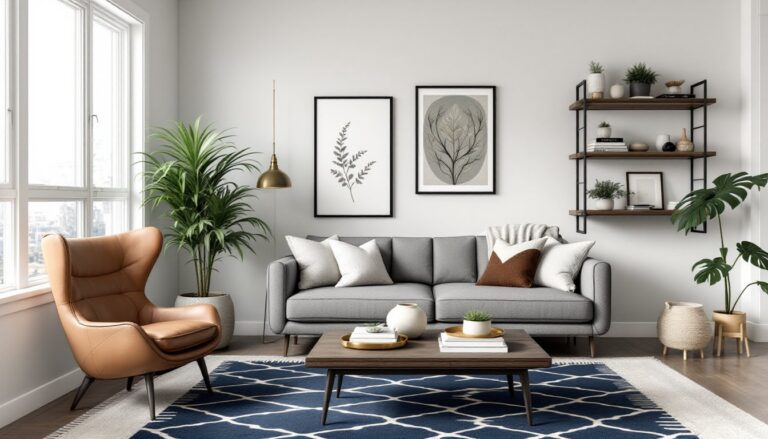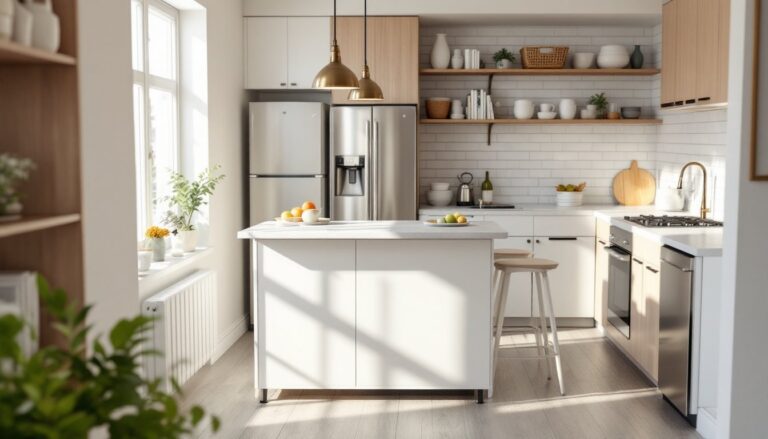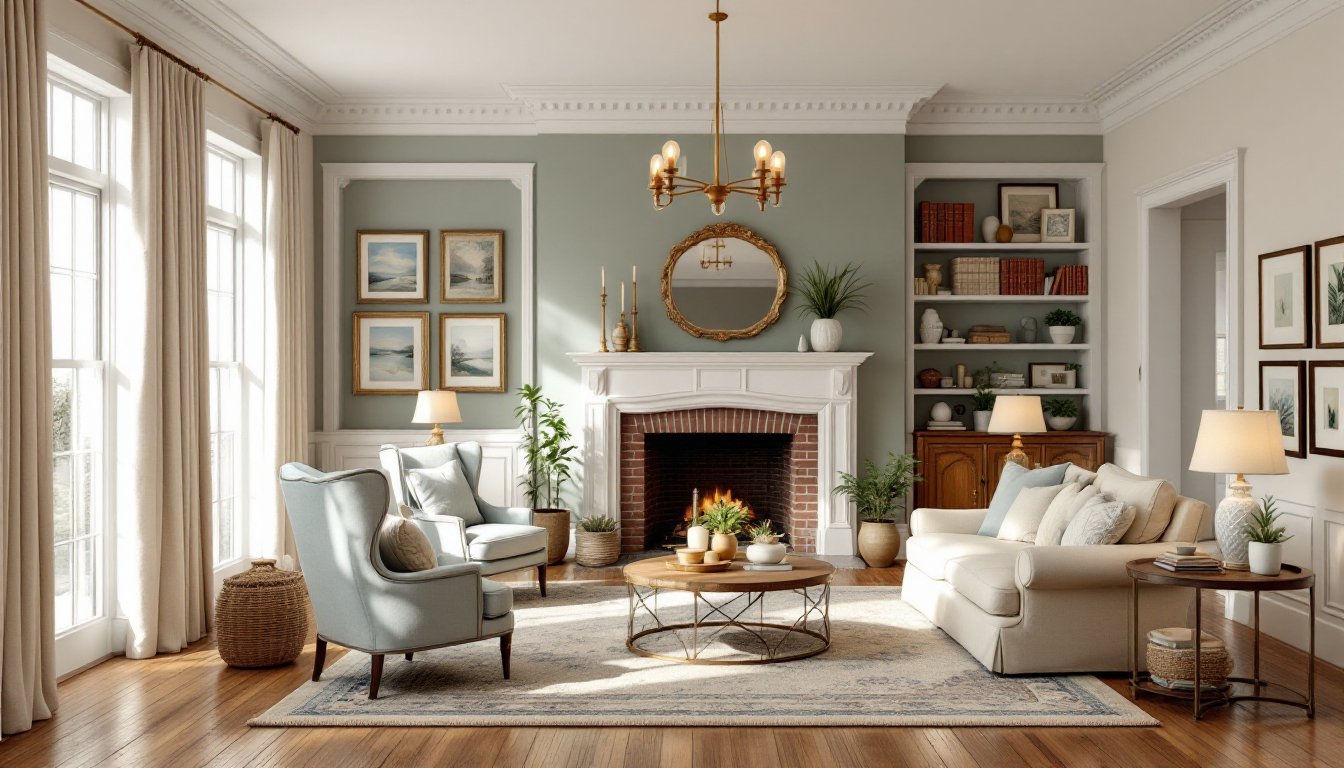
Southern interior design celebrates heritage, warmth, and graceful living, blending classic elegance with relaxed comfort. This style draws from the region’s rich architectural traditions, colonial influences, and a deep appreciation for handcrafted details and natural materials. Whether you’re renovating a historic farmhouse or bringing regional character into a modern home, southern design principles work across any space. The goal isn’t to recreate a museum piece but to capture the essence of hospitality, authenticity, and understated sophistication that define southern homes. This guide walks you through the core elements, from color choices to textiles and lighting, so you can build a cohesive, inviting space that feels genuinely yours.
Table of Contents
ToggleKey Takeaways
- Southern interior design balances classic elegance with relaxed comfort by respecting your home’s original architectural features and building authenticity through handcrafted details and natural materials.
- Choose warm neutrals like cream and antique white as your foundation, reserving muted jewel tones and soft pastels for accents through textiles, artwork, and single statement rooms.
- Invest in timeless furniture pieces with classic shapes—rolled-arm sofas, wingback chairs, and turned-leg tables—upholstered in natural fibers like linen and cotton that age gracefully in southern climates.
- Layer textiles intentionally by mixing neutral backgrounds with patterned elements like gingham, damask, and botanical prints to create visual richness while maintaining the refined southern aesthetic.
- Display vintage and antique pieces as intentional focal points—through gallery walls, collected mirrors, or mixed-era furniture combinations—rather than cluttering, which transforms found objects into the soul of southern design.
- Create warm, layered lighting using soft-bulb lamps, brass or crystal chandeliers, and dimmer switches to establish the graceful, inviting atmosphere that defines southern interiors across every room.
Define Your Southern Design Aesthetic
Southern design isn’t one monolithic look. It ranges from plantation grandeur with high ceilings and formal symmetry to farmhouse simplicity with weathered wood and vintage finds. Before adding a single element, decide which direction resonates with your home and lifestyle.
Start by touring spaces that inspire you. Photography platforms and design publications like HGTV showcase real projects that help you identify what appeals: Do you gravitate toward ornate crown molding and damask patterns, or do stripped-down rooms with simple millwork feel more authentic to you? Classic southern design leans toward formality in main living areas but welcomes coziness in bedrooms and kitchens.
Consider your home’s bones. A 1970s ranch needs different treatment than a pre-Civil War cottage. Respect what’s already there, original hardwood floors, brick fireplaces, or period windows, and build your design around those anchors rather than fighting them. Authenticity trumps trend in southern design. Mismatched inherited furniture, a faded Oriental rug, and hand-me-down portraits aren’t flaws: they’re the foundation of character.
Color Palettes That Capture Southern Charm
Southern color schemes tend toward restraint and warmth. Think soft creams, warm whites with yellow undertones (not blue), pale greens, dusty blues, and muted terra-cotta or ochre. Saturated jewel tones, deep emerald, navy, burgundy, appear as accents through textiles or artwork, not as primary wall colors.
Warm Whites and Creams form the backbone of most southern interiors. These neutral backgrounds let architectural details, windows, and furnishings take center stage. Look for paint samples labeled “antique white” or “cream” rather than stark, cool whites, they feel lived-in and collected.
Accent Colors stay muted. Soft sage green, dusty blue-gray, or warm taupe work as secondary wall colors or for painted cabinetry. If you want bolder color, use it in a single room, a powder room painted deep blue or a bedroom in soft sage feels intentional, not jarring.
Test paint colors on large swatches and observe them throughout the day. Morning light and evening lamplight change how colors read. Design resources like House Beautiful regularly feature color guides that help demystify regional palettes. Avoid color trends that feel trendy: southern style endures precisely because it avoids viral fads.
Essential Furniture and Decor Elements
Southern interiors balance new and old, formal and relaxed. A sleek sofa plays well against an inherited sideboard: a modern pendant light hangs above a reclaimed wood table. The mix, done thoughtfully, prevents the space from feeling like a museum.
Furniture Fundamentals lean toward classic shapes: rolled-arm sofas, wingback chairs, turned-leg tables, and four-poster beds. These silhouettes stay timeless and adapt to different eras. Upholstery in linen, cotton, or linen-cotton blends feels authentic to the region’s climate and textile heritage. Dark wood, mahogany, walnut, or reclaimed pine, anchors rooms and provides contrast against light walls.
Key Pieces Worth Investing In:
- A quality sofa or sectional in neutral linen or linen blend
- A substantial dining table (wood is traditional: glass or metal tops can feel contemporary)
- Vintage or reproduction area rugs with muted patterns
- Bookshelves or built-in cabinetry (open shelving shows off collected items)
- Wood side tables and coffee tables rather than glass or metal
- Weathered or distressed wood accents, mantels, picture frames, architectural salvage
Vintage and Antique Pieces
Vintage and antique pieces are not optional in southern design, they’re the soul of it. These don’t have to be expensive. Estate sales, auctions, local antique shops, and thrift stores yield consistently authentic finds: oil paintings, brass candlesticks, cut-glass decanters, ceramic pitchers, worn leather books, and upholstered side chairs.
Display antiques intentionally. A collection of mismatched frames on a gallery wall tells a story. Vintage portraits (even of strangers, charm of the hunt) create depth and narrative. Mix eras: place a mid-century credenza beside a Victorian mirror. The key is restraint and arrangement. Cluttered overcrowding reads chaotic, not curated.
Textiles and Soft Furnishings
Textiles carry enormous weight in southern interiors. Fabric choices, whether curtains, upholstery, bed linens, or throw pillows, set the tone and comfort level of a room.
Fabric Selection favors natural fibers: linen, cotton, cotton blends, and wool. These age beautifully (a linen sofa softens and gains patina), breathe in humid southern climates, and feel tactile. Linen has a relaxed weave and slight irregularity that reads authentically lived-in. Avoid overly glossy synthetics or heavily treated, stain-resistant fabrics, they look slick and modern rather than timeless.
Patterns Worth Considering:
- Checks and gingham (classic, never dated)
- Subtle damask or toile (traditional but not fussy)
- Florals in muted palettes (chinoiserie, botanical prints)
- Stripes in cream and soft blue or green
- Solid weaves and textures (linen, cotton sateen, linen blend)
Layering textiles creates depth. Pair a neutral sofa with patterned throw pillows: hang solid linen curtains from a patterned valance: combine patterned bedding with solid wool blankets. The goal is richness without chaos.
Window Treatments tend toward simplicity: linen or cotton panels hung from a rod (wood rods feel warmer than metal), paired with shutters or roman shades for function. Avoid heavy swags or tassels unless your home’s era demands them. Let natural light in, southern interiors celebrate afternoon sun and the play of light on wood grain and fabric.
Bed linens and throws matter for both comfort and visual interest. High-thread-count cotton sheets, linen duvet covers, and vintage quilts layered at the foot of a bed create an inviting, collected look that says home, not hotel.
Lighting and Architectural Details
Lighting in southern design bridges function and mood. Layered lighting, overhead fixtures, lamps, and candlelight, prevents harsh shadows and supports the warm, graceful aesthetic.
Fixtures and Placement:
- Chandeliers in main rooms (brass, crystal, or wrought iron depending on era)
- Table lamps with fabric shades rather than stark glass or plastic
- Wall sconces flanking mirrors or artwork
- Soft, warm bulbs (2700K color temperature mimics candlelight)
- Dimmer switches to adjust mood and energy use
Skip trendy modern fixtures that clash with period details. A simple brass or bronze chandelier works across eras: a sleek chrome fixture ages poorly. Southern Living frequently showcases lighting solutions that balance traditional style with contemporary function.
Architectural Details like crown molding, chair rails, mantels, and hardwood floors anchor authenticity. If your home lacks these, restrained additions, simple baseboards, a mantel shelf, or wainscoting, add character without overdoing it. Exposed brick, beam ceilings, or original hardware are assets worth preserving. Paint woodwork in soft white or cream to brighten spaces and highlight craftsmanship. When restoring or installing new millwork, proportion matters: ceiling height and room size determine appropriate detail.
Fireplaces (working or decorative) become focal points. Dress mantels with a large mirror, candlesticks, potted plants, and meaningful objects, avoid cluttering. A well-decorated mantel tells a story without screaming for attention.
Bringing Southern Style Into Every Room
Different rooms call for tailored applications of southern design principles.
Living Rooms and Parlors set the formal tone. Symmetrical seating, a statement chandelier, layered rugs, and art-lined walls create spaces that welcome both everyday comfort and special occasions. A quality sofa, paired wingback chairs, a console table behind seating, and floor lamps with warm bulbs anchor the room.
Bedrooms shift toward restful simplicity. High-quality sheets, layered blankets, an upholstered headboard or simple wood frame, and soft lighting support good sleep. Vintage nightstands, woven baskets for storage, and understated artwork create calm.
Dining Rooms celebrate gathering. A substantial wood table, comfortable chairs with upholstered seats, a sideboard or hutch for displaying dishes, and a chandelier or hanging fixture overhead make dining room design both functional and beautiful. Place a large rug under the table (anchors the space, protects floors) and hang a mirror or artwork to expand the visual sense.
Kitchens and Bathrooms benefit from open shelving displaying everyday dishes, vintage-style hardware, subway tile or beadboard, and simple wood cabinetry. Even utilitarian spaces feel warmer with thoughtful choices.
Living Spaces Overall work better when home interior design ideas reflect your actual lifestyle. A room filled with books, family photos, and inherited furniture reads honest and lived-in, which is precisely the point. Southern design celebrates the visible marks of a full life, not pristine perfection.