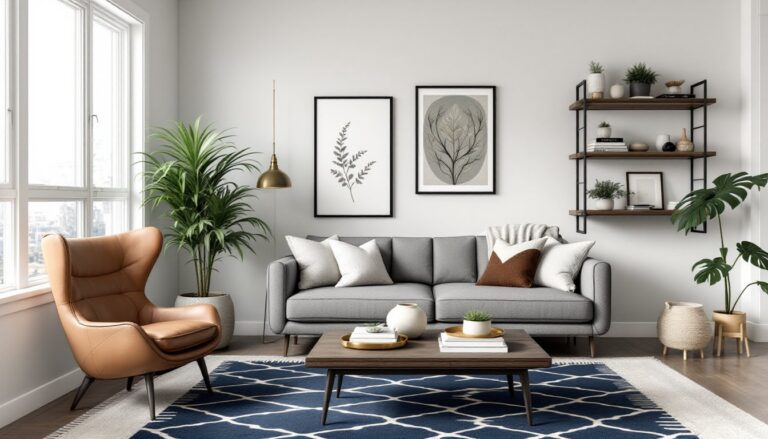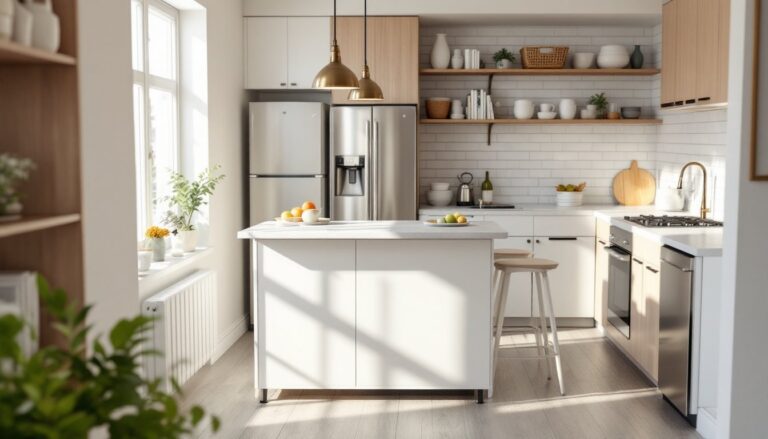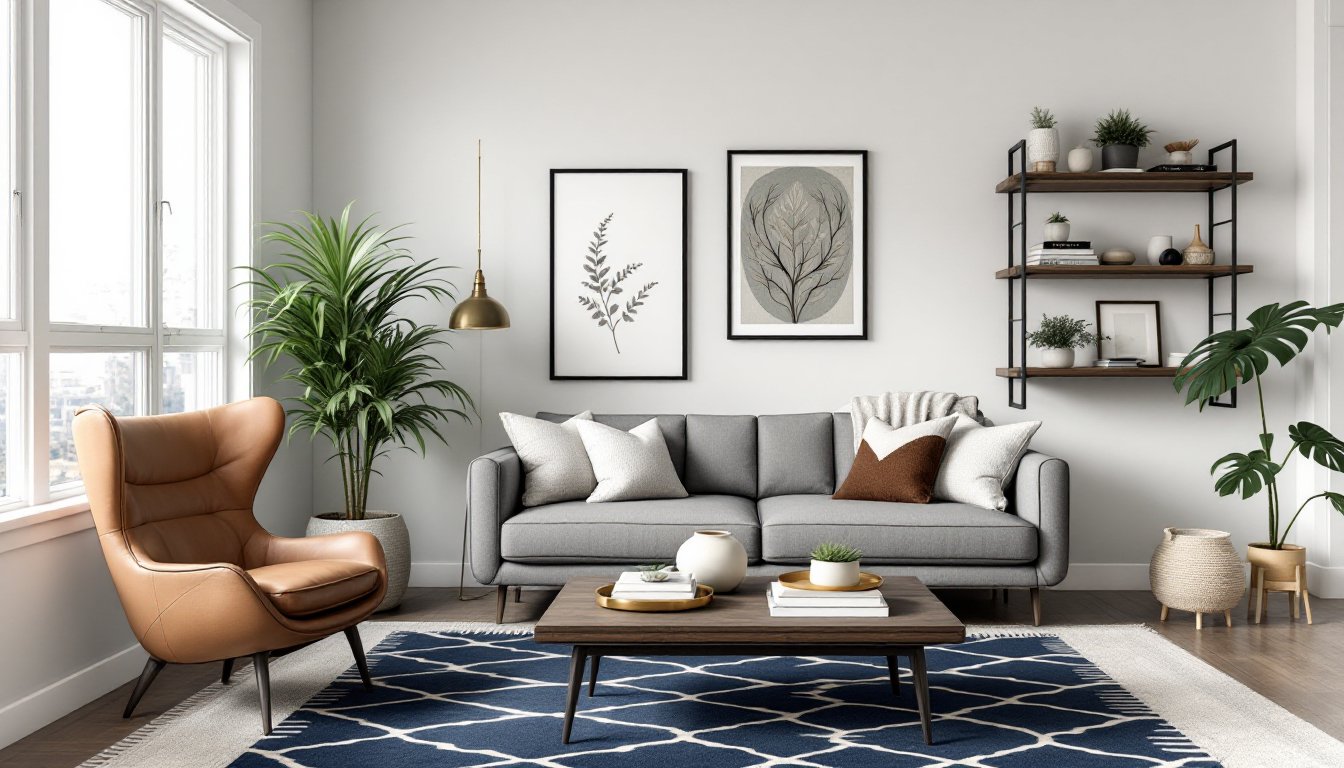
Modern eclectic interior design isn’t about following a single rulebook, it’s about fearlessly combining pieces, eras, and influences into a cohesive space that tells your story. In 2026, homeowners are ditching the cookie-cutter approach and embracing layered, thoughtfully mixed interiors that feel both curated and lived-in. Whether you’re drawn to mid-century furniture paired with industrial lighting or bohemian textiles anchoring a contemporary room, eclectic design celebrates personality over perfection. This guide walks you through the principles, selection process, and practical steps to build a modern eclectic interior that’s authentically yours, without the design school tuition.
Table of Contents
ToggleKey Takeaways
- Modern eclectic interior design blends multiple eras and aesthetics with intentional restraint, ensuring every piece serves a purpose rather than creating visual chaos.
- Establish a dominant aesthetic as your anchor, then layer in statement pieces and global textiles using a cohesive color palette of 2–3 primary colors to maintain harmony.
- Mix patterns, wood tones, and styles by repeating design elements like shared colors, materials, and finishes across the room to create visual threads that unify disparate pieces.
- Source furniture and accessories gradually from estate sales and vintage shops rather than impulse buying, ensuring each addition aligns with your defined palette and existing collection.
- Edit ruthlessly and leave breathing room on walls and shelves—eclectic design succeeds through curation, not clutter, making your space feel intentional and personally authentic.
- Test design decisions before committing by living with colors and furniture placement for a week, preventing costly mistakes and ensuring genuine satisfaction with your eclectic interior.
What Is Modern Eclectic Interior Design?
Modern eclectic interior design blends elements from multiple aesthetics, time periods, and cultural influences while maintaining visual harmony through intentional curation. Unlike maximalism, which embraces chaos, or boho-chic, which leans heavily toward vintage and handcrafted, eclecticism is selective, each piece has purpose and contributes to an intentional whole.
At its core, modern eclectic design respects contemporary clean lines and functionality while layering in unexpected textures, colors, and forms. You might pair a sleek glass coffee table with a vintage Persian rug, hang industrial pendant lights above a reclaimed wood dining table, or mix geometric modern art with ornate thrifted mirrors. The key difference from earlier decades’ eclectic approaches is the restraint and intentionality. Nothing feels forced or purely decorative: every element earns its place.
This approach works particularly well for homeowners who’ve accumulated meaningful pieces over time or who feel constrained by trend-driven design. It’s also practical for those with genuine mixed tastes, the person who loves Scandinavian simplicity but can’t resist a statement velvet armchair or ornate brass fixtures. Modern home interior design frameworks provide excellent foundations for understanding how contemporary elements work together, and eclectic design extends that thinking by selectively breaking the rules.
The appeal is deeply personal: eclectic spaces are harder to replicate because they reflect individual taste and history rather than Instagram templates.
Core Principles for Mixing Styles Seamlessly
Successfully blending styles requires understanding a few foundational rules that prevent your space from feeling chaotic.
Establish a dominant aesthetic. Choose one style to anchor the room, perhaps modern, transitional, or industrial. This becomes your baseline, and everything else plays off it. A living room might be primarily mid-century modern in furniture silhouettes, then layered with global textiles and vintage lighting. Without this anchor, the space drifts into visual confusion.
Create visual threads. Repeat design elements across the room to tie disparate pieces together. Common threads include color palettes, material families (brass and wood, for instance), or finish styles (matte vs. polished). If your eclectic seating includes a vintage leather wingback and a modern geometric sectional, tie them together with coordinating throw pillows in a shared color palette.
Respect scale and proportion. A tiny pendant lamp won’t balance a sprawling sofa, and an oversized abstract painting will dwarf a compact gallery wall. Mix sizes, vary artwork dimensions, furniture footprints, and decorative object heights. This prevents the space from feeling monotonous or awkwardly proportioned.
Layer, don’t crowd. Eclectic doesn’t mean every surface is covered. Leave breathing room. Strategic blank walls, clear floor space, and edited shelving make curated collections feel intentional rather than cluttered.
Color and Pattern Balance
Color is where eclecticism either sings or screams. The most successful eclectic spaces work within a cohesive color story, often two to three primary colors with supporting accents.
Start by choosing a neutral base that anchors the room, such as warm white, soft gray, or taupe walls. This gives busy, mixed furniture room to breathe. Then introduce a primary color (say, sage green or navy blue) through larger pieces like sofas or area rugs. Layer in secondary colors and patterns through smaller items, pillows, artwork, plants, and accessories.
Pattern mixing requires equal caution. Combine patterns of different scales: a small geometric print with a larger botanical pattern, a solid with a stripe. Ensure they share at least one color so they feel intentional. A navy-and-white striped pillow next to a navy-and-gold damask cushion works because they share navy: otherwise, they’d feel random.
Resist the urge to use every color you love. Constraint creates harmony. Articles about eclectic modern design showcase successful schemes because the designers limited their palettes, even when mixing eras.
Selecting and Combining Furniture Pieces
Building an eclectic furniture collection takes time and intention. Rather than buying a complete bedroom set or living room suite, you’re curating individual pieces that work together.
Start with staples. Invest in quality foundational pieces in neutral tones: a solid-colored sofa in gray or caramel, a simple dining table, a bed frame without excessive ornamentation. These anchor the room and absorb statement pieces.
Source statement seating. This is where personality enters. A vintage wingback chair, a mid-century Eames-style lounger, or a bold upholstered ottoman adds visual interest without overwhelming the space. These pieces can introduce color, texture, or form that wouldn’t work in a full suite.
Mix wood tones intentionally. Dark walnut, light oak, and honey-toned pieces can coexist if you’re intentional. The trick is using them repeatedly, if you have a walnut coffee table and walnut dining chairs, that’s intentional pairing. A walnut table with oak shelving with maple trim looks accidental unless tied together with consistent hardware or styling.
Consider scale variations. Balance a large statement sofa with smaller accent chairs. Vary shelf styling, combine floating shelves with closed cabinetry. This layered approach feels more eclectic than uniform built-ins.
Finding Cohesion Across Eras and Influences
Cohesion comes from intentional repetition and clear decision-making about what belongs.
Choose 2–3 design eras or aesthetic families to draw from. If you love mid-century modern and industrial design, build from those vocabularies, tapered legs, clean lines, exposed materials, bold geometric shapes. Add global textiles and vintage finds as accents that enhance rather than contradict this foundation.
Dining room interior design often benefits from eclectic approaches, a mix of dining chairs, a vintage credenza, and contemporary lighting feels more collected than matched. Similarly, living room home interior design allows for varied seating while maintaining cohesion through color and material choices.
Sourcing is crucial. Estate sales, vintage shops, and online marketplaces offer one-of-a-kind pieces, but buy thoughtfully. Before purchasing, ask: Does this share materials, colors, or forms with what I already have? Will it anchor or enhance? Impulse buys, even lovely ones, often don’t integrate.
Accessorizing Your Eclectic Space
Accessories are where eclectic design truly emerges. Once furniture is in place, styling with smaller items creates the layered, collected feeling that defines the aesthetic.
Curate artwork intentionally. Mix original pieces with prints, photography, and found objects. Vary frame styles, a sleek black metal frame next to a carved wood frame next to an unframed floating print. Hang them salon-style if you enjoy that look, but ensure there’s a unifying element: a consistent color within each piece, or spacing that creates rhythm.
Incorporate global textiles. Moroccan poufs, Turkish rugs, Indian quilts, or African woven baskets add texture, color, and cultural richness. Layer them without overwhelming, one statement rug anchors a room better than three competing patterns. Use throws and pillows to add textile warmth to modern seating.
Style shelving with intention. Books, plants, objects, and decorative items should be grouped rather than scattered. Follow the “rule of three” or five, group items in odd numbers for visual interest. Alternate between functional and decorative: a stack of books, a potted plant, a ceramic vessel. Leave negative space so it feels curated.
Use plants strategically. Greenery ties eclectic spaces together while softening hard edges. Large leafy plants anchor corners, while trailing varieties in hanging planters or on shelves add movement. They’re also genuinely functional, improving air quality and creating organic texture that balances collected pieces.
Display collections meaningfully. If you collect brass vessels, vintage cameras, or ceramic bowls, group them rather than scattering them. A shelf dedicated to your collection feels curated: the same items spread across the room feels accidental. Collections tell your story, make them visible and intentional.
Resources like Decoist showcase how professional designers use accessories to unify eclectic spaces, often with styling techniques that are easily replicated.
Practical Tips for DIY Implementation
Building an eclectic interior as a DIY project means taking it room by room, layer by layer, rather than attempting a full redesign at once.
Start with one room. Choose a space where you spend significant time, a bedroom, living room, or home office. This prevents overwhelm and lets you test principles before expanding to other areas.
Define your palette first. Before shopping, choose 2–3 primary colors and 1–2 neutral tones. Write them down. This becomes your filtering mechanism for every purchase. A beautiful piece in a color outside your palette will feel wrong, no matter how lovely it is individually.
Shop your home first. Before buying anything new, examine what you already own. Pieces you’ve held onto often have emotional significance and can become the foundation for your eclectic scheme. A inherited dresser or a favorite armchair from your past often works better as an anchor than something new.
Source gradually. Eclectic design rewards patience. Visit thrift stores, estate sales, and online marketplaces regularly. When you find a piece that fits your palette and serves a purpose, acquire it. Rushing the process often results in impulse buys that don’t integrate.
Measure and plan layout. Before moving furniture, measure your room and create a simple floor plan. Sketch furniture placement to ensure proportions work and traffic flow is clear. Masculine interior design and other specific aesthetic guides emphasize thoughtful placement, the same applies to eclectic spaces.
Edit ruthlessly. Eclectic doesn’t mean keeping everything. If a piece doesn’t support your palette, serve a function, or bring you joy, remove it. This restraint is what distinguishes modern eclecticism from clutter.
Test before committing. Paint a wall color, live with it for a week. Bring a furniture piece home on approval if possible. Arrange accessories and photograph them. These small tests prevent costly mistakes and ensure you genuinely love the result.
Inspiration sources like Freshome provide before-and-after examples and step-by-step styling ideas that translate well to DIY projects, giving you confidence in your choices.