Finding the right interior design partner for aging-in-place renovations isn’t like picking out throw pillows. When you’re designing spaces for seniors, safety, accessibility, and comfort must work together seamlessly. A best senior living interior design agency understands that functional spaces don’t have to sacrifice style, and that proper planning prevents costly mistakes down the road. Whether you’re helping a parent renovate their home, downsizing to a smaller residence, or building an accessible guest suite, knowing what to look for in a specialized design partner makes all the difference. This guide walks you through the criteria, features, and planning approaches that separate top agencies from the rest, so you can create environments where older adults truly thrive.
Table of Contents
ToggleKey Takeaways
- A best senior living interior design agency combines specialized expertise in ADA compliance, accessibility standards, and universal design principles to create safe, functional spaces that don’t compromise on style.
- Top agencies follow a systematic process—assessment, layout planning, material selection, lighting design, and contractor coordination—that prevents costly revisions and ensures spaces truly serve aging residents.
- Professional senior living interior design prioritizes practical details like grab bar positioning (33–36 inches per ADA), slip-resistant flooring, adequate wheelchair turning radius (60 inches minimum), and layered lighting that accounts for reduced vision in older eyes.
- Universal design benefits everyone, not just seniors—wider doorways, open floor plans, and improved lighting serve families with strollers, people using mobility aids, and anyone navigating shared spaces.
- When selecting an agency, verify their portfolio, client testimonials, and ability to explain the difference between cosmetic updates and structural work requiring permits and licensed contractors.
What Makes A Senior Living Interior Design Agency Stand Out
Specialized Expertise In Accessibility And Safety Standards
Not every design agency understands the nuances of aging-in-place environments. A standout senior living interior design agency brings deep expertise in accessibility requirements, safety standards, and the practical realities of how mobility, vision, and cognitive changes affect space use.
These agencies know that grab bars aren’t just functional, they must be positioned at precise heights (33–36 inches from the floor for horizontal bars, per ADA guidelines) and installed into wall studs to support 250 pounds of force. They understand that accessible bathrooms require slip-resistant flooring, adequate turning radius for wheelchairs (60 inches minimum in many cases), and lever-style door handles instead of knobs. They’re familiar with building codes that vary by jurisdiction and know when work requires a licensed contractor versus when a handyperson suffices.
Top agencies also recognize that assisted living interior design extends beyond accommodations, it’s about dignity and independence. Lighting design matters because older eyes need twice the illumination of younger ones. Color contrast helps people with low vision navigate spaces safely. Material selection considers maintenance and durability without creating an institutional feel. When you work with a genuinely specialized agency, you get expertise that homeowners attempting DIY renovations rarely possess.
Key Features To Look For In A Senior-Focused Design Agency
Universal Design Principles And ADA Compliance
A reliable senior-focused agency grounds its work in universal design, the practice of creating spaces usable by people of all ages and abilities. This isn’t charity: it’s smart design. Universal design principles benefit everyone: wider doorways accommodate strollers and walkers, open floor plans work for families and aging adults, and improved lighting helps people with presbyopia (age-related vision changes).
Demand that your agency demonstrates knowledge of ADA (Americans with Disabilities Act) compliance standards specific to residential spaces. They should discuss doorway widths (32-inch minimum clear opening for single-leaf doors), hallway widths (36 inches minimum, 48 inches preferred for wheelchair use), and zero-step entries or accessible ramp design. They’ll know that bathroom vanities typically sit at 28–30 inches, but accessible heights adjust to 30–34 inches for seated use.
Beyond technical compliance, the best agencies integrate accessibility into the overall aesthetic. They source lever-handled faucets that look contemporary, select grab bars that coordinate with tile finishes, and specify non-slip flooring that resembles natural materials rather than institutional surfaces. Interior design for seniors shouldn’t feel like you’re outfitting a medical facility.
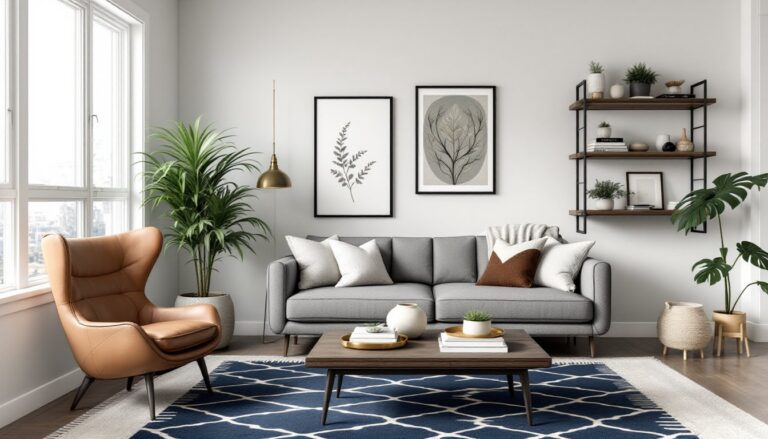
Look for agencies with a portfolio showing completed projects, client testimonials, and clear communication about timelines and budgets. A trustworthy partner explains the difference between cosmetic updates and structural work requiring permits, outlines material choices with pros and cons, and coordinates with contractors if needed. They should also reference how living room home interior design principles adapt for aging populations, maintaining aesthetics while accommodating mobility aids and ensuring adequate circulation space.
How Professional Agencies Approach Senior Space Planning
Seasoned senior living interior design agencies follow a systematic process that prevents costly revisions and ensures spaces genuinely serve their users.
The Assessment Phase: They start by understanding your specific needs, mobility limitations, vision or hearing changes, cognitive considerations, and lifestyle preferences. Are you planning single-level living? Do you need to accommodate a live-in caregiver? Will the space host visiting family or personal attendants? This conversation shapes everything downstream.
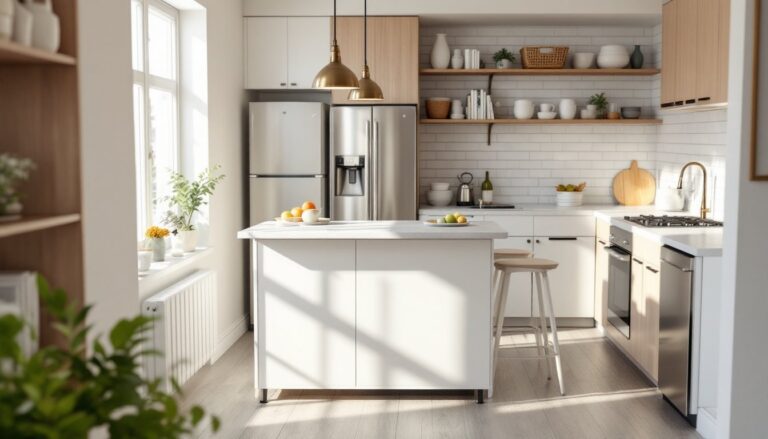
Layout and Flow: Professionals measure and map existing spaces, then propose layouts that minimize fall risk. They eliminate throw rugs, ensure pathways are clear of obstacles, and design traffic flow so someone using a walker or wheelchair can navigate without backing up. Doorways get widened if needed, hallways get cleared, and bedroom/bathroom proximity matters for nighttime safety. When planning small home interior design for seniors, agencies maximize usable space without cramping daily routines.
Material and Finish Selection: Agencies specify slip-resistant flooring (porcelain tile, commercial-grade vinyl, or slip-resistant laminate rather than polished hardwood), easy-to-clean surfaces that resist staining, and durable paints with low VOC (volatile organic compound) emissions. They understand that loose carpeting is a tripping hazard, while plush carpet can impede wheelchair movement. They choose maintenance-friendly materials because caregiving time is precious.
Lighting Design: Professional agencies layer lighting, ambient overhead light, task lighting for reading or cooking, accent lighting for visual interest, and motion-sensor night lights for safe nighttime navigation. They account for reduced pupil dilation in older eyes and specify warm color temperatures (2700K–3000K) for comfort.
Fixture and Hardware Selection: Grab bars, door handles, and cabinet pulls get positioned and chosen for both safety and aesthetics. Remote-control lighting, voice-activated assistants, and smart home features increase independence. Agencies familiar with interior design ideas for home solutions know how to integrate technology without making spaces feel clinical.
Coordination with Contractors: If structural work is required, widening a doorway, installing a curbless shower, relocating electrical outlets, or adding grab bar blocking, professionals coordinate with licensed contractors and verify that work meets local building codes. They manage timelines and budgets so surprises don’t derail the project.
References from sources like Houzz or Elle Decor showcase how professional designers balance functionality with visual appeal, proving that aging-in-place spaces can be both beautiful and practical. The best agencies don’t treat senior living design as a niche constraint, they see it as an opportunity to create thoughtful, enduring environments.
Conclusion
Choosing the right senior living interior design agency isn’t just about aesthetics, it’s an investment in safety, independence, and quality of life. Look for specialists with proven expertise in accessibility, ADA compliance, and universal design. Verify their process includes thorough assessment, thoughtful space planning, and coordination with licensed professionals when structural work is needed. The best interior design for home that serves aging adults combines practical expertise with genuine style, so residents live confidently in spaces designed specifically for them.