A closet isn’t just a place to throw clothes. It’s one of the few spaces that impacts your daily routine before you even leave the house, yet most homeowners treat it as an afterthought. Closet interior design bridges organization and aesthetics, creating a functional, visually appealing space that works for how you actually live. Whether you’re dealing with a small bedroom nook or a sprawling walk-in, the right layout, lighting, and storage solutions transform chaos into calm. This guide walks through seven practical strategies to design a closet that serves both your wardrobe and your peace of mind.
Table of Contents
ToggleKey Takeaways
- Closet interior design combines organization and aesthetics to create a functional space that reduces daily stress and saves time getting dressed.
- Start by measuring your closet dimensions, identifying obstacles, and defining what you actually need to store based on your lifestyle, not an idealized version of it.
- Double-hanging rods, adjustable shelves, and drawers maximize vertical space and capacity far more effectively than a single standard-height rod.
- Light-colored walls and LED lighting (warm white at 2700K) are essential to prevent shadows when choosing clothes and make cramped closets feel larger.
- Practical accessories like velvet-grip hangers, shelf dividers, slanted shoe shelves, and labeled storage containers multiply usable space without costly renovations.
- Design for flexibility by building in 15–20% excess capacity and using adjustable, modular systems that adapt as your wardrobe and lifestyle change.
Assess Your Current Space and Define Your Goals
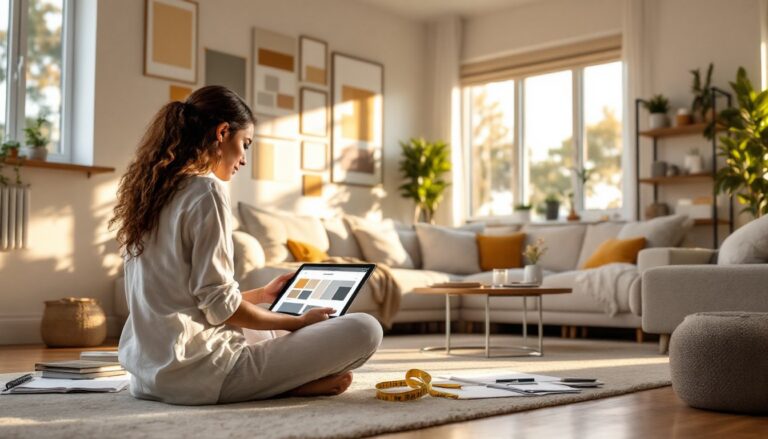
Before ordering shelving or buying bins, measure and understand what you’re working with. Grab a tape measure and document the closet’s width, depth, and height. Note any obstacles: electrical outlets, HVAC vents, odd angles, or sloped ceilings. Sketch a simple floor plan: even a rough drawing helps you visualize solutions.
Next, define what this closet needs to store. Are you a minimalist with 30 pieces, or do seasonal changes mean you need room for three wardrobes? Do you store shoes, belts, hats, or accessories? Will you keep suitcases, out-of-season items, or cleaning supplies in there too? Answering these questions prevents over-designing one category and shortchanging another.
Consider your lifestyle, too. If you work from home and rarely wear formal clothes, a closet stacked with blazers wastes prime real estate. If you have kids, you might prioritize accessibility over show. Be honest: Does this space serve your actual life, or the life you think you should be living?
Choose the Right Organization System for Your Lifestyle
Organization systems come in two flavors: built-in and modular. Built-in systems, custom closet shelving, rods, and drawers installed directly into wall studs, offer maximum flexibility and look polished. Modular systems use freestanding units, tension rods, or shelf dividers that require no installation. Budget, rental status, and permanence drive this choice. Renters favor modular: homeowners often invest in built-ins.
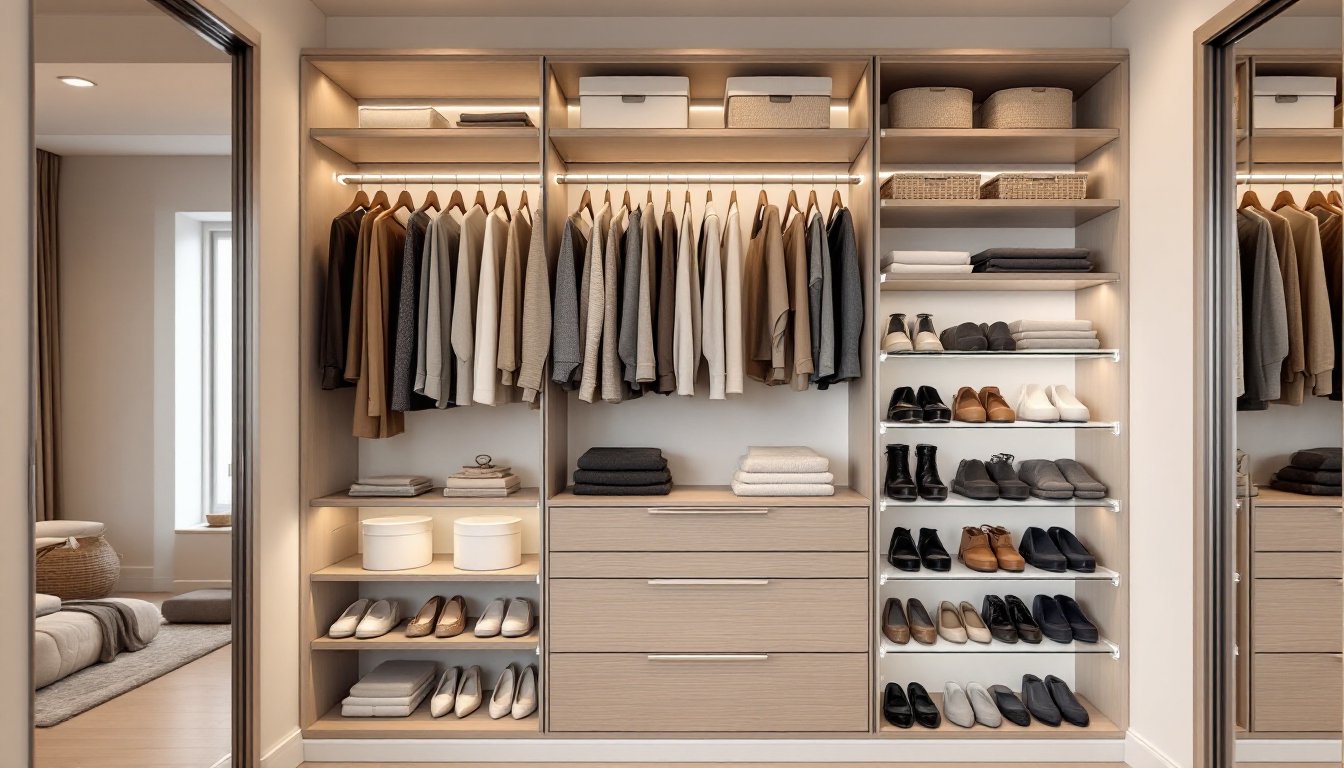
Once you’ve chosen your approach, think about the mix of hanging space, shelves, and drawers. Many closets default to one rod at standard height (60 inches), wasting vertical space. Double-hanging rods (one at 66 inches, one at 32 inches) nearly double capacity for folded items. Shelves work for bulky sweaters, bags, and organized stacks. Drawers protect delicate fabrics and keep small items from disappearing. Dining Room Interior Design: Transform Your Space for Memorable Gatherings also emphasizes how thoughtful spatial planning creates function, the same principle applies to closets.
Shelving, Rods, and Drawers: Finding Your Balance
A common efficient layout uses one hanging rod at full height (for dresses, coats, and long items), removable shelves or a second rod below for shorter garments, and 2–3 shelves above for off-season storage or bags. Wire shelves offer affordability and visibility but are less stable than solid wood or metal shelves for heavy items. Solid shelves hide dust and support more weight but cost more.
Drawers under the closet, whether part of a dresser or built-in units, work well for socks, underwear, and accessories. If your closet is narrow, rolling drawer organizers slide in and out without eating floor space. Choose hardware that matches your closet finish: oil-rubbed bronze, chrome, or stainless steel prevent that “mismatched rental” look.
Select Colors and Lighting to Enhance Function and Feel
Paint and light transform a cramped closet into an inviting retreat. Light-colored walls (soft whites, warm grays, pale blues) reflect light and make the space feel larger. Dark walls absorb light and shrink perception, save them for design accents, not full coverage. Prime all surfaces before painting: primer ensures color adhesion and prevents bleed-through, especially important in older homes with wallpaper or stains.
Lighting is non-negotiable for a functional closet. A single ceiling bulb leaves shadows where you actually choose clothes. Install a small Interior Design Photography: Capture quality LED fixture in the center and add motion-sensor strips or puck lights along shelves and rods. LEDs run cool (safe around fabric), use minimal power, and last years without replacement. Aim for warm white light (2700K) to match clothing in natural daylight later, harsh cool light distorts colors.
Ventilation matters, too. Closets trap humidity, encouraging mold and mildew, especially around shoes and damp coats. If your closet has a door, leave a 1-inch gap at the bottom or install louvered vents. A small exhaust fan in the wall (vented outdoors) prevents moisture buildup in humid climates.
Add Practical Storage Solutions and Accessories
Accessories multiply usable space without renovating. Tiered shelf dividers prevent stacked sweaters from toppling. Double-hanging hooks maximize rod space, one hook holds two hangers. Slim, velvet-grip hangers take up half the room of wooden or plastic types. Vacuum storage bags compress seasonal coats to a quarter their size, though they trade accessibility for volume.
Shoes eat closet real estate. Slanted shoe shelves (angled at 15–20 degrees) make shoes visible without digging. Hanging over-the-door organizers work for small spaces but block the view when opening the door. Wall-mounted shoe racks or cubby systems save floor space. Clear acrylic boxes for shoe storage let you see contents at a glance and stack efficiently.
Accessory organizers deserve space, too. Belt racks, scarf hangers, or drawer dividers prevent tangles and buried gems. A jewelry box on a shelf or in a drawer keeps pieces safe and organized. Ties hang best on dedicated tie racks or folded on shelf dividers. Living Room Home Interior discusses how thoughtful storage makes spaces feel curated, the same applies when accessories have a home.
Label everything. Even organized systems fail when you can’t find what you’re looking for. Use a label maker for bins, shelves, and drawers so items return to their spot consistently.
Design for Long-Term Maintenance and Flexibility
A well-designed closet stays functional as life changes. Avoid oversizing systems to current wardrobes: clothes multiply or shrink as styles shift. Build in 15–20% excess capacity so you’re not squeezing in new pieces daily. Adjustable shelves adapt to changing storage needs, rigid fixed shelves lock you into today’s choices forever.
Plan for maintenance from day one. Closet rod supports should anchor into wall studs, not just drywall, to handle weight safely. Building codes vary by region, so check local standards if doing structural work. Use paint and finishes that wipe clean easily. Polyurethane or semi-gloss finishes resist dust better than flat paint: they’re also easier to touch up.
Consider adding a small shelf or rod at kid-height if you have children. As they grow, repositioning one shelf beats a full redesign. Modular systems shine here, rearrange without tools. A closet designed around flexibility saves money and frustration when life shifts. Research closet design ideas that prioritize longevity, not just immediate aesthetics. Trends fade: solid organization endures. Masculine Interior Design: Create a timeless aesthetic by choosing neutral hardware and finishes that won’t date your closet in five years.
Conclusion
Closet interior design isn’t a luxury, it’s a practical investment in daily efficiency and peace of mind. Start by assessing your space and lifestyle, choose systems that match your needs, light and paint thoughtfully, add smart accessories, and build flexibility into your design. A well-organized closet saves time, reduces stress, and makes getting dressed a pleasure instead of a chore. Roll up your sleeves, grab your tape measure, and transform that forgotten corner into a sanctuary that actually works for you.