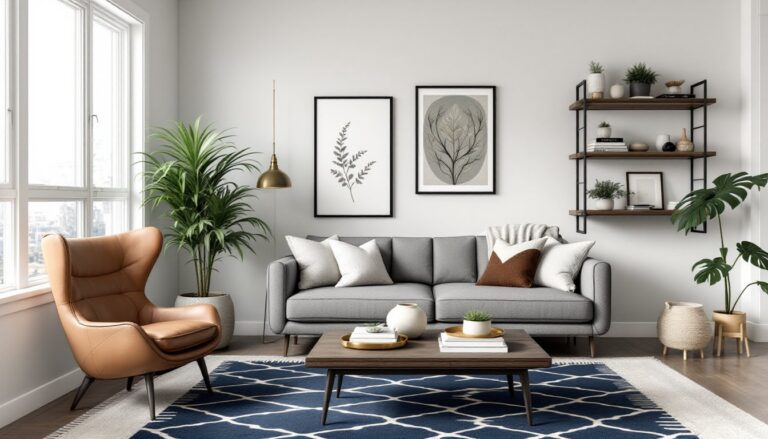
Global heritage interior design has become the go-to approach for homeowners tired of cookie-cutter spaces. Rather than sticking to one design tradition, this approach weaves authentic elements from different cultures, think Moroccan tiles alongside Japanese minimalism or African textiles mixed with Scandinavian simplicity. The trend isn’t about collecting random objects from around the world: it’s about purposefully selecting pieces that tell a story while maintaining visual balance. In 2026, more homeowners recognize that blending global influences creates spaces that feel both personally meaningful and visually sophisticated, without very costly or requiring a design degree.
Table of Contents
ToggleKey Takeaways
- Global heritage interior design blends authentic cultural elements from different traditions into intentional, cohesive spaces that feel personally meaningful without requiring a design degree.
- The key to successful global heritage design is restraint—selecting one anchor piece from a single culture and building supporting neutrals around it, rather than treating design like a buffet.
- Authenticity and craftsmanship matter more than mass production; handmade pieces from African, Asian, Middle Eastern, and Scandinavian traditions align with sustainability values and outlast trend-driven furniture.
- Budget-friendly strategies include shopping secondhand at estate sales and thrift stores, supporting fair-trade artisans, and investing in one quality focal piece like a genuine kilim rug that elevates a room for decades.
- Layer textures over patterns and limit your color palette to two or three primary colors pulled from your anchor piece to prevent visual chaos while maintaining depth and cultural authenticity.
- Paint, lighting, and strategic use of reproductions made with traditional methods can transform a space affordably while respecting both cultural heritage and your home’s actual livability and function.
What Is Global Heritage Interior Design?
Global heritage interior design combines authentic or inspired furnishings, textiles, artwork, and architectural elements from different cultures into a cohesive home environment. Unlike maximalism’s “more is more” chaos, this approach is intentional, each piece carries cultural significance or craftsmanship worth celebrating.
The key distinction is authenticity with restraint. You’re not filling every corner with tribal masks and Buddha statues. Instead, you’re selecting meaningful items, perhaps a hand-woven Turkish rug, reclaimed wooden beams with Eastern joinery, or a collection of Indian brass vessels, and letting them breathe within the space. These elements anchor a room’s character while allowing other furnishings (often simpler, neutral pieces) to support the overall design.
This approach respects both the cultures represented and your home’s actual function. A living room rooted in global heritage should still be comfortable for watching a movie: a bedroom with international influences should still promote rest. The design works because it balances visual storytelling with livability.
Why Homeowners Are Embracing Worldly Design Elements
Several shifts are driving this trend. First, social media and travel have made global aesthetics accessible and aspirational. Homeowners no longer feel locked into regional or period-specific styles, they can see homes from Tokyo to Marrakech and pull inspiration from multiple sources.
Second, authenticity matters more than ever. Mass-produced, trend-driven furniture feels hollow to many. Pieces with real cultural heritage, whether a genuine kilim or a reproduction made using traditional methods, carry more weight and longevity than disposable decor. These items don’t go out of style because style was never their main purpose: their purpose was function and craft.
Third, global heritage design aligns with sustainability values. Sourcing vintage or secondhand international pieces, supporting artisan makers, and choosing well-made goods over fast furniture all reduce environmental impact. A handmade Moroccan leather pouf will outlast three trendy ottomans and tells a better story in the process.
Finally, there’s psychological comfort in surrounding yourself with objects tied to cultures you admire, visited, or have roots in. It’s personal without being self-centered. A modern home interior design can feel cold: global heritage design, even when minimalist, always feels like someone lives there.
Key Design Elements From Around the World
African and Middle Eastern Influences
African and Middle Eastern design brings bold geometry, warm earth tones, and exceptional textiles. Think geometric kilim rugs, indigo-dyed fabrics, and carved wooden screens with intricate patterns.
Practical starting points include berber rugs (hand-knotted wool with natural dyes, durable and timeless), brass or copper vessels (functional and decorative), and mud-cloth textiles (traditionally made with natural pigments, now available in quality reproductions). Wall-mounted woven tapestries or baskets add texture without taking floor space. Middle Eastern tilework, whether actual zellige tiles or high-quality reproductions, can anchor a kitchen backsplash or bathroom surround without major renovation.
The challenge: These bold elements need restraint elsewhere. Pair a statement Moroccan rug with neutral walls and simple furniture, not competing patterns. Layer in brass accessories and warm lighting to amplify the warmth these pieces naturally provide.
Asian and Scandinavian Traditions
Asian design emphasizes balance, natural materials, and negative space. Japanese aesthetics value simplicity and quality: Chinese traditions bring rich reds and ornamental details: Thai design incorporates silk, carved wood, and gold accents. Scandinavian design, from Denmark, Sweden, and Norway, strips things down to clean lines, light woods, and functional beauty.
African, Middle Eastern, and Asian textiles share a common thread: intentional craftsmanship that rewards close inspection. Sources like Architectural Digest regularly feature homes that blend these traditions effectively, using a Japanese scroll or a carved Thai table as focal points surrounded by Scandinavian restraint.
Practical elements include low-profile wooden furniture (Japanese-inspired or Scandinavian frame), natural fiber seating (jute or rattan), silk or linen textiles in solid or subtle patterns, and simple pottery. An Asian-influenced room can feel cold without warmth: add layered lighting (soft ambient plus task), warm wood tones, and one or two accent colors pulled from natural dyes.
Budget-friendly starting points: Source unfinished wood shelving and stain it dark for a Japanese feel. Hunt thrift stores for solid-wood side tables with clean lines. Add warmth with living room home interior design elements like layered textures, wool throws, linen pillows, and simple wooden frames for art.
How to Blend Global Styles Without Overwhelming Your Space
The biggest mistake is treating global heritage design like a buffet, one piece from everywhere, leading to visual chaos. Restraint is your best tool.
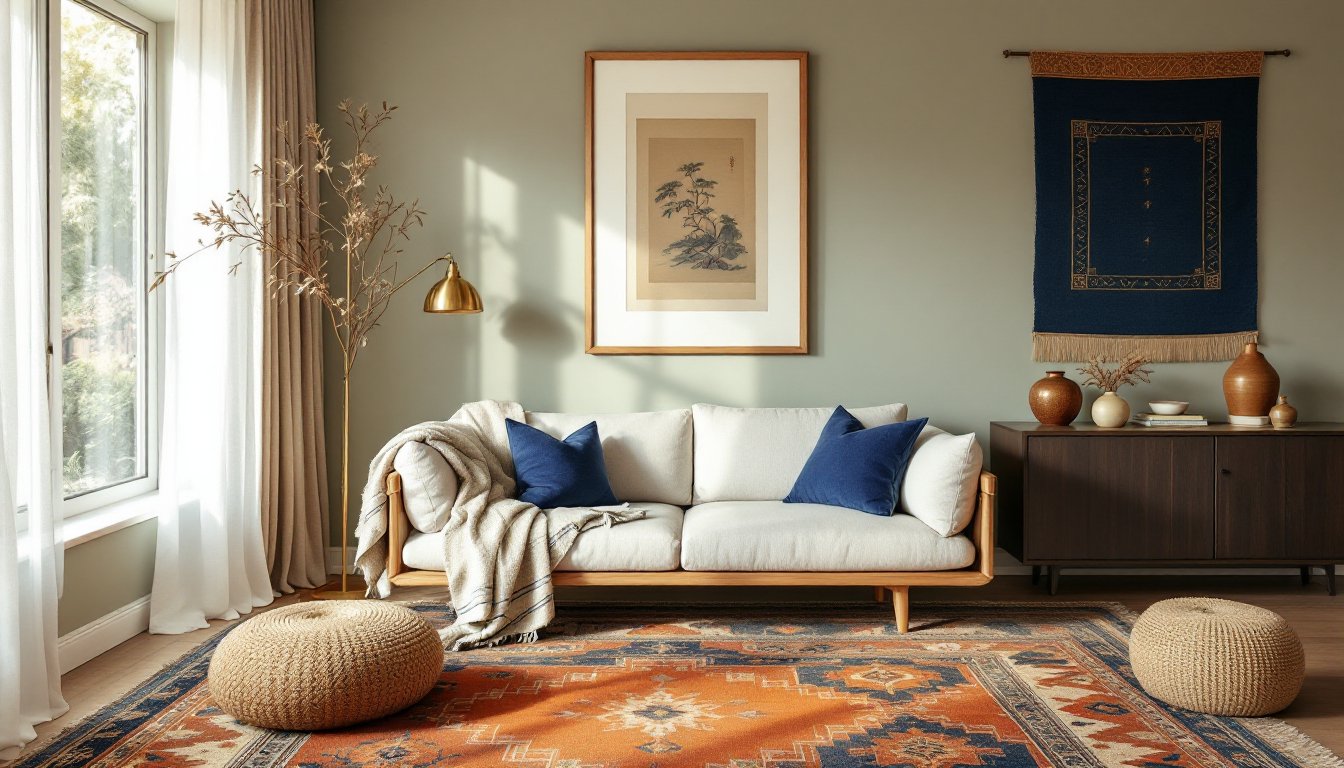
Start with one anchor. Choose a single statement piece or palette tied to one culture: a Turkish rug, a Japanese cabinet, or a collection of Moroccan poufs. Let this set the room’s tone. Everything else, neutrals, lighting, additional pieces, should support this anchor, not compete with it.
Limit your color palette. Pull two to three primary colors from your anchor piece. A Moroccan room might work with terracotta, cream, and deep teal. A Japanese-influenced space might use pale gray, natural wood, and one accent color (perhaps deep indigo). This prevents the room from feeling like a museum exhibit.
Layer textures, not patterns. Global design thrives on texture, woven, carved, smooth, rough. A room with three different printed textiles will feel chaotic. Instead, use the printed rug or wall hanging as the patterned statement, then add solid textures: a chunky wool throw, smooth ceramic pieces, rough linen, smooth leather. This creates depth without visual overwhelm.
Respect the space’s proportions. A 12×14 bedroom can’t support the same volume of global pieces as a 20×24 living room. Edit ruthlessly in small rooms. One meaningful statement piece and supporting neutrals will feel intentional: cramming in multiple traditions will feel cramped.
Sources like Elle Decor showcase interiors that balance global heritage with breathing room, notice how often the most impactful rooms have long stretches of neutral wall or empty shelf space. That emptiness is intentional and essential.
Budget-Friendly Ways to Add Global Heritage to Your Home
You don’t need a design budget to bring global heritage home. Sourcing and patience beat spending.
Shop secondhand first. Estate sales, online marketplaces, and thrift stores overflow with genuine international pieces at a fraction of retail. A hand-woven rug, vintage brass lighting, or carved wooden furniture costs far less used than new, and the authenticity is guaranteed. Budget $50–$200 for genuine kilim rugs, $20–$60 for brass vessels, and $100–$400 for a solid wood accent table.
Support artisans and fair-trade makers. Organizations specializing in fair-trade goods, like cooperatives producing Moroccan textiles or Thai silk, offer affordably priced, authentic pieces while supporting makers directly. A handwoven throw pillow cover runs $15–$40 and changes a room’s feel.
DIY or adapt what you have. Stain a plain wooden frame dark. Add interior design ideas for home by draping a vintage textile over a sofa as an accent. Paint a simple wooden shelf and style it with collected brass and pottery. Layer existing neutral furniture with purchased global textiles and accessories.
Prioritize one investment. If budget is tight, spend on a quality rug or one significant furniture piece. A genuine Turkish or Persian rug, though an investment ($400–$1,200 for a quality 8×10), is a durable focal point that elevates every room it enters for decades. Cheaper alternatives like flat-woven dhurries ($100–$300) offer similar visual impact with less outlay.
Use paint and lighting strategically. A room’s foundation, wall color and lighting, anchors global design. Warm paint (terracotta, sage, warm gray) and layered lighting (warm-toned lamps, string lights, or pendant fixtures) create ambiance that makes collected pieces feel cohesive. Paint cost is minimal compared to furnishings yet transforms perception. Check home interior design ideas for examples of how background and light shape global spaces.
Hunt for reproductions with integrity. Not all budget pieces are cheap. Quality reproductions of zellige tiles, kilim patterns, or carved panels, made using traditional methods or durable materials, cost less than genuine antiques but deliver authenticity. A homify gallery of heritage-inspired homes shows how reproductions blend seamlessly with genuine pieces.