Columbus has quietly become a hotbed for accessible, creative interior design. Whether you’re refreshing a Victorian-era bungalow in German Village or updating a modern condo in the Short North, the city’s design community draws from a rich mix of Midwestern practicality and arts-forward thinking. This guide walks you through understanding Columbus’s unique design aesthetic, finding affordable local resources, and applying trending styles without very costly. If you’re ready to transform your space with inspiration rooted in local expertise, read on.
Table of Contents
ToggleKey Takeaways
- Columbus interior design emphasizes livable, personalized spaces that blend Midwestern practicality with creative energy, drawing from the city’s industrial heritage and neighborhood character.
- Working with a local Columbus-based designer costs 10–20% of your project budget for full-service work or $75–$150 per hour for consultation, and provides advantages like knowledge of regional contractors and neighborhood-specific expertise.
- Mid-century modern, farmhouse, industrial, and bohemian eclectic styles dominate Columbus homes, with warm earth tones and jewel tones outpacing cool grays in the current design landscape.
- DIY interior design Columbus-style starts with quality paint ($25–$50 per gallon), layered lighting and textiles, and authentic vintage finds from High Street, German Village, and West Market District—all available at fair prices.
- Columbus’s furniture and decor ecosystem offers affordable options through estate sales, local buy-sell-trade groups, antique shops, and independent boutiques, making personalized home updates possible without major budgets.
Understanding Columbus’s Unique Design Aesthetic
Columbus’s interior design scene reflects the city’s character: industrial heritage mixed with creative energy, Midwestern warmth tempered by modern sophistication. The city’s neighborhoods each have distinct personalities. German Village’s 19th-century brick homes inspire earthy, heritage-focused designs with exposed wood and warm neutrals. The Short North’s gallery-lined streets encourage bold color, statement art, and contemporary finishes. Victorian Square and other historic districts favor restoration-minded approaches that honor original architectural details while accommodating modern living.
Local designers recognize that Columbus homeowners value durability and function alongside aesthetics. You won’t find much of the “all-white minimalism” or purely aspirational Instagram aesthetics here. Instead, Columbus design trends lean toward curated, livable spaces that tell a story, often pulling from the city’s rich manufacturing past, neighborhood character, and public art scene. Exposed brick, vintage finds mixed with new furniture, and locally made artwork appear in homes across nearly every neighborhood.
How to Work With Local Interior Designers
Working with a Columbus-based designer offers real advantages: they understand local contractors, know which materials suit the region’s climate and humidity, and bring familiarity with your neighborhood’s architectural style. Before hiring, clarify your project scope, are you refreshing a single room or overhauling your entire home? Define your budget upfront and discuss whether it includes furniture purchases, labor, or just consultation.
Most local designers offer tiered services. Full-service design typically costs 10–20% of the project budget and includes concept boards, selections, and project management. Hourly consultation runs $75–$150 per hour in Columbus and works well for advice-only projects. Some designers charge a flat fee for specific deliverables, a mood board or paint-color consultation, for instance.
Finding the Right Designer for Your Budget
Start by browsing portfolios on local design firm websites and social media. Columbus designers frequently feature neighborhood-specific work, which helps you gauge their familiarity with your area. Check reviews on Google and Houzz to read feedback from past clients. Many successful Columbus designers specialize, some focus on kitchens and baths, others on full home renovations or specific styles like farmhouse or mid-century modern.
Interview at least three designers. Ask about their process, how they handle budget overruns, and their typical project timeline. Request references from recent clients in similar-sized homes or budgets. Don’t automatically hire the cheapest option: a designer who understands your neighborhood and has strong local contractor relationships often delivers better results for only slightly more money.
Popular Interior Design Styles in Columbus Homes
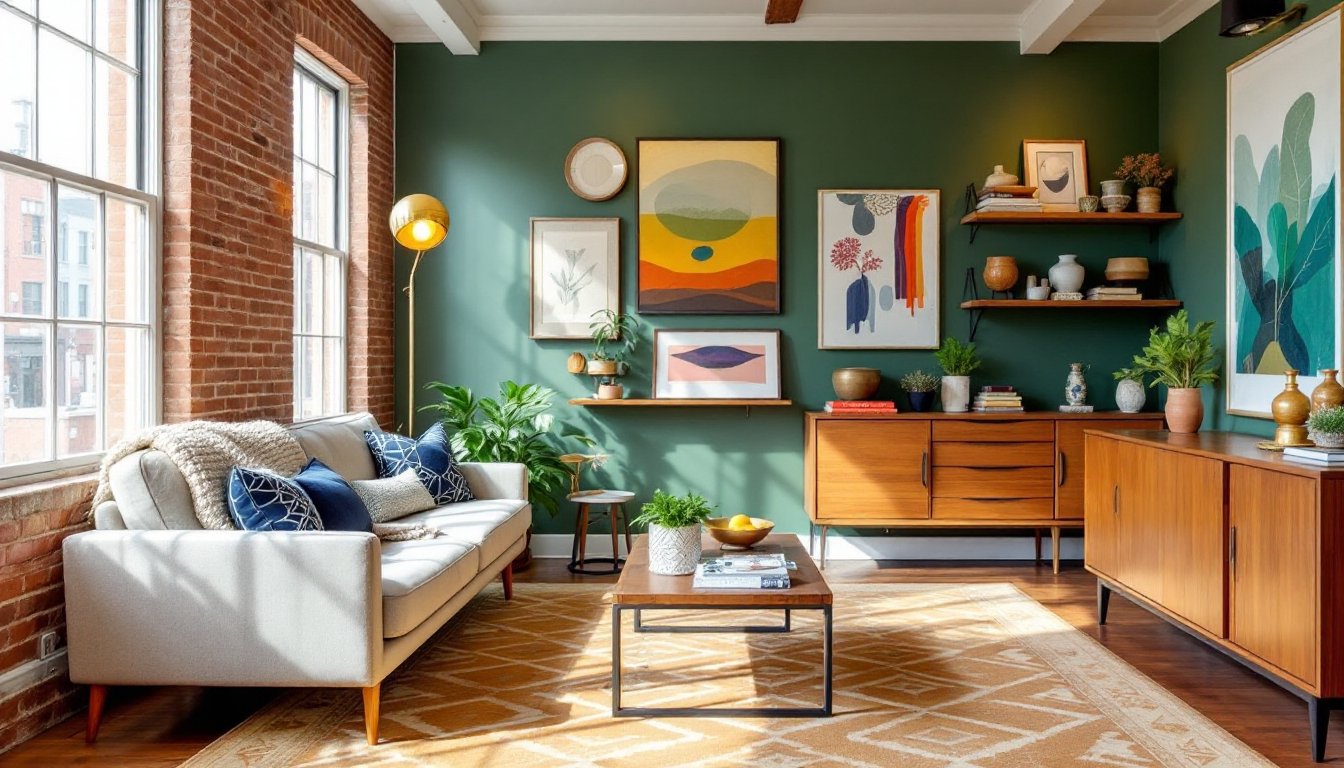
Several styles dominate Columbus homes right now. Mid-century modern remains perennially popular, clean lines, wood furniture, brass accents, and geometric patterns appeal to homeowners who want timeless without feeling trendy. This style pairs especially well with Columbus’s vintage and antique shops, which stock genuine MCM pieces at reasonable prices.
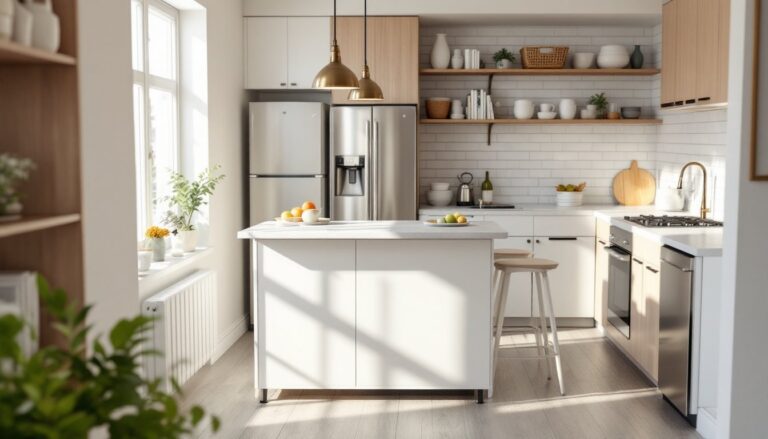
Farmhouse and country-casual designs also thrive here. Shiplap, vintage hardware, open shelving, and neutral palettes with black accents create spaces that feel warm and collected. Modern Home Interior Design approaches emphasize function alongside aesthetics, which aligns perfectly with Columbus values. Industrial style leverages the city’s warehouse-conversion trend, exposed brick, steel beams, concrete floors, and Edison bulbs feel authentic in a city with genuine industrial bones.
Bohemian eclectic has gained traction, especially among younger homeowners. Mixing patterns, layering textures, and incorporating global textiles and found-object art create personalized, lived-in spaces. Cozy Cottage interior design elements, soft fabrics, warm wood, handmade touches, appear frequently in Columbus updates, offering comfort without fussiness. Color-wise, warm earth tones (terracotta, sage, warm gray) and jewel tones (navy, emerald, burnt orange) outpace cool grays, reflecting both regional sensibility and current national trends.
DIY Interior Design Tips Inspired by Columbus Decor Trends
You don’t need a designer to apply Columbus-inspired aesthetics to your home. Start with paint. Choose warm whites (avoid cool-toned whites that feel clinical) and consider accent walls in jewel tones or deeper earth colors. Many Columbus homes feature a feature wall, often behind a bed or in a dining room, in deep emerald, navy, or warm rust. Quality interior paint costs $25–$50 per gallon: budget two coats, which typically cover 300–400 square feet per gallon.
Source authentic vintage pieces from local markets and thrift shops rather than buying new reproductions. Columbus has excellent antique districts on High Street and in German Village where you’ll find genuine mid-century, industrial, and farmhouse pieces at fair prices. A single statement piece, a credenza, a large mirror, or a vintage light fixture, often anchors a room more effectively than five new items.
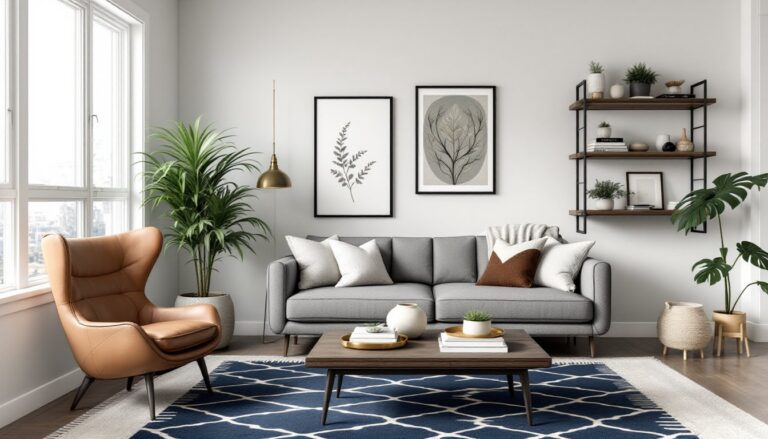
For Living Room Home Interior Design, layer lighting. Skip the single overhead fixture: add a floor lamp, table lamp, and dimmer switch to create mood and functionality. Layer textiles too: a base neutral sofa with patterned throw pillows, a chunky knit blanket, and a patterned rug build visual interest without chaos. Dining Room Interior Design benefits from similar layering, consider open shelving to display collected dishes, a statement light fixture, and a mix of chair styles around the table.
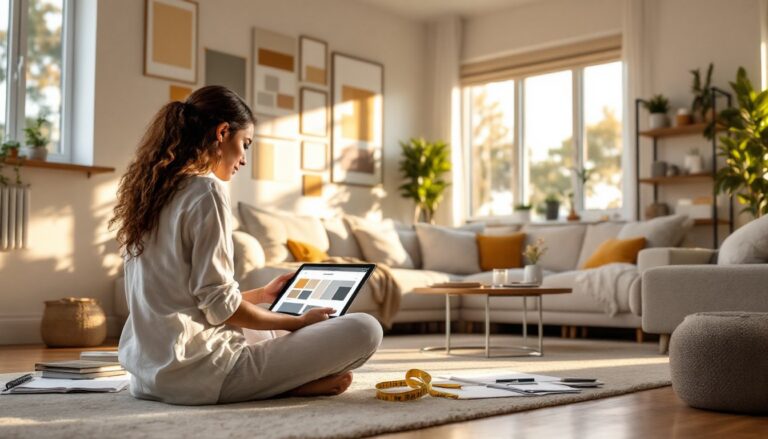
Resources like Home Bunch and Freshome offer free inspiration galleries where you can save images and build mood boards. Study what resonates in your collected pins: color palettes, material finishes, spatial arrangements. These patterns reveal your actual taste versus Pinterest trends.
Sourcing Local Furniture and Decor in Columbus
Columbus’s furniture and decor ecosystem balances affordability with quality. The Short North hosts contemporary furniture galleries, West Market District features mid-century and vintage dealers, and German Village concentrates antique and reclaimed-goods shops. For new furniture, retailers like Ashley Furniture and local upholstery shops offer mid-range options. Home Interior Design Ideas often incorporate locally made goods, ceramics, textiles, metalwork, available through makers’ markets and galleries.
Join the Facebook buy-sell-trade group “Columbus Area Buy, Sell, Trade” for local deals on furniture and decor. Estate sales, particularly in neighborhoods like Bexley and Upper Arlington, frequently yield quality pieces at auction prices. Online platforms like Facebook Marketplace, Craigslist, and OfferUp let you hunt locally without shipping costs, crucial for heavy items like sofas and tables.
For smaller decor, throws, pillows, wall art, plants, check independent boutiques on High Street and specialty shops in various neighborhoods. Decoist curates design ideas that highlight how independent decor pieces transform spaces, often at mid-range price points. Buying local supports Columbus makers and often means unique, one-of-a-kind items instead of mass-produced duplicates. Compare prices before committing: shipping costs can make online options less appealing, but local inventory means you’ll see and touch pieces before purchasing.
Conclusion
Interior design in Columbus doesn’t require a huge budget or a credentials-heavy designer. The city’s design community, affordable local resources, and neighborhood character provide plenty of inspiration and practical options. Whether you’re pursuing mid-century modern, farmhouse, industrial, or eclectic styles, Columbus’s unique aesthetic welcomes personalized, livable spaces. Start with paint, add vintage finds, layer thoughtfully, and build on what resonates with your space and life. Your home will feel distinctly yours, and distinctly Columbus.