Transforming a room doesn’t require a designer’s budget or years of experience. Whether you’re refreshing a tired bedroom, updating a kitchen, or completely reimagining a living space, interior design solutions are more accessible than ever. The key is understanding how to work with what you have, your existing furniture, natural light, wall space, and personal style, to create a room that functions beautifully and reflects who you are. This guide walks you through seven practical, actionable strategies that work for any budget, skill level, or home style.
Table of Contents
ToggleKey Takeaways
- Interior design solutions become actionable when you assess your space first by measuring dimensions, noting natural light, and identifying architectural features that define the room.
- A strategic color palette using the 60-30-10 rule—one dominant color, a secondary color, and an accent color—establishes emotional tone and cohesion across your home.
- Smart furniture placement around a room’s focal point, combined with thoughtful zoning by function, maximizes flow and usable space without requiring a designer’s budget.
- Layering three types of lighting—ambient, task, and accent—transforms any room from purely functional to inviting, with dimmer switches and mirrors offering budget-friendly solutions.
- Mixing textures like wood, linens, ceramics, and woven materials creates depth and visual interest that makes spaces feel curated and expensive on a modest budget.
- Budget-conscious interior design thrives on strategic swaps, thrift finds, and DIY updates like painting furniture and creating gallery walls with personal touches.
Assess Your Space and Define Your Vision
Before buying anything, spend time in the room you’re redesigning. Take photos from different angles, measure the dimensions, note the natural light patterns throughout the day, and identify existing architectural features, windows, built-ins, fireplaces, or architectural quirks that define the space.
Next, define what you actually want from the room. Is it a place to work, relax, entertain, or sleep? Maybe it’s multiple things at once. Write down three words describing your ideal space (“calm,” “energetic,” “organized”). This vision becomes your north star when making decisions about color, furniture, and decor.
Take inventory of what you’re keeping. That favorite sofa, inherited dresser, or gallery wall might become the anchor around which everything else revolves. Knowing your non-negotiables saves time and prevents impulse purchases that don’t fit your actual plan.
Choose a Color Palette That Works for Your Home
Color sets the emotional tone of a room faster than anything else. Start by identifying your undertones: warm (yellows, reds, oranges) or cool (blues, greens, purples). Most homes lean one direction, so starting there prevents a jarring mismatch between rooms.
Pick one dominant wall color, usually about 60% of the room, then layer in a secondary color (30%) and an accent color (10%). Neutral walls give you freedom to change accent colors seasonally. Bold walls work beautifully if you’re comfortable with them long-term.
Test paint samples. Paint large swatches directly on the walls where they’ll live, then observe them in different lighting. Morning light and evening lamplight hit colors completely differently. Modern Home Interior Design explores how color psychology shapes room perception and how trending palettes adapt to different living spaces. Don’t rush this step, it’s the foundation everything else builds on.
Maximize Functionality With Smart Furniture Placement
Furniture arrangement is where most people struggle. Start by identifying the room’s natural focal point: the sofa faces the TV, the desk catches natural light, the bed anchors the bedroom. Everything else flows from there.
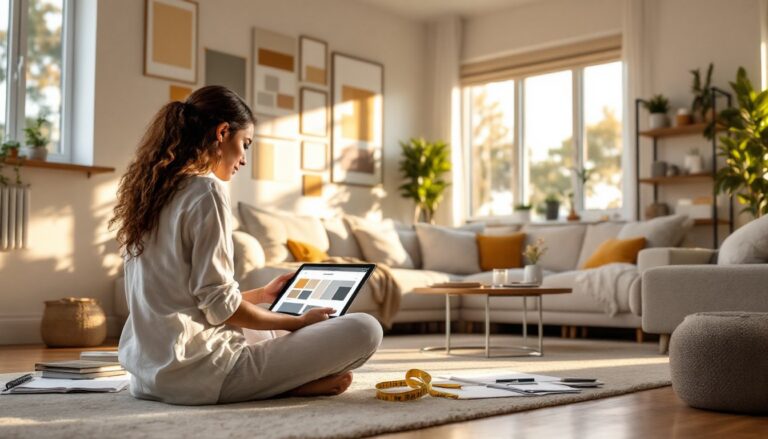
Measure your furniture pieces and sketch them to scale on graph paper, or use free tools to create a digital layout. This catches problems before you’re pushing a 300-pound sectional across your living room floor. Leave at least 18 inches between pieces for movement and cleaning.
Zone activities by function. A living room might have a “conversation zone” (seating cluster), an “entertainment zone” (TV area), and a “quiet zone” (reading nook). Living Room Home Interior Design demonstrates how purposeful arrangement creates flow and maximizes usable space in any footprint. Avoid pushing all furniture against walls, it makes rooms feel cold and cramped.
Use Lighting to Set the Mood and Brighten Dark Areas
Lighting transforms a room more than most people realize. Layering three types, ambient (overall), task (focused), and accent (mood), gives flexibility.
Ambient light comes from ceiling fixtures, while task lighting, desk lamps, under-cabinet strips, vanity bulbs, handles specific work. Accent lighting highlights art, architectural details, or decorative features with wall sconces, uplighting, or spotlights.
Dimmer switches cost under $20 and turn any room from functional to cozy in seconds. If overhead fixtures are limited, add floor lamps (which work in any rental), clip lamps on shelving, or string lights for mood. Choose bulb color temperature: warmer (2700K) feels homey: cooler (4000K) suits offices. MyDomaine showcases how strategic lighting design elevates modern interiors. In dark corners, mirrors opposite windows bounce natural light around the room, a cheap, chemical-free solution.
Add Texture and Layers for Visual Interest
A room full of smooth, flat surfaces feels sterile. Texture creates depth and makes spaces feel lived-in and intentional.
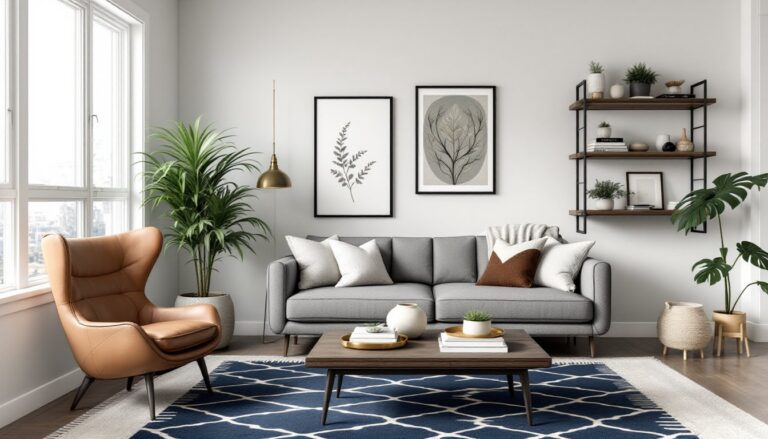
Layer different materials: rough wood, soft linens, smooth ceramics, woven baskets, metal accents. A bedroom might combine a chunky knit throw (soft), a wooden bed frame (warm), linen curtains (natural), and a smooth upholstered headboard (tactile contrast). A living room benefits from a mix of leather, wool, cotton, and jute.
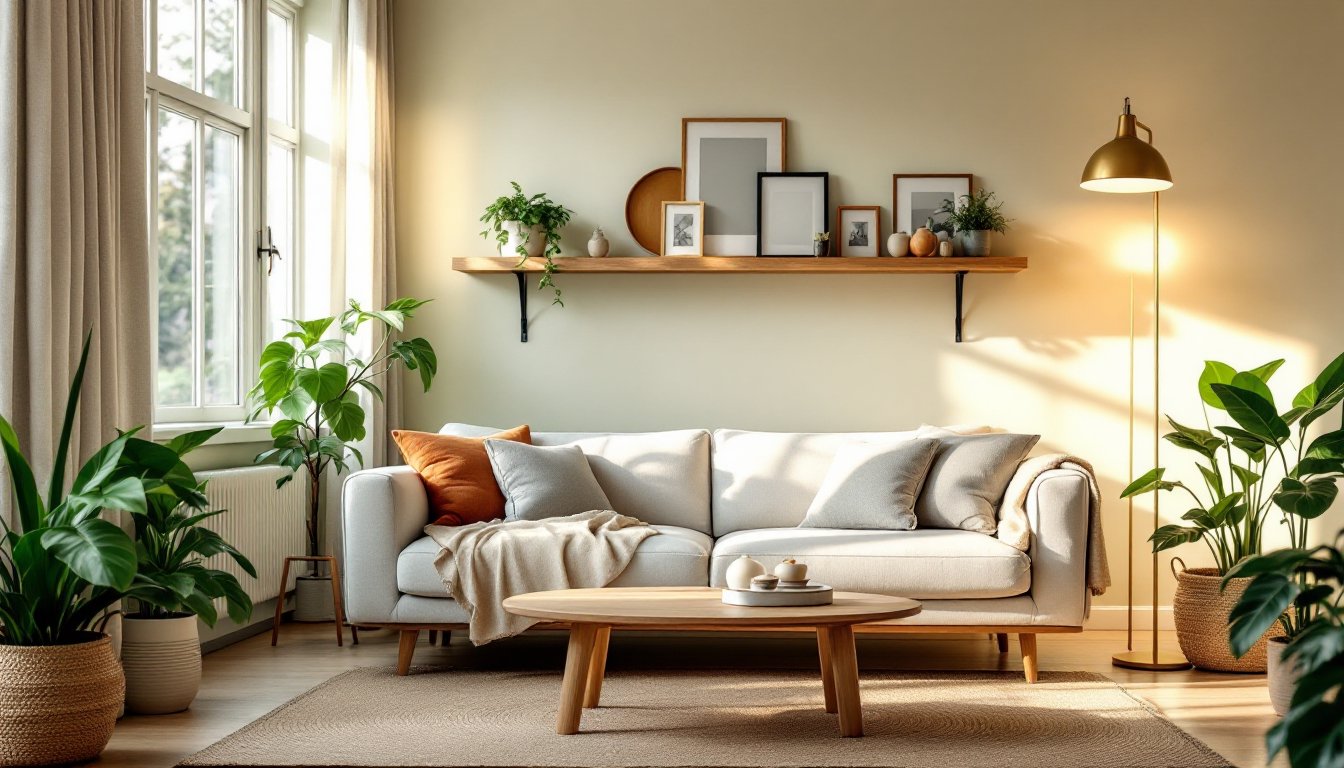
Don’t overthink it. Add a woven area rug over hard flooring, swap lightweight curtains for textured linen, drape a throw blanket, or swap plain pillows for ones with tufting, braiding, or embroidery. Interior Design Home details how layering textures creates sophisticated, inviting spaces that feel curated rather than sparse. Texture is what makes a room feel expensive on a budget, it’s all about mixing finishes, not spending more money.
Budget-Friendly Decor Ideas for Every Style
You don’t need to replace everything. Strategic swaps and second-hand finds stretch a budget dramatically.
Thrift stores, estate sales, and online marketplaces offer vintage furniture, mirrors, art, and accessories at fractions of retail. A $300 dresser becomes a $40 find with a fresh paint job. Mirrors are design workhorses, they’re cheap, reflect light, and make rooms feel bigger. Home Interior Design Ideas explores how mixing vintage and new pieces creates personality without excess spending. Paint existing furniture instead of replacing it. A white or neutral coat transforms dated pieces into contemporary anchors.
Wall art costs nothing if you frame personal photos, sketches, or printable designs from free sites. DIY gallery walls with mismatched frames feel intentional and personal. Greenery is affordable décor that improves air quality, pothos and snake plants thrive in low light and forgive neglect. Freshome showcases budget-conscious design transformations proving that creative solutions matter more than price tags. Swap out seasonal décor quarterly, it’s free freshness without commitment.
Conclusion
Interior design solutions aren’t about following trends or spending big. They’re about understanding your space, defining what makes you comfortable, and making thoughtful choices about color, furniture, lighting, and texture. Start with one room, apply these strategies, and notice how intention transforms ordinary spaces into places you love spending time in. Your home should reflect you, and now you have the framework to make it happen.