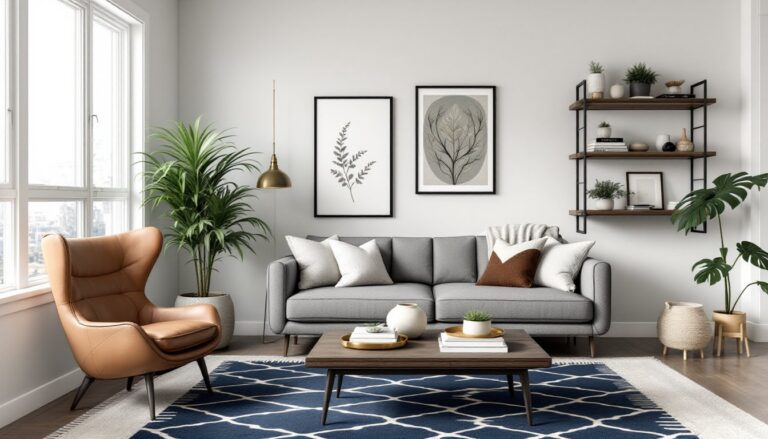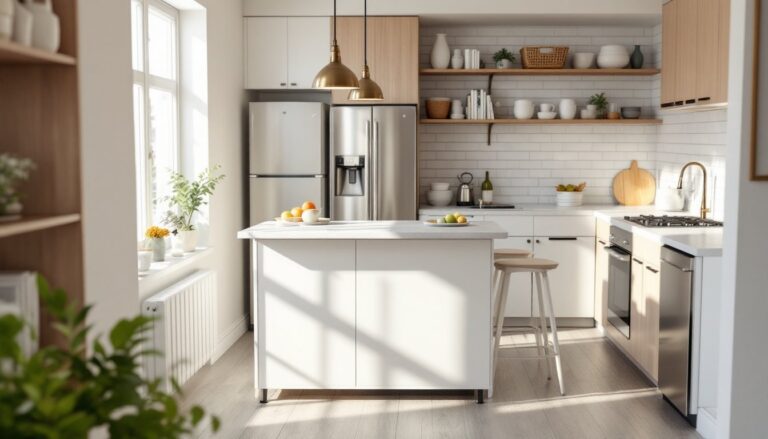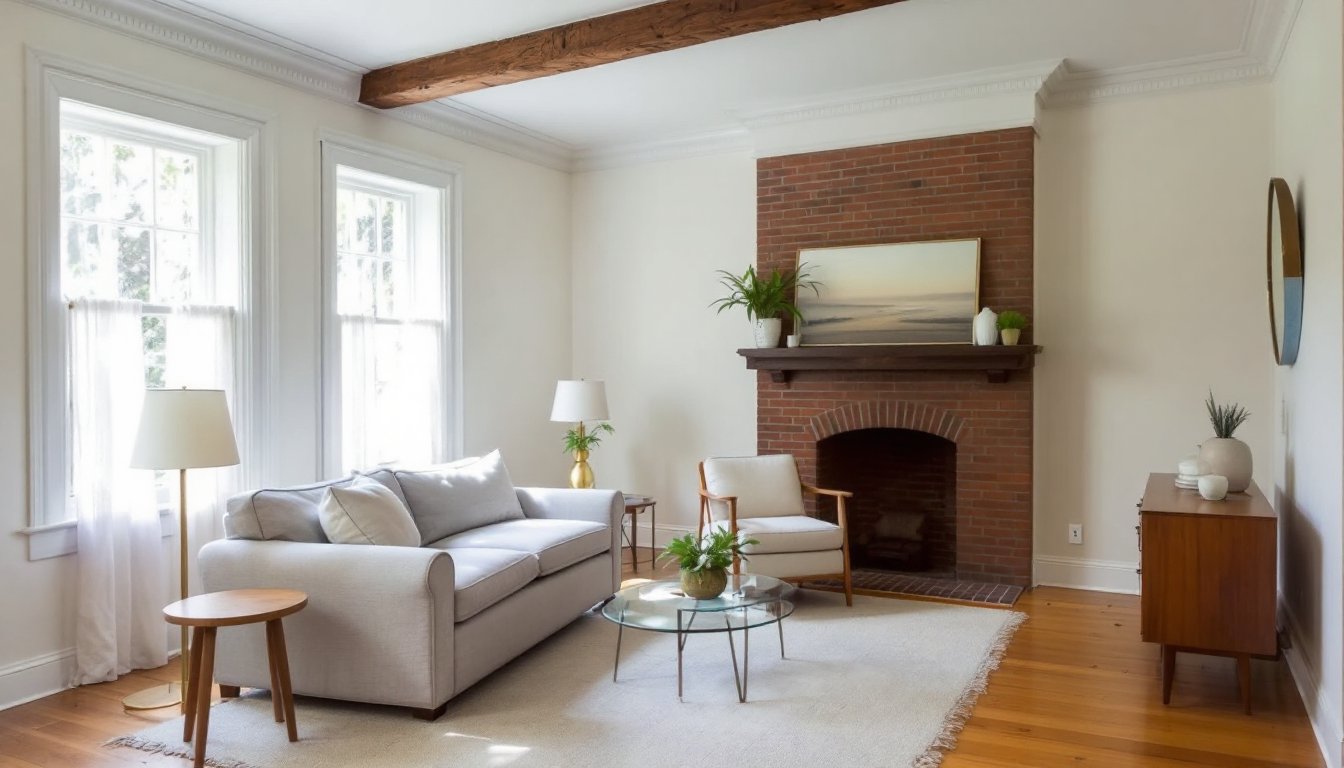
Modern colonial interior design captures the best of two worlds: the timeless elegance and structural integrity of colonial architecture paired with the clean lines, functionality, and comfort of contemporary style. This hybrid aesthetic doesn’t mean cramming a Federal-era parlor into a 21st-century living room. Instead, it’s about respecting historical proportions and details while updating materials, color schemes, and comfort standards to match how people actually live today. Whether you’re renovating a colonial-era home or simply drawn to its architectural language, modern colonial design offers a grounded, sophisticated approach that feels both rooted and current.
Table of Contents
ToggleKey Takeaways
- Modern colonial interior design blends 18th- and 19th-century architectural details with contemporary comfort and minimalist aesthetics, creating homes that are both rooted in history and functional for 2026 living.
- Paint and trim refinishing is the most cost-effective transformation: updating dark wood trim and walls to whites, soft grays, and warm neutrals instantly shifts a space from colonial museum to contemporary home with character.
- Modern colonial furniture mixes period-inspired silhouettes with contemporary proportions—think streamlined sofas with turned legs and simple solid tables—avoiding costume-y reproductions that feel inauthentic.
- Open-plan layouts, integrated storage solutions, and quality modern lighting fixtures replace historical compartmentalization and candle-era design, allowing colonial homes to accommodate how families actually live today.
- Preserve original architectural anchors like crown molding, hardwood floors, and fireplaces while confidently integrating modern HVAC, electrical, and plumbing systems without apology or historical guilt.
- Minimize window treatments and ornament excess: simple linen curtains, wood shutters, and clean-lined hardware create the refined, uncluttered aesthetic that defines successful modern colonial design.
What Is Modern Colonial Interior Design?
Modern colonial interior design merges the structural and aesthetic hallmarks of 18th- and 19th-century American colonial homes with the minimalism, innovation, and livability standards of contemporary design. Colonial homes, built roughly between 1600 and 1850, are characterized by symmetrical facades, pitched roofs, shuttered windows, and interior details like crown molding, wainscoting, and hardwood floors. The style emerged from European settlers adapting Old World building techniques to the New World’s climate and available materials.
The modern colonial approach keeps these recognizable bones but strips away the ornamental excess, updates material finishes, and introduces open-plan living that colonial-era homes lacked. A modern colonial interior might feature original exposed beams paired with white-painted walls, or traditional paneling combined with minimalist furniture and modern lighting. The key difference from strict historical restoration is flexibility: you’re not chasing authenticity to 1750: you’re creating a home that looks and functions like 2026 while honoring the architectural language of its foundation.
This style appeals to homeowners who want character without museum-like stuffiness, and to those living in actual colonial-era homes who need to update plumbing, HVAC, and electrical systems without gutting their home’s soul. It’s particularly popular in older neighborhoods of the Northeast and Mid-Atlantic, where genuine colonial and Federal-style homes are common, but the aesthetic translates anywhere, even in newer construction built to evoke colonial proportions.
Key Design Elements That Define the Style
Color Palettes and Wall Finishes
Modern colonial interiors favor a tight, historically-grounded color palette updated for contemporary taste. Whites, creams, soft grays, and warm beiges dominate walls: these neutrals let architectural details like beams, molding, and fireplaces become visual anchors. Paint finishes matter: flat or eggshell finishes look period-appropriate on walls and trim, while high-gloss or satin finishes on doors and shutters add subtle visual interest. Avoid the sticky-sweet pastels or heavily saturated colonial reproductions you might find in fabric swatches labeled “Historical.” Think fresh, not frozen in time.
Accent colors come from natural sources, deep charcoal or navy for shutters, muted sage or slate for a feature wall, or even a confident black on a front door or interior architrave. These are high-contrast anchors, not busy wallpapers. If you do choose wallpaper, opt for geometric or small-scale patterns in neutral tones rather than florals. Colonial homes often feature wood paneling or wainscoting: keep these elements but paint them white or soft gray instead of the dark, heavy finishes of their era. The modern home interior design approach emphasizes light, openness, and flexibility, three things historical colonial interiors weren’t designed for.
Furniture and Layout Choices
Furniture in modern colonial spaces strikes a balance between period silhouettes and contemporary proportions. A sofa might have colonial-inspired turned legs and a rolled arm, but in a clean-lined shape without excessive skirts or button-tufting. Tables are simple and solid (no ornate carved legs), and chairs can reference Windsor or ladder-back styles but in streamlined versions. Avoid reproductions that feel costume-y: look for pieces that echo the form without mimicking every historical quirk.
Layout is where modern colonial truly departs from its historical roots. Colonial homes had small, compartmentalized rooms: modern colonial interiors often open up those spaces (when structurally possible) or at least keep doors open to create flow. This doesn’t mean removing load-bearing walls, that requires engineering and permits, but it does mean rethinking how rooms connect and function. The living room home interior design should flow into dining and kitchen areas for contemporary family life, even if original doorways and openings reflected a more formal era.
Storage is integrated and hidden. Colonial homes lack closets, and modern colonial spaces solve this with built-in cabinetry, window seats with storage, or integrated shelving that looks integral to the architecture rather than tacked-on. Natural light is essential: replace heavy colonial drapes with simple linen or linen-blend curtains, or go minimal with plantation shutters that still control light and privacy. Hardware on cabinets and doors should be simple, brass or iron cup pulls, bin pulls, or ring pulls in antique finishes, not ornate Colonial Revival reproductions from a historical society catalog.
How to Implement Modern Colonial Design in Your Home
Start with a site walk. If you’re in an actual colonial-era home, photograph existing details: crown molding profiles, window frames, door styles, fireplace mantels, stair railings, and hardwood floor patterns. These are your design anchors: they’ll guide every other decision. If you’re building colonial-inspired or working in a newer colonial-revival home, get clear measurements of trim width, ceiling height, and room proportions. Colonial rooms typically have 8- to 9-foot ceilings with substantial trim: skimping on molding width makes the space feel inauthentic.
Prioritize paint and trim refinishing. This is the most cost-effective way to shift a tired colonial aesthetic into modern colonial. Sand down dark wood trim (or strip it if painted) and repaint in white, soft gray, or natural stain if the wood grain is attractive. Prime all trim with a quality primer, older homes may have lead paint, so test first and hire a licensed lead abatement contractor if needed. Paint walls in your neutral palette. This alone transforms a space from “colonial museum” to “contemporary home with character.” The dining room interior design benefits dramatically from this refresh, especially if original wood is darkened or dingy.
Address flooring thoughtfully. Original hardwood floors are an asset: have them refinished in a natural or light stain rather than dark colonial reproductions. If replacing flooring, choose wide-plank solid or engineered hardwood (5 to 8 inches) rather than narrow strips that feel too historical. Avoid overly distressed finishes that mimic age: modern colonial appreciates the character of wood without costume. Rugs anchor spaces and add warmth without the heaviness of wall-to-wall carpeting.
Update lighting. Colonial-era homes relied on candles and oil lamps: modern colonial interiors need functional, attractive lighting that doesn’t look like a theme park. Choose fixtures in simple brass, blackened iron, or matte finishes. Pendant lights over a kitchen island, a classic dome flush-mount in hallways, or a simple chandelier in a dining room work well. Avoid colonial reproductions with too many arms or fussy details. Recessed lighting can feel too modern: soffit-integrated or corner-mounted fixtures blend better. Dimmer switches are essential for flexibility.
Furnish selectively. You don’t need “colonial” furniture throughout. Mix a few period-inspired pieces, a solid wood sideboard, a Windsor-style chair, a simple table, with contemporary pieces: a mid-century modern credenza, a simple upholstered sofa, modern artwork. The interior design ideas for home approach is layered and personal, not matchy or themed. Window treatments should be minimal: simple rods, linen or linen-cotton blend curtains in neutral tones, or quality wooden shutters if they suit the windows. Avoid swags, tassels, or heavy damask fabrics.
Integrate modern systems without apology. HVAC, modern electrical outlets, updated plumbing, these aren’t “historically accurate,” but they’re necessary. Hide ductwork and runs where possible, plan outlet placement to minimize visible cords, and choose white or match trim color for outlet covers. Modern kitchen and bath design within a colonial shell is smart: white cabinetry with simple Shaker-style doors, quartz or marble counters, and contemporary fixtures feel cohesive under original beams or crown molding. Design resources like Decoist and Design Milk showcase how contemporary kitchens sit beautifully in historic homes.
Consider architectural changes carefully. Opening a doorway or removing a non-load-bearing wall requires a permit and often an engineer’s approval. If you’re remodeling a kitchen or bath, this is the moment to address layout. But don’t demolish details you’ll miss later, original wainscoting, hardware, or flooring has character modern materials can’t replicate. Restoration specialists and architects who understand both colonial design and contemporary living can help you choose what to preserve and what to refresh. A visual reference like Spanish Colonial homes refreshed with modern interiors shows how respectfully updating a colonial aesthetic maintains its soul while meeting current standards.
Conclusion
Modern colonial interior design works because it doesn’t choose between history and comfort. It preserves the proportions, details, and soul of colonial architecture while embracing contemporary materials, function, and aesthetics. Whether you’re living in a genuine colonial home or drawn to its visual language, the approach is the same: respect structure, edit ornament, update finishes and systems, and furnish with intention. The result is a home that feels both rooted and current, a place where historical bones support a thoroughly modern life.