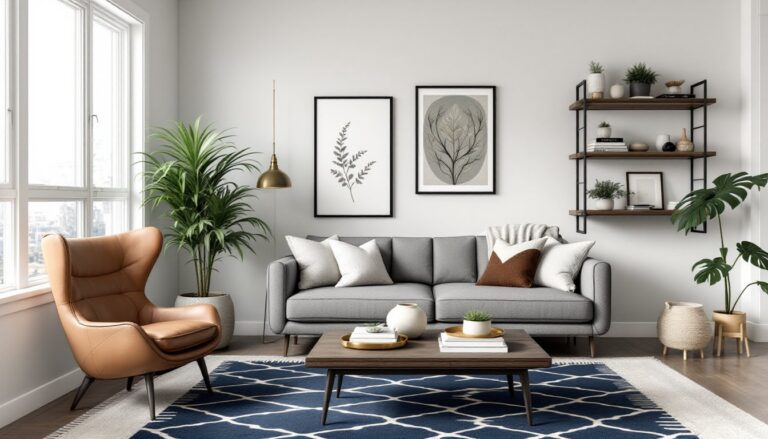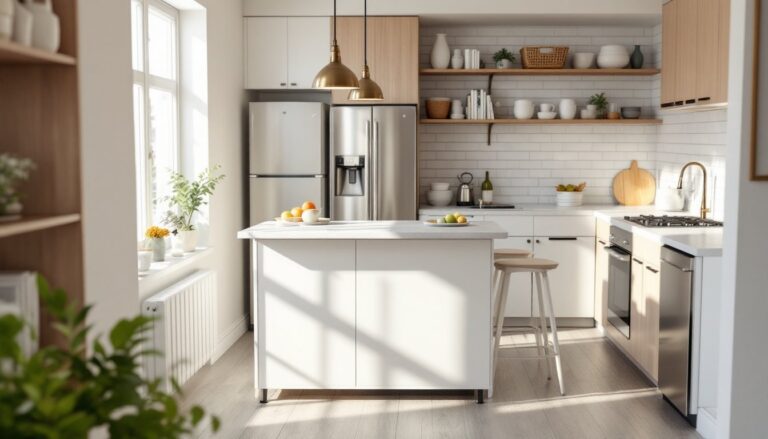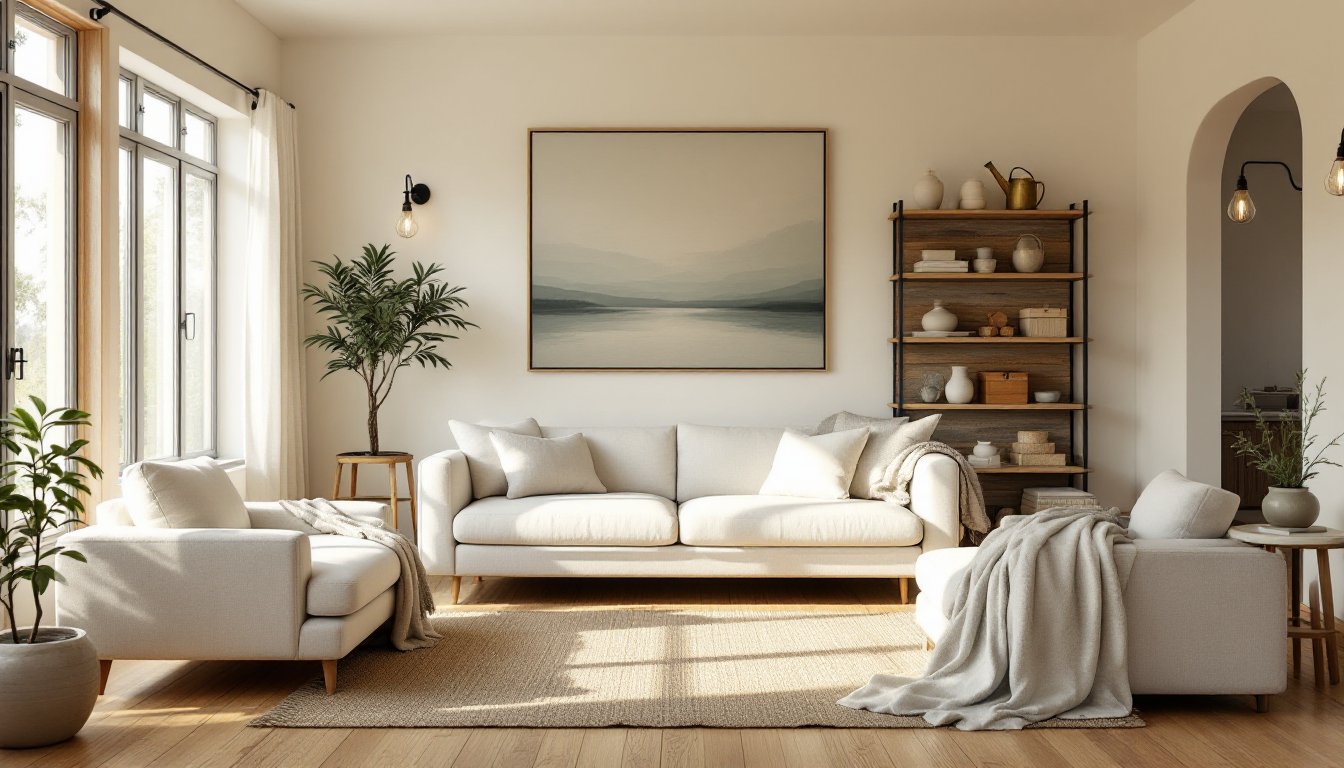
Modern country interior design strikes a balance between two seemingly opposite worlds. It takes the warmth and authenticity of rustic farmhouse aesthetics and pairs them with the clean lines and minimalist sensibility of contemporary design. The result is a home that feels both grounded in tradition and refreshingly current. Whether you’re drawn to this style for its timeless appeal or its practical flexibility, modern country design works well in urban apartments, suburban houses, and rural properties alike. The beauty of this approach lies in its accessibility, you don’t need a sprawling acreage or a six-figure budget to pull it off. This guide walks through the essentials of creating a modern country interior that reflects your lifestyle without feeling forced or overly themed.
Table of Contents
ToggleKey Takeaways
- Modern country interior design balances rustic warmth with clean, minimalist lines, creating a grounded yet contemporary home that works in any setting without requiring a large budget.
- A successful modern country aesthetic relies on restrained use of natural materials like reclaimed wood, stone, and metal as intentional accents rather than overwhelming every surface.
- Ground your color palette in warm neutrals and nature-inspired accents—soft sage, muted blue, and warm rust—that feel lived-in rather than designed or trendy.
- Invest in quality foundational pieces like bed frames and sofas with clean silhouettes and honest materials, then layer in budget-friendly accessories and secondhand finds to maintain cohesion.
- Practical storage solutions, layered lighting, and minimal but meaningful accessories complete modern country design by ensuring your home functions effortlessly while feeling curated and authentic.
Understanding The Modern Country Aesthetic
Core Elements That Define The Style
Modern country design rejects the heavy, ornate approach of traditional farmhouse décor in favor of something lighter and more intentional. The style prioritizes honest materials, exposed wood beams, stone, wrought iron, but uses them sparingly and with purpose. Think reclaimed wood as an accent wall or architectural detail, not overwhelming every surface.
The core of modern country is restraint mixed with warmth. Where traditional country might fill shelves with collectibles and tchotchkes, modern country showcases fewer, higher-quality pieces. A single large-scale landscape painting hangs above a streamlined sofa: vintage farm tools adorn one wall rather than three.
Function matters as much as form. Storage solutions blend in seamlessly, built-in shelving that looks like it’s always been there, open cabinetry that displays useful items rather than purely decorative ones. The goal is a home that works hard and looks effortless, reflecting the principles of modern home interior design while honoring heritage craftsmanship.
Color remains grounded and natural. You’ll see plenty of whites, creams, soft grays, and warm neutrals. These aren’t sterile: they’re the genuine tones of unfinished wood, aged linens, and weathered stone. When accent colors appear, forest green, dusty blue, warm terracotta, they arrive as considered choices, not impulses.
Color Palettes For A Modern Country Home
A modern country color palette starts with a foundation of neutrals: off-whites, warm grays, soft taupes, and natural wood tones. These form the backbone of walls, larger furniture pieces, and major surfaces. The key is choosing neutrals with undertone warmth, avoid stark whites that feel sterile.
Secondary colors appear as accents and come straight from nature: muted greens inspired by sage or eucalyptus, soft blues reminiscent of faded denim, warm browns from coffee and leather. These colors work because they feel lived-in rather than designed. A bedroom painted in soft sage green reads as restful, not trendy. Navy kitchen cabinetry paired with cream walls feels classic, not dated.
For those wanting slightly more personality, consider earthy accent tones: warm rust, dusty gold, or charcoal gray. These show up in textiles, artwork, and smaller furnishings. A rust-colored throw pillow on a neutral sofa, gold-framed mirrors on white walls, or charcoal window shutters instantly establish modern country character without overwhelming a room.
Avoid decorator grays that lean too cool or blues that skew too saturated. Modern country thrives on the authentic tones you’d find in nature, actual stone, real weathered wood, genuine agricultural textiles. Paint samples on your wall and observe them across different times of day before committing. The undertones shift with natural light, and what looks perfect at noon might feel different at dusk.
Furniture And Layout Strategies
Modern country furniture prioritizes clean silhouettes over ornate details. A sofa works best with straight arms and minimal skirt, upholstered in natural linen, canvas, or leather rather than damask or floral prints. The seating should be substantial enough to feel substantial but not oversized or drowning in throw pillows.
Wood pieces, dining tables, beds, dressers, benefit from simple joinery and honest finishes. Reclaimed or distressed wood works, but so does new wood left natural or given a subtle matte finish. Avoid heavily stained pieces that feel dated: instead, let the wood’s natural color and grain become the visual interest.
Layout should feel functional and open. Furniture doesn’t hug walls: instead, seating groups face each other to encourage conversation. Arrange pieces to create natural pathways through rooms, avoiding a cluttered or maze-like flow. For dining areas, modern paired with a mix of coordinating chairs rather than a perfectly matched set.
Storage is critical and should be built-in or modular. Open shelving in kitchens displays everyday dishes and glassware: closed cabinetry handles less attractive items. A mudroom with cubbies and hooks keeps the main living areas clean. Think like a working farmhouse: everything has a purpose and a home, but it doesn’t feel fussy or over-organized.
Incorporating Natural Materials And Textures
Natural materials are the backbone of modern country interiors. Wood appears in flooring, ceiling details, furniture, and exposed beams. Stone shows up in fireplaces, countertops, and as architectural accents. Metal, iron, copper, galvanized steel, appears in light fixtures, hardware, and decorative elements.
Texture layers the space without relying on pattern. Rough-hewn wood contrasts with smooth plaster walls. Linen curtains drape beside galvanized metal hardware. A jute rug anchors a seating area while linen throw blankets add softness. This mix creates visual and tactile interest that feels organic rather than designer-driven.
Reclaimed or salvaged materials work beautifully but require thoughtful sourcing. Genuine old barn wood, antique doors, or vintage hardware carry authenticity that new items mimicking distress cannot match. But, don’t force salvage into every corner, a single focal wall of reclaimed wood or a few vintage pieces mixed with new items feels intentional. Too many reclaimed elements can read as trying too hard.
Natural fibers in textiles, wool, cotton, linen, jute, sisal, replace synthetic blends. These materials age gracefully, developing character over time. A linen sofa will soften and relax with use: wool throws grow richer in color. This is the opposite of décor that looks tired: it looks loved and lived-in. Research specific material options through trusted design resources when selecting pieces for longevity.
Lighting And Accessories To Complete The Look
Lighting in modern country spaces blends practical function with authentic character. Pendant lights with simple shades, glass, linen, or wrought iron, work in kitchens and entryways. Wall sconces with metal frames and exposed bulbs add industrial warmth to bedrooms or hallways. Overhead fixtures should be understated: avoid elaborate chandeliers or overly ornate designs.
Layers matter. Task lighting for functional areas (kitchen islands, desks), ambient light from fixtures or sconces, and accent lighting to highlight artwork or architectural features create depth. Dimmers allow you to adjust the mood throughout the day and evening. Candlelight, real candles, not fragrance-heavy decorative ones, adds warmth and authenticity that no electric fixture fully replicates.
Accessories should be minimal but meaningful. Artwork leans toward landscapes, botanical prints, or abstract pieces with muted colors. Mirrors in simple frames bounce light and expand spaces. Pottery, stoneware, and glassware displayed on open shelves or tables serve a purpose and look intentional. A few coffee table books, a vintage wooden box, a brass watering can, each item earns its place through utility or genuine beauty.
Avoid mass-produced “farmhouse” décor that feels plastic or artificial. Modern country rejects the novelty sign trend and achieves character through authentic materials and honest design. Greenery, live plants in ceramic pots or fresh-cut branches, brings life and movement. A living room designed with modern country principles feels curated without appearing staged.
Practical Tips For Starting Your Modern Country Redesign
Start with what you already own. Assess your existing furniture and determine what fits the modern country aesthetic and what doesn’t. A solid wood dresser in good condition might work with a coat of matte finish: a heavily patterned sofa probably needs replacing. This keeps costs manageable and honors the sustainability aspect of the style.
Begin with one room, typically a bedroom or bathroom, to establish the palette and feel. Paint the walls first, using samples you’ve tested over several days. Then introduce new pieces gradually. Rushing to furnish an entire home at once leads to impulse purchases that compromise the cohesive look.
Invest in foundational pieces: a quality bed, durable seating, a solid table. These deserve your budget. Smaller accessories and décor can come secondhand or from budget-friendly sources without sacrificing quality. A $400 linen-upholstered sofa in a neutral color outlasts a $1,200 trendy couch in a saturated color.
Research inspiration from credible sources. Design platforms like Country that balance modern sensibilities with heritage aesthetics. Collect images that resonate and identify common threads rather than copying a single room exactly.
Measure before buying anything. A reclaimed wood dining table that’s stunning in photos might overwhelm your space. Verify dimensions, ceiling heights, and how natural light flows through your rooms. Modern country thrives on proportion and balance: an oversized piece disrupts that instantly. Consider a second set of hands when moving heavier items or assessing how a piece feels in your space before committing to purchase.