Modern interior design isn’t about cold, sterile rooms or throwing out everything you own. It’s a practical philosophy that marries function with form, creating spaces that work as hard as they look good. Rooted in early 20th-century movements and refined through decades of design evolution, modern interior design emphasizes clean lines, intentional choices, and honest materials. Whether you’re renovating a single room or rethinking your entire home, understanding the core principles of modern design helps you make decisions that feel timeless rather than trendy, and that stick around longer than a season or two.
Table of Contents
ToggleKey Takeaways
- Modern interior design prioritizes functionality and intentional choices, ensuring every piece of furniture and fixture serves a purpose while maintaining clean lines and honest materials.
- A neutral color palette of whites, grays, and warm beiges creates a sophisticated foundation for modern spaces, allowing furnishings and artwork to take center stage without visual distraction.
- Modern interior design relies on open-concept layouts, floating furniture arrangements, and negative space to make rooms feel larger and more serene, avoiding cluttered perimeters.
- Natural light through large windows and minimal window treatments are non-negotiable in modern design, blurring the boundary between indoors and outdoors while maintaining visual clarity.
- Budget-friendly modern design transformations start with paint, decluttering ruthlessly, and investing in quality pieces with clean lines rather than ornate or trendy furniture.
- Minimalist lighting choices such as pendant lights, recessed downlights, and simple floor lamps enhance modern spaces without adding visual clutter or unnecessary ornamentation.
What Defines Modern Interior Design
Key Characteristics of Modern Design
Modern interior design rests on a handful of non-negotiable principles. Functionality comes first, every piece of furniture, every fixture, every decorative object earns its place by serving a purpose. There’s no room for ornament for ornament’s sake. Surfaces are typically flat and unadorned: moldings, if used, are minimal and geometric. Materials expose their true nature: wood looks like wood, metal looks like metal, and glass stays transparent.
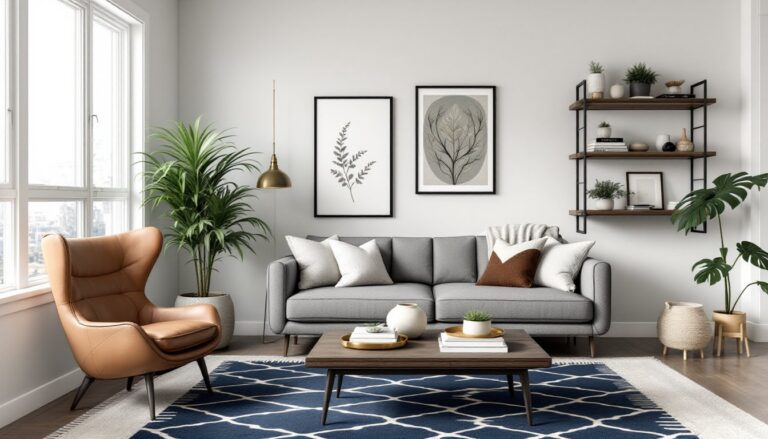
Color in modern spaces tends toward restraint. Walls are often neutral, whites, grays, blacks, or warm beiges, allowing furnishings and artwork to take center stage. The palette feels intentional, not accidental. Proportions matter enormously: furniture typically sits low to the ground, and ceilings feel open and uncluttered. Modern design also welcomes technology without apology, integrating it seamlessly rather than hiding it.
The Importance of Minimalism and Clean Lines
Minimalism is modern design’s closest cousin, though they’re not identical. Where minimalism strips a room to absolute essentials, modern design allows for more personality and comfort. Both, but, prize clean lines above all else. Straight edges, right angles, and geometric shapes create visual clarity and a sense of calm. A modern sofa shouldn’t have chunky rolled arms or tufted backs, instead, expect a streamlined profile with legs that let the floor show beneath it.
This emphasis on clean lines extends to wall treatment, flooring, and architectural details. Baseboards, if present, are thin and unobtrusive. Shelving is often floating and minimalist. The goal is to create visual flow without distraction, allowing the eye to move through a room without catching on extraneous detail. This restraint actually makes spaces feel larger and more serene than they are, which explains much of modern design’s enduring appeal for homeowners managing smaller square footage.
Modern Color Palettes and Materials
A modern color palette typically ranges from pure white through cool and warm grays to deep charcoal or black accents. Within that neutral framework, you might introduce a single accent color, perhaps a muted sage, a soft terracotta, or a cool blue-gray, but it’s usually reserved for a single wall, a textile, or artwork rather than splashed everywhere. This restraint isn’t cold or boring: it’s sophisticated and calming. A neutral color palette approach gives you flexibility to change accessories seasonally without feeling jarring.
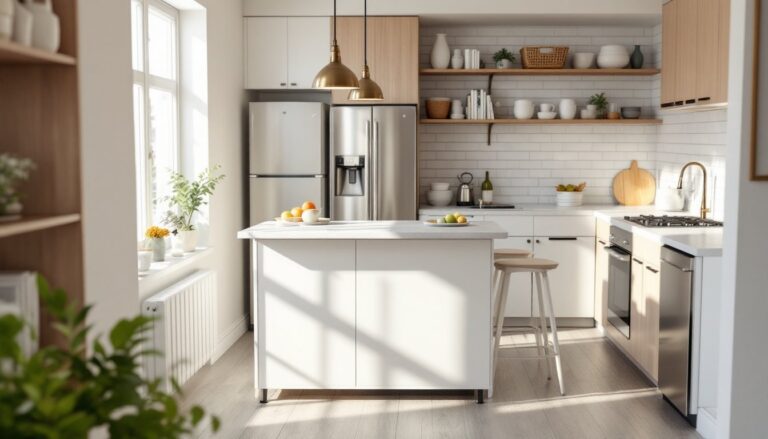
Material choices in modern design favor authenticity and durability. Hardwood flooring (especially in light or medium tones) is a classic choice, though polished concrete, natural stone, or large-format ceramic tile also read as modern. Walls are typically painted flat or matte: glossy finishes feel dated. For cabinetry and built-ins, you’ll see a lot of veneer plywood or solid wood stained in natural tones, or crisp white lacquer. Metal accents, stainless steel, brushed nickel, matte black, provide visual interest without fuss.
Textiles tend toward simple weaves: linen, cotton, wool. Patterns, if any, are geometric and understated rather than floral or ornate. The textures should be touchable and real, not plastic-y or overly synthetic-looking. When sourcing materials, focus on quality over quantity. A few solid, well-made pieces age better and feel more modern than a room stuffed with trendy fast-furniture finds.
Furniture and Layout Principles
Modern furniture prioritizes function, legibility, and proportion. A desk should have clean, tapered legs that reveal the floor beneath, not a clunky base that hides everything. Seating typically features low profiles with arms at or below shoulder height. Legs are always visible: skirted or platform bases feel dated. If you’re furnishing a home office interior design, choose a desk with open storage or a simple pedestal rather than an ornate hutch.
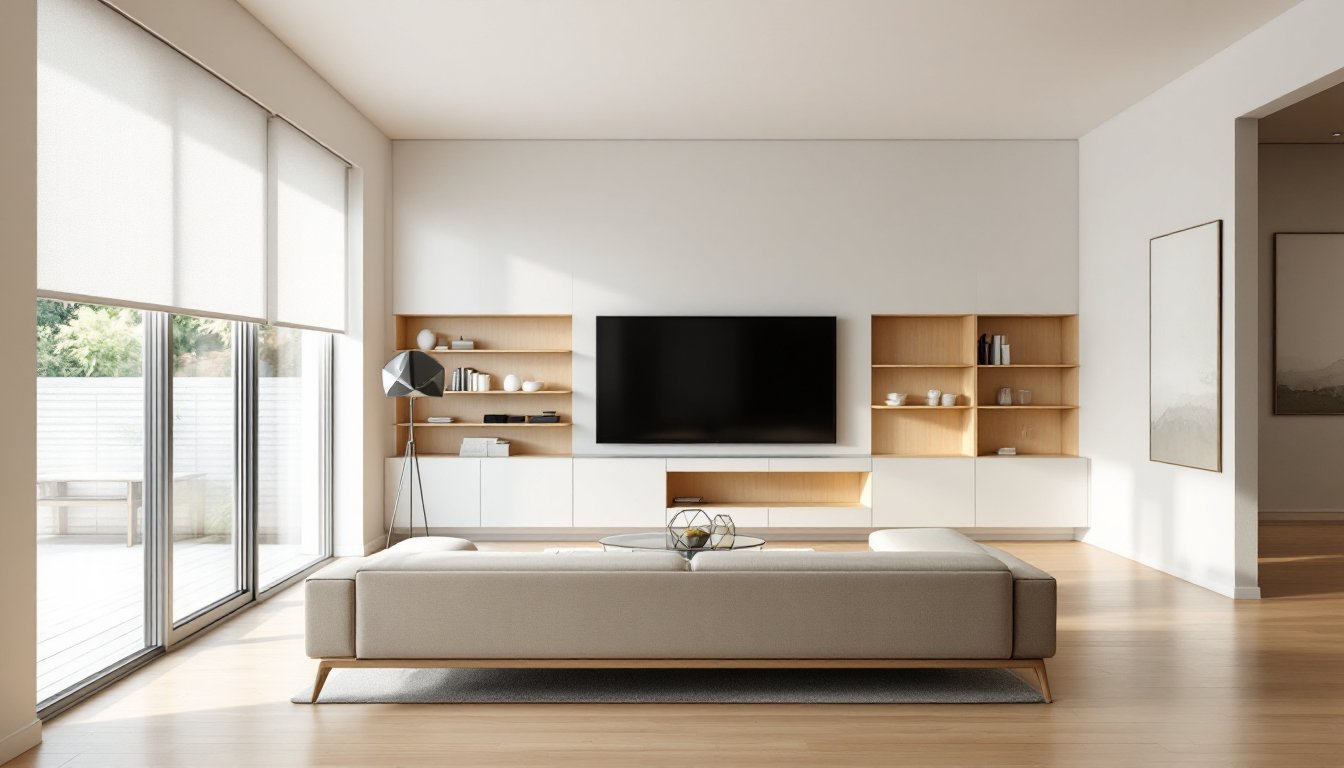
Layout in modern spaces is intentional and open. Furniture doesn’t hug walls: instead, it floats in the room to create conversation areas and define zones. A floating furniture arrangement (sofa perpendicular to a media wall, chairs positioned to face each other) feels more modern than lining everything along the perimeter. Avoid clustering too many pieces: instead, choose a few standout statements and leave breathing room around them. Negative space is part of the design, not wasted real estate.
Storage solutions in modern design are built-in or custom whenever possible. Open shelving is acceptable if kept organized and minimal: closed cabinetry in the same finish as the wall can virtually disappear, creating a seamless, clutter-free appearance. For living room home interior design, a low media console in natural wood or matte lacquer, paired with wall-mounted shelving, is far more on-brand than a traditional entertainment center.
Incorporating Natural Light and Open Spaces
Natural light is non-negotiable in modern design. Large windows, ideally floor-to-ceiling or as close as possible, flood the space with daylight and blur the boundary between indoors and outdoors. Avoid heavy drapes or valances: if you need privacy or light control, choose simple roller shades in white or a neutral tone, or opt for sheer linen curtains hung from a minimalist rod.
Window treatments in modern homes are understated. Motorized blinds, if budget allows, vanish when raised, creating a completely uncluttered window wall. If you’re retrofitting an older home without expansive windows, consider installing new casements or sliders (with minimal framing) to maximize glass area. This often requires new headers and structural work, so consult a licensed contractor before removing load-bearing walls or opening up windows significantly.
Open-concept floor plans align naturally with modern design, but they’re not mandatory. What matters is visual continuity and the absence of unnecessary walls. A dining room interior design that flows seamlessly into the kitchen and living area feels more spacious and modern than isolated, compartmentalized rooms. If you’re planning to remove walls, always verify what you’re dealing with, a structural engineer can confirm whether a wall is load-bearing. Load-bearing walls require a properly sized beam and support posts, not just demolition. This is permit work in most jurisdictions.
Practical DIY Tips for Modern Design on a Budget
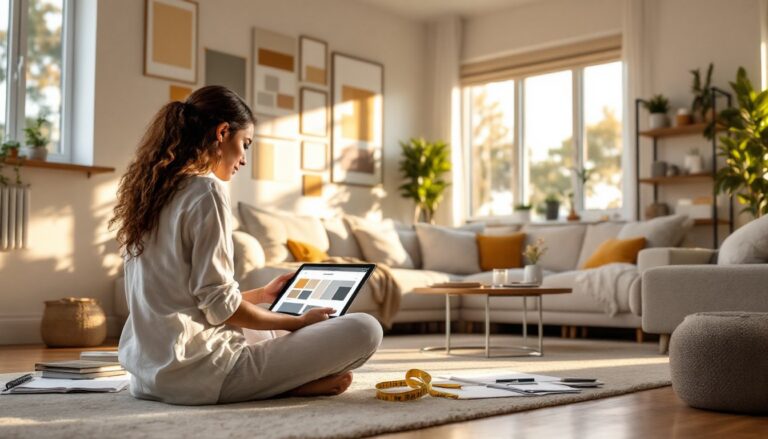
You don’t need to gut your home to embrace modern design. Start with paint: repainting walls in a clean white, light gray, or warm greige immediately refreshes a space and costs less than moving furniture. Use a matte or eggshell finish (avoid glossy): most modern interiors look flat and sophisticated, not shiny. Two coats cover well on most surfaces, and prep work, filling holes, sanding glossy surfaces, priming stains, matters far more than paint brand.
Next, declutter ruthlessly. Modern design thrives on empty surfaces and purposeful objects. Pack away 30% to 50% of your belongings. Keep only what you use or love, and store it out of sight. This single step transforms a room’s energy without spending a dime. When you’re ready to buy, choose pieces with clean lines: a simple wooden coffee table, a low upholstered sofa in a solid color, metal shelving. Avoid anything ornate, overstuffed, or heavily patterned.
Flooring updates make a huge visual impact. If replacing, choose light-to-medium hardwood, concrete, or large-format tile (12×24 inches or larger reads more modern than small tiles). If your budget won’t stretch to full replacement, a good refinishing of existing hardwood or a fresh coat of stain breathes new life. For concrete, an epoxy sealer gives an intentional, polished look. Research local flooring specialists: quality installation matters as much as material selection.
Lighting is where modern design often goes wrong on a budget. Avoid ornate chandeliers or brass fixtures. Instead, choose minimalist pendant lights with clean geometry, recessed downlights, or track lighting. A single statement floor lamp with a simple tripod or cylindrical base adds character without clutter. Layer your lighting: ambient (ceiling fixtures), task (desk or reading lights), and accent (highlighting art). This functional approach also lets you save energy by adjusting as needed.
For modern home interior design, look to platforms like Decoist and Domino for inspiration without overspending. Both showcase affordable pieces alongside high-end options. Finally, focus on interior design ideas that prioritize longevity over trends, neutral walls, quality basics, and restrained color palettes age far better than bold wallpaper or bright accent walls. A modern room should feel just as fresh in five years as it does today. Design publications like Dwell focus on timeless principles that guide thoughtful decisions rather than seasonal fads.