Whether you’re setting up a home office for the first time or redesigning an existing workspace, making the most of a compact footprint requires planning rather than luck. A small office doesn’t have to feel cramped or uninspired, it just needs intentional design choices that balance functionality with aesthetics. The good news? You don’t need a massive budget or professional designer to pull it off. By focusing on smart color choices, multi-functional furniture, and clever storage solutions, you can transform even the tightest corner into a workspace that’s both productive and genuinely pleasant to spend time in. Here’s how to make every square foot count.
Table of Contents
ToggleKey Takeaways
- Creative small office interior design relies on intentional color choices, multi-functional furniture, and vertical storage to maximize a compact footprint without sacrificing productivity or style.
- Layered lighting—combining overhead ambient light, desk lamps, and natural light—prevents shadows and makes small spaces feel larger and more inviting than relying on ceiling lights alone.
- Wall-mounted shelving, corner desks, and furniture with exposed legs that visually ‘float’ create the illusion of more floor space and reduce the cramped feeling in tight quarters.
- Defining separate zones through rugs, lighting, and furniture arrangement helps your brain distinguish between work and relaxation areas, boosting focus even in a single-room office.
- Prioritize meaningful decor and multi-functional pieces over accumulating personal items; choosing one bold accent or a carefully curated selection maintains personality while preventing visual clutter.
- Neutral base colors paired with strategic accent colors or wall treatments reflect light, create visual breathing room, and serve as a timeless foundation for any small office aesthetic.
Choosing the Right Color Palette and Lighting
Color and light are the first two weapons in your small office arsenal. They can make a space feel larger, calmer, or more energized depending on what you choose.
Neutral base colors, soft whites, warm grays, and pale greiges, create visual breathing room and work with almost any accent color you add later. These aren’t boring: they’re strategic. A light base bounces natural light around the room and makes the walls feel further apart than they actually are. If you want more personality, add one accent wall in a deeper or richer tone, or paint built-in shelving to draw focus upward and minimize floor clutter.
Lighting, though, is where most small office owners stumble. Overhead ceiling lights alone cast shadows and create a cave-like feeling in tight spaces. Layer your lighting instead: combine overhead ambient light with a desk lamp that prevents screen glare, and consider adding a small floor lamp or wall-mounted reading light in a corner. Natural light is free and energizing, so maximize window space with sheer curtains or light filtering shades that don’t block the view. If your office lacks windows, warm white LED bulbs (around 2700K color temperature) are easier on the eyes than harsh cool white during long work sessions.
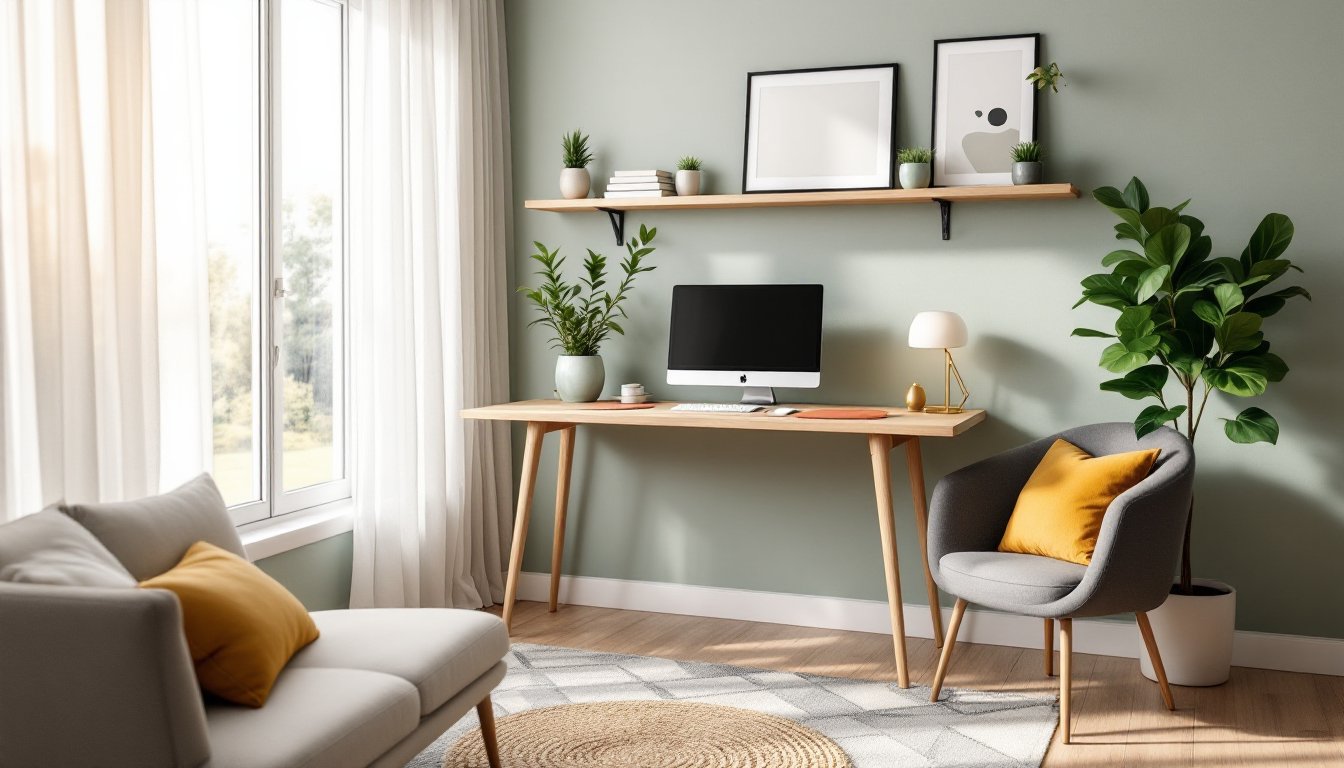
Color psychology matters here too. Soft blues and greens promote focus and calm, while warm tones like terracotta or mustard can energize without overwhelming a small room. Avoid heavy, dark colors that absorb light and can make claustrophobia worse. Apply color strategically, perhaps on trim, a single wall, or in decor accents rather than all four walls.
Space-Saving Furniture Solutions That Don’t Compromise Style
Small spaces demand furniture that earns its place. Bulky, single-purpose pieces are your enemy here. Look for streamlined designs with exposed legs rather than skirted bases, they visually “float” and make the room feel less crowded. Wall-mounted shelving, corner desks, and compact storage units that go vertical rather than horizontal are non-negotiable.
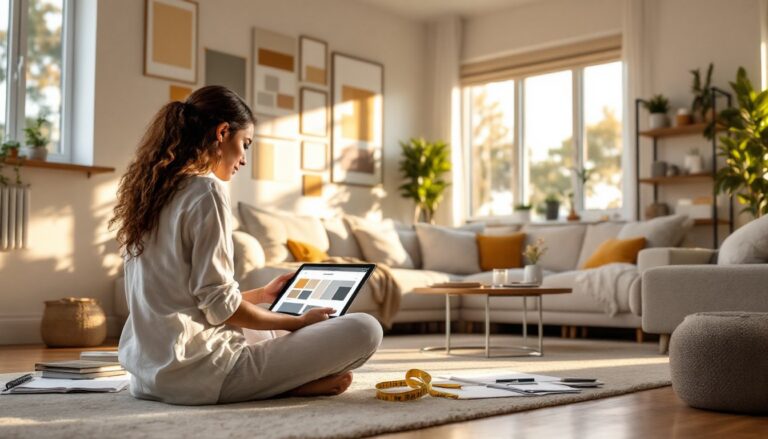
When selecting a desk, measure your actual workspace needs before defaulting to a full 60-inch traditional setup. Many people discover a solid 42- to 48-inch desk is plenty and frees up valuable floor space. Folding or rolling desks offer flexibility if you share the room with other functions.
Upholstered seating should be proportional: a petite accent chair or compact task chair takes up far less visual weight than a standard office chair. If you need client-facing seating, a small loveseat or two armchairs at an angle uses vertical space efficiently.
Multi-Functional Desk and Storage Combinations
Combination pieces are game-changers in small offices. A desk with built-in shelving above or beside it consolidates storage and keeps items within arm’s reach without requiring extra furniture. Shelving units that integrate a workspace into the design maximize every inch.
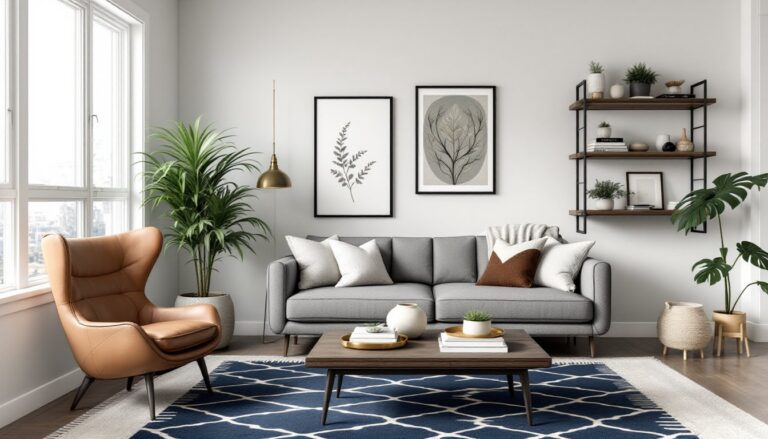
Consider a modern home interior design approach where storage pieces do double duty: a bookcase can display work materials and decor simultaneously. Desk organizers, drawer dividers, and labeled containers keep clutter invisible: when everything has a home, the room feels controlled even if it’s packed.
Otto benches or storage cubes with cushioned tops offer seating that stores supplies underneath. Pull-out desk extensions or fold-down wall-mounted tables expand your work surface only when needed. The key is reversibility, you want to add and remove pieces as your needs change without committing to permanent structural modifications.
Creating Zones in a Compact Office
Even in a small space, defining separate zones makes the room function better. Your brain knows the difference between a “work zone” and a “chill zone,” and that psychological boundary boosts focus.
Use rugs, lighting, or furniture arrangement to carve out distinct areas without walls. A rug under your desk anchors the work zone: if you have a small seating area for breaks or client meetings, place it on a different rug or in a corner with slightly softer lighting. Floating furniture (not pushing it all to walls) creates natural pathways and breaks up the monotony.
Height variation matters too. Desks, shelves at different levels, and varied seating heights keep the eye moving and prevent the “box” feeling. If your office is in a bedroom or living area, strategic placement of a tall bookcase or room divider (even a tension rod with a curtain) signals that the work zone is separate.
Lighting zones reinforce this separation: bright task lighting over the desk, ambient light elsewhere. A small side table next to a chair becomes a “reading zone” with a focused lamp. This psychological compartmentalization makes a small office feel like it has room to breathe.
Wall Decor and Vertical Storage Ideas
Walls are prime real estate in a small office, use them aggressively. Floor space is precious: wall space is abundant. Floor-to-ceiling shelving, wall-mounted cabinets, and pegboards free up the desk and floor for actual work.
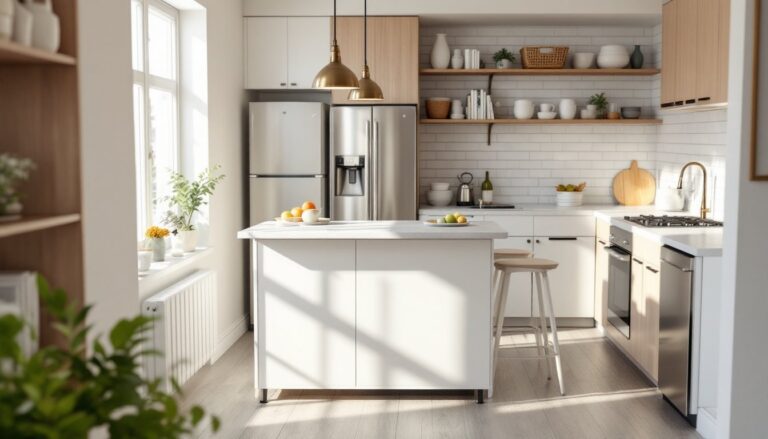
A small space kitchen operates on the same principle: when storage climbs the walls, the floor feels open. Apply that lesson here. Floating shelves are lighter visually than traditional bookcases and can display both functional supplies and curated decor that reflects your personality.
Wall decor itself should be intentional. One or two carefully chosen pieces (an art print, a motivational quote, or a small gallery wall) add character without visual noise. Oversized art on one wall can actually make a small room feel more spacious by creating a focal point. Avoid gallery walls that cover every inch, that reads as chaotic in tight quarters.
Peg boards are underrated. They hold office supplies, documents, or accessories while keeping them visible and accessible. String lights or a simple frame around the pegboard add warmth. Wall-mounted file organizers, magazine holders, and cork boards keep papers vertical and off your desk surface. The rule: if it lives on your desktop taking up real estate, ask whether it can go vertical on a wall instead.
Adding Personality Without Clutter
This is where most small office designs fail. Owners stuff in personal items, photos, plants, and trinkets until the space screams for mercy. There’s a difference between personality and clutter.
Start by choosing a few meaningful items. One plant (or a small cluster) on a shelf or corner brings life without dominating space. A rotating selection of desk accessories keeps things fresh without accumulating. A small shelf dedicated to books you actually reference beats a tower of “decorative” volumes.
Color in accessories makes impact: a bold desk pad, a fun chair cushion, or a vibrant plant pot adds personality through function. Offices on Dwell and similar design sites often feature minimalist spaces with a single bold accent that anchors the entire room’s aesthetic.
Photos deserve a frame but limit yourself: a small framed collection on a shelf or a single 4×6 print on the wall maintains connection to people you care about without creating visual noise. Digital photo frames take up less physical space and let you cycle through memories.
The golden rule: before adding anything new, ask “does this improve how I work or how the space feels?” If the answer is no, it stays in the closet. A living room home interior design might accommodate more decor, but a small office thrives on restraint. Quality beats quantity every time.
Conclusion
Designing a small office boils down to intentional choices about layout, storage, and visual balance. A compact workspace doesn’t limit you, it forces you to be deliberate, which often results in a more functional and pleasant room than sprawling setups. Start with a neutral base and good lighting, invest in multi-functional furniture, and treat vertical space like gold. Build zones, keep walls working for you, and resist the urge to fill every corner. The result is an office that feels spacious, productive, and genuinely yours.